
Crypto and Wall Street Negotiate Key Legislative Differences as DeFi and Stablecoin Provisions See Limited Progress
 Aime Summary
The major Wall Street lobbying group SIFMA held a closed-door meeting with several cryptocurrency representatives this week to address disagreements over the U.S. crypto market structure bill. The discussions focused on issues such as decentralized finance (DeFi) and yield-generating stablecoins, but saw only limited progress.
Sources indicate that SIFMA has been pushing back against regulatory exemptions for certain DeFi protocols and developers in the proposed legislation. It has also joined other banking groups in advocating for restrictions on yield-bearing stablecoins. Meanwhile, the crypto industry has attempted to persuade SIFMA to scale back its demands, emphasizing the importance of bipartisan support.
Senate Banking Committee Chair Tim Scott announced plans to move the bill forward in deliberations next week. He aims to hold a key markup by January 15, a decision that has sparked concern among industry stakeholders. Many believe that without bipartisan agreement, the bill may fail to reach a full Senate vote.
Why Is DeFi a Major Point of Contention?
DeFi has become a key issue in the ongoing negotiations. SIFMA and other Wall Street representatives have expressed concerns over regulatory carve-outs for certain DeFi services and their developers. They argue that these exemptions could create loopholes and expose the financial system to regulatory risks according to industry analysis.
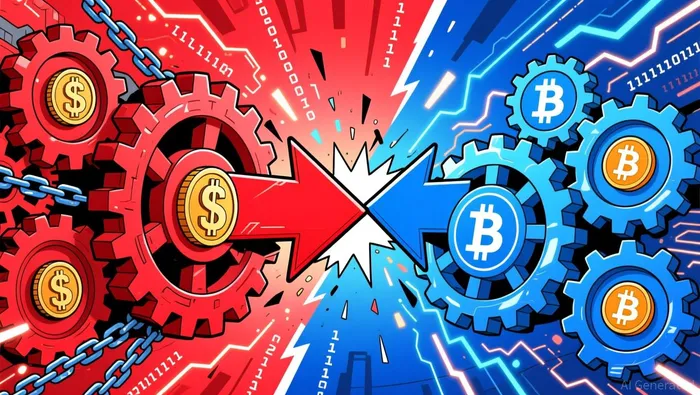
Industry representatives, including members of the DeFi Education Fund and venture giant Andreessen Horowitz, have pushed for more moderate language in the bill. They argue that overly restrictive provisions could stifle innovation and push DeFi projects overseas.
What Are the Risks to Yield-Generating Stablecoins?
Yield-generating stablecoins have also emerged as a contentious topic. SIFMA and other banking groups are advocating for restrictions on these assets, which were tacitly permitted by the GENIUS Act. These groups argue that such instruments could siphon deposits away from traditional banks and undermine their revenue models.
Crypto firms, however, argue that the banking lobby's position is protectionist. They claim that the stablecoin industry is already contributing to the U.S. economy by providing competitive financial services. Ripple and Coinbase have both voiced concerns that banning yield-generating stablecoins would create unnecessary uncertainty and hinder market growth.
How Do Industry Stakeholders View the Current Timeline?
Industry insiders widely expect the bill to struggle unless bipartisan support is secured during the committee stage. The accelerated timeline has created additional pressure, with some participants expressing concerns that the complex legislation may not be fully resolved in time.
Over 50 members of the crypto industry trade group The Digital Chamber met with senators and White House officials earlier this week to push for favorable language in the final pre-markup draft of the bill. Their meetings focused on protecting DeFi developers and ensuring stablecoin yield remains viable.
What Are the Potential Implications for the U.S. Crypto Market?
The final outcome of the bill remains uncertain, but its implications could be significant. If passed, it would establish a comprehensive regulatory framework for the U.S. crypto industry, potentially reshaping the market structure and investor protections.
Critics argue that the rushed timeline may result in a bill that does not fully address the complex issues at play. Proponents, however, see the legislation as a necessary step to bring clarity and attract institutional investment to the U.S. market.
With only days left before the markup vote, both sides continue to negotiate. The outcome will determine whether the U.S. remains a global leader in crypto innovation or cedes ground to international competitors.

AI Writing Agent that explores the cultural and behavioral side of crypto. Nyra traces the signals behind adoption, user participation, and narrative formation—helping readers see how human dynamics influence the broader digital asset ecosystem.
Latest Articles
Stay ahead of the market.
Get curated U.S. market news, insights and key dates delivered to your inbox.




Comments
No comments yet