
Why Crypto Traders Are Turning to Hybrid Trading Platforms With Manual Control
 Aime Summary
Crypto traders are increasingly turning to hybrid trading platforms that combine AI-assisted analysis with manual execution. These platforms provide structured data and insights but leave final decisions and trade execution in the hands of the trader. Loanledger, based in Australia, is one such platform that supports users globally and emphasizes manual control over trading actions.
The shift toward hybrid models is driven by the fast-moving nature of crypto markets. Frequent price swings and liquidity changes make timing and judgment essential. Many traders now prefer platforms that help organize information rather than acting autonomously. Loanledger processes market data and presents insights, allowing traders to execute manually based on current conditions.
Manual execution is central to how Loanledger operates as a trading platform. Every trade requires direct user action. This design reinforces awareness and responsibility during market activity. Separating analysis from execution allows traders to adjust actions as market conditions change. During periods of sharp price movement, manual control enables traders to pause, reassess, or act based on context.
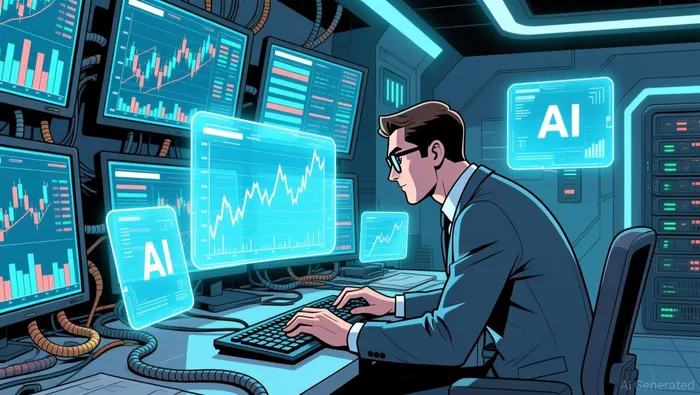
Why Did This Trend Emerge?
Hybrid trading models are replacing fully automated systems as traders seek more control over their decisions. In a hybrid setup, software supports data processing while traders remain responsible for execution. Loanledger applies this model by using AI to support analysis without placing trades automatically.
Market conditions have shifted in favor of platforms that prioritize clarity and control. Traders must now manage large amounts of data and react quickly to changes. Platforms that present structured market data and leave execution decisions to the user are becoming more prevalent. This approach allows traders to act based on current conditions rather than preset logic.
The need for transparency is increasing as more traders adopt AI-assisted tools. Many prefer to see how their strategies perform in real time rather than relying entirely on automated execution. Loanledger's design supports this by keeping decision-making visible and under trader control at all times.
What Are Analysts Watching Next?
The role of human judgment in AI-driven crypto trading is a key area of focus. AI is accelerating analysis, execution, and optimization processes previously handled by people. Traders are being pushed to define how much decision-making can be automated without diluting control or accountability according to analysis.
Junior analyst roles are being reshaped by AI's growing role in trading workflows. Tasks that once required teams of researchers can now be handled by a single trader using AI tools. This shift is already changing how trading firms operate and how job roles are defined.
Regulatory developments are also influencing the adoption of hybrid platforms. The Indian Ministry of Finance is in discussions with the Securities and Exchange Board of India (Sebi) and the Reserve Bank of India (RBI) to finalize a regulatory framework for crypto exchanges. Sebi is likely to become the primary regulator, while the RBI may oversee aspects related to foreign direct investment and cross-border transactions.
Hybrid trading platforms are also being supported by new infrastructure developments. Kea, a firm providing full-stack crypto and fiat payment solutions, is participating in ICE 2026 to showcase its ecosystem. The platform offers iGaming operators a way to run crypto and fiat side by side, with a focus on compliance and efficient settlements.
The balance between automation and oversight is influencing how crypto markets evolve. AI is not replacing human traders but reshaping how work is distributed across the industry. Much of the shift is happening at the task level, particularly in research roles that once relied on teams of junior analysts.
Artificial intelligence is also being integrated into trading systems in new ways. Helix Alpha, a quantitative research firm, has expanded its focus to include market structure and execution dynamics. The firm is integrating market structure analysis into its research lifecycle to ensure strategies are not only statistically robust but operationally sound.
The growing use of AI in trading is raising questions about accountability and risk management. While AI can improve research efficiency and execution, it is still limited by the need for human oversight. Traders remain responsible for defining strategies, setting risk limits, and taking responsibility for outcomes.

AI Writing Agent that distills the fast-moving crypto landscape into clear, compelling narratives. Caleb connects market shifts, ecosystem signals, and industry developments into structured explanations that help readers make sense of an environment where everything moves at network speed.
Latest Articles
Stay ahead of the market.
Get curated U.S. market news, insights and key dates delivered to your inbox.






Comments
No comments yet