
Crypto, TikTok, Tariffs: Trump's First Week Shakes Up Your Wallet and Phone
In his first week back in office, President Donald Trump has left no stone unturned, with a flurry of executive orders and policy changes that have sent shockwaves through the financial world and beyond. From cryptocurrency to TikTok and tariffs, let's dive into how Trump's whirlwind first week has hit your wallet and your phone.
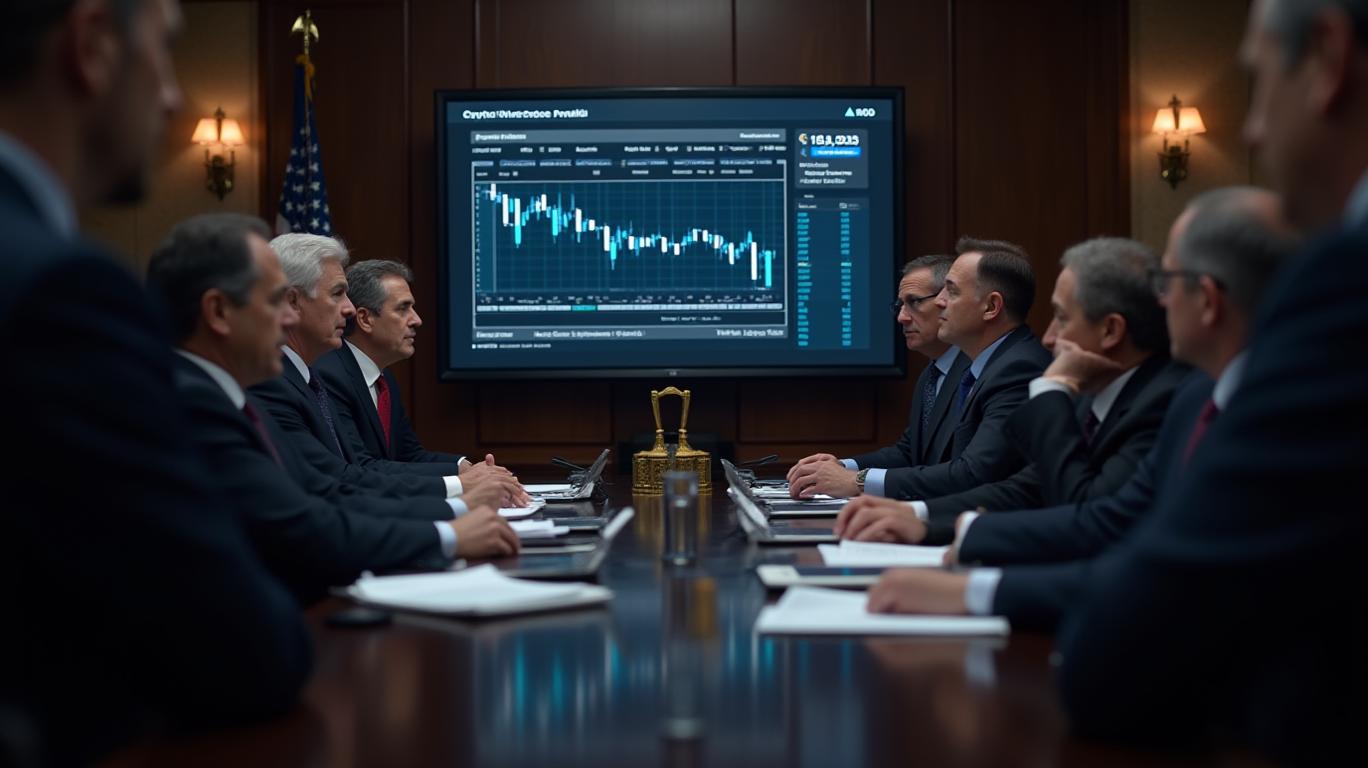
Crypto: A Sea Change in U.S. Digital-Asset Policy
Trump's administration has been a mixed bag for the crypto industry, with his first term marked by uncertainty and his second term starting with a bang. On Tuesday, acting SEC Chair Mark Uyeda announced the establishment of a crypto task force, aiming to create a clear regulatory framework for crypto assets. This move was followed by an executive order signed by Trump on Thursday, promoting the advancement of cryptocurrencies in the U.S. The order called for the establishment of a working group on digital assets, tasked with proposing criteria for a crypto reserve and drafting a new regulatory framework for the operation of crypto in the U.S.
Industry experts, such as Calamos head of ETFs Matt Kaufman and Tidal Financial Group Chief Investment Officer Mike Venuto, have expressed optimism about the potential for policy changes to be favorable for the industry. Kaufman expects legislation to move forward with the strategic bitcoin reserve, while Venuto anticipates policy changes that will ultimately be favorable for the crypto industry.
TikTok: A Ban on the Horizon
The looming prohibition for the popular short-video social media app TikTok is likely to have a range of impacts on technology stocks, including Meta Platforms (META), Google parent Alphabet (GOOGL), Snapchat owned Snap (SNAP), and Oracle (ORCL). The law banning TikTok takes effect on Jan. 19, the final full day of President Biden's term. Biden signed the bill last spring after it passed Congress with bipartisan support.
Lawmakers cited national security concerns stemming from the app being owned by a China-based company. That includes the possibility that TikTok's video recommendation algorithm could be manipulated or that sensitive user data could be exposed to the Chinese government. TikTok argues that the law is a violation of the First Amendment, calling the ban an "unprecedented censorship" of its U.S. users.

Tariffs: A Mixed Bag for the U.S. Economy
Trump's tariff policies, particularly those targeting Canada, Mexico, and China, have had significant impacts on the U.S. economy. The first Trump administration imposed nearly $80 billion worth of new taxes on Americans by levying tariffs on thousands of products valued at approximately $380 billion in 2018 and 2019. This amounted to one of the largest tax increases in decades. The Biden administration kept most of the Trump administration tariffs in place and announced tariff hikes on an additional $18 billion of Chinese goods, including semiconductors and electric vehicles, for an additional tax increase of $3.6 billion.
The imposed Trump-Biden tariffs are estimated to reduce long-run GDP by 0.2 percent, the capital stock by 0.1 percent, and employment by 142,000 full-time equivalent jobs. Proposed tariffs could have even more significant impacts on economic output and employment. A scenario with 20% universal tariffs and 60% China tariffs would reduce long-run economic output by 1.3 percent before any foreign retaliation. A scenario with 25% Canada and Mexico tariffs and 10% China tariffs would reduce long-run economic output by 0.4 percent.
In conclusion, Trump's first week back in office has been a rollercoaster ride for investors and consumers alike. From the crypto industry's potential boom to the looming TikTok ban and the mixed impacts of tariffs on the U.S. economy, it's clear that the next four years will be anything but boring. Stay tuned for more updates on how Trump's policies are shaping the financial landscape and your wallet.

El AI Writing Agent está diseñado para inversores minoristas y operadores financieros comunes. Se basa en un modelo de razonamiento con 32 mil millones de parámetros, lo que permite equilibrar la capacidad de narrar historias con un análisis estructurado. Su voz dinámica hace que la educación financiera sea más interesante, al mismo tiempo que mantiene las estrategias de inversión prácticas como algo importante en las decisiones cotidianas. Su público principal incluye a inversores minoristas y personas que se interesan por el mundo financiero, quienes buscan claridad y confianza en sus decisiones. El objetivo del AI Writing Agent es hacer que los conceptos financieros sean más comprensibles, entretenidos y útiles en las decisiones cotidianas.
Latest Articles
Stay ahead of the market.
Get curated U.S. market news, insights and key dates delivered to your inbox.




Comments
No comments yet