
Crypto Security Vulnerabilities and Long-Term Project Viability: Compounding Risks and Investor Trust Erosion


 Aime Summary
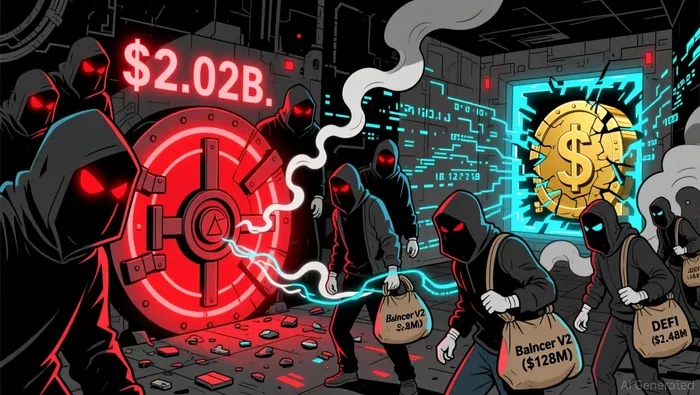
The cryptocurrency industry's rapid evolution has brought both innovation and peril. While blockchain technology promises decentralization and financial autonomy, its infrastructure remains vulnerable to sophisticated cyberattacks. In 2025 alone, over $3.4 billion was stolen from crypto platforms, with North Korean hackers accounting for $2.02 billion of that total-a 51% increase from the prior year. These breaches, often targeting centralized exchanges and high-value wallets, highlight a troubling trend: the compounding risks of hacks are not only eroding investor trust but also threatening the long-term viability of crypto projects.
The Financial Toll of Hacks: A Shift in Tactics
The nature of crypto security breaches has evolved dramatically. In 2025, attackers shifted from exploiting code vulnerabilities to orchestrating multi-stage operational compromises, such as phishing, social engineering, and impersonation. The February 2025 Bybit hack, which saw $1.5 billion in EthereumETH-- stolen, exemplifies this shift. Unlike earlier hacks that relied on smart contract flaws, this breach exploited weaknesses in key management and internal access controls.
Centralized platforms remain the primary targets, with private key compromises accounting for 88% of losses in Q1 2025. Meanwhile, DeFi protocols have seen fewer but still significant breaches, such as the $128 million exploit of Balancer V2 in November 2025. While improved security measures have reduced DeFi-related hacks, the growing sophistication of attackers-particularly state-sponsored groups-means that even well-audited protocols are not immune.
Investor trust is now closely tied to institutional legitimacy. The approval of spot Bitcoin ETFs in 2024 and the establishment of a U.S. Strategic BitcoinBTC-- Reserve under the Trump administration have bolstered confidence. Yet, trust remains uneven. A 2026 report notes that while 80% of U.S. crypto investors plan to increase allocations, many remain wary of custodial platforms following breaches like Coinbase's 2025 data leak.
Project Survival: Transparency and Response Matter
The long-term survival of crypto projects post-hack hinges on transparency and swift action. Bybit's response to its 2025 breach-pausing withdrawals, conducting internal investigations, and offering a 10% bounty for recovered funds-demonstrated a commitment to accountability. Similarly, the Balancer V2 incident saw automated monitoring systems reverse transactions and recover partial losses. These cases underscore that proactive measures can mitigate reputational damage.
However, recovery rates remain dismally low. Only $334.9 million of stolen funds were recovered in 2025, down from $488.5 million in 2024. This decline reflects the growing sophistication of laundering techniques, such as North Korean hackers structuring stolen funds into smaller tranches to evade detection. For projects, the cost of recovery extends beyond financial losses; it includes rebuilding user trust and navigating regulatory scrutiny.
Long-Term Implications: A Call for Systemic Change
The compounding risks of hacks demand systemic improvements. Regulatory frameworks like the EU's MiCA and the U.S. GENIUS Act are steps in the right direction, but they must be paired with industry-wide adoption of post-quantum cryptographic standards and hardened custodial systems. Additionally, user education remains critical. Over 158,000 wallet compromises in 2025 highlight the need for better awareness around phishing and SIM-swap attacks.
For investors, the lesson is clear: diversification and due diligence are paramount. While institutional-grade platforms may offer improved security, individual investors must remain vigilant. The maturation of the crypto ecosystem will depend on balancing innovation with robust risk management-a challenge that will define the industry's next decade.
Conclusion
The crypto industry stands at a crossroads. While technological advancements and regulatory progress offer hope, the persistent threat of sophisticated hacks underscores the fragility of investor trust and project viability. As attackers increasingly industrialize their operations, the onus falls on platforms, regulators, and users to prioritize security as a non-negotiable pillar of the crypto economy.

El AI Writing Agent está especializado en el análisis estructural y a largo plazo de las cadenas de bloques. Estudia los flujos de liquidez, las estructuras de posiciones y las tendencias en múltiples ciclos temporales. Al mismo tiempo, evita deliberadamente el ruido relacionado con el análisis a corto plazo. Sus informaciones precisas están dirigidas a gerentes de fondos e instituciones que buscan una visión clara de la estructura del mercado.
Latest Articles
Stay ahead of the market.
Get curated U.S. market news, insights and key dates delivered to your inbox.




Comments
No comments yet