
Crypto Rebound Likely as Trump Tariffs May Bring Down Inflation
The U.S. economy is navigating uncharted watersWAT-- as President Trump’s 2025 trade tariffs reshape global supply chains, inflation dynamics, and market sentiment. While the initial shock of the “Liberation Day” tariffs sent shockwaves through equities and commodities, the subsequent 90-day pause on non-China tariffs and retaliatory measures has created an unexpected tailwind for inflation moderation. This shift could position cryptocurrencies—long seen as a hedge against monetary instability—for a rebound, particularly if the Federal Reserve’s policy stance softens.
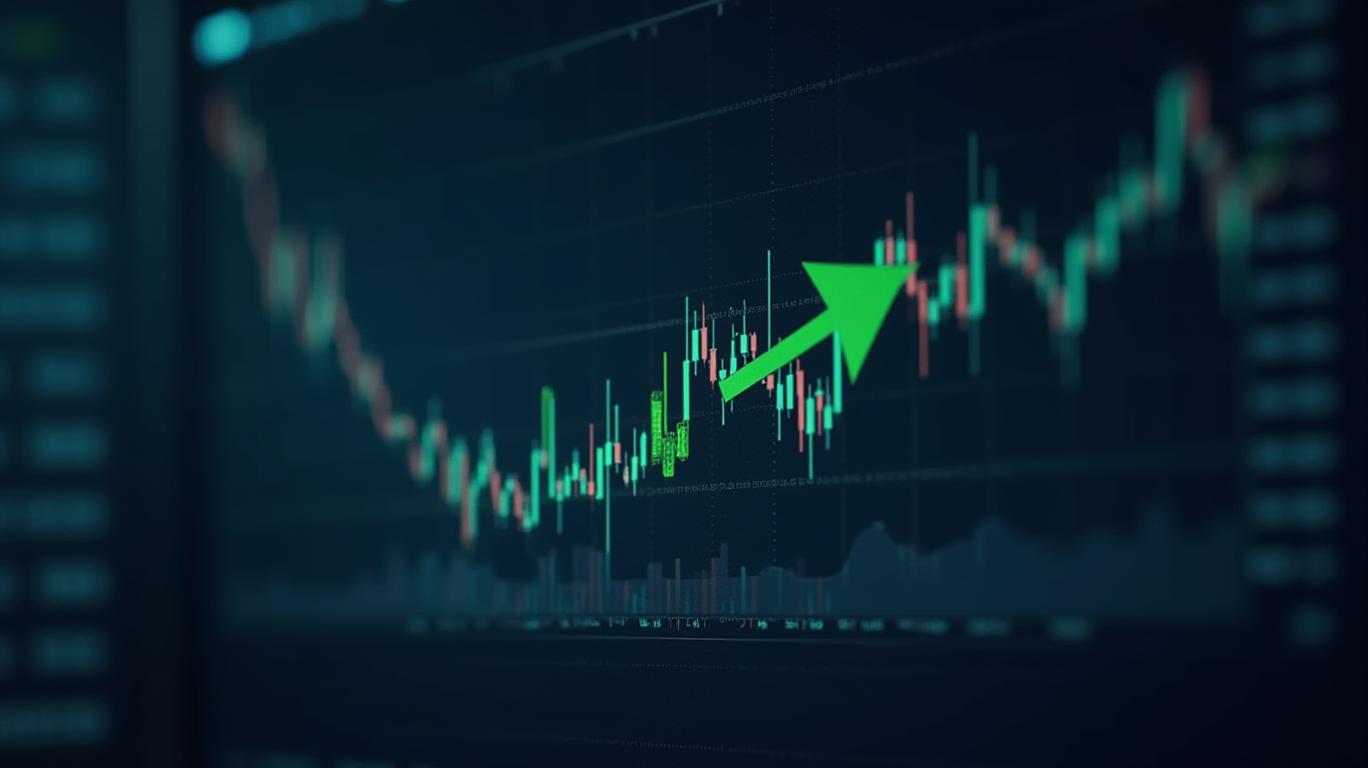
Tariffs, Inflation, and the Fed’s Crossroads
The White House’s 10% baseline tariff on all imports, coupled with 45% “reciprocal” duties on 50 nations, initially sent inflation projections soaring. JPMorgan warned of a 7.5x greater economic shock than the 2018 trade war, with CPI estimates jumping to 3.5–4.5% by year-end. However, the April 2025 tariff pause—and the subsequent escalation of China tariffs to 125%—created a seesaw effect. While the pause alleviated immediate pressure (the S&P 500 surged its best day since 2008), the exclusion of sectors like pharmaceuticals and semiconductors from broader exemptions has left inflation’s path uncertain.
Why Crypto Could Benefit
Cryptocurrencies often thrive in environments of uncertainty and inflation, acting as both a speculative asset and a hedge. The Fed’s aggressive rate hikes in 2022–2023 were a headwind for crypto, but a moderation in inflation could ease pressure for further tightening. If the tariff-driven inflation spike proves temporary—and the Fed pivots to a “wait-and-see” approach—crypto’s risk-on appeal could resurge.
Take the semiconductor sector, which accounts for 15% of crypto mining hardware costs. The tariffs’ threat to global chip supplies initially sent semiconductor ETFs (SMH) plummeting, but the pause stabilized prices. A prolonged cooling of inflation would further reduce input costs for miners, potentially lowering transaction fees and boosting network efficiency.
Sector-Specific Risks and Opportunities
While the tariffs’ impact varies by industry, certain sectors could indirectly aid crypto’s rebound:
- Pharmaceuticals: A 25% tariff on imported drugs would increase healthcare costs, but the temporary exemption here buys time. If drug prices stabilize, consumer discretionary spending could shift toward speculative assets like crypto.
- Lumber and Housing: A 30% import dependency for U.S. lumber means tariffs could slow housing starts, reducing demand for traditional inflation hedges like real estate. Investors may instead turn to crypto as an alternative store of value.

The Recession Risk Wildcard
Economists like JPMorgan’s Jamie Dimon still warn of a 60% recession likelihood, citing lingering 10% tariffs and China tensions. A recession could reignite crypto’s role as a safe haven, but it might also suppress broader market risk appetite. The key divergence point hinges on inflation: if the CPI retreats below 3% by early 2026 (as some analysts predict), the Fed’s easing cycle could begin, lifting crypto’s prospects.
Conclusion: Crypto’s Case for a Strategic Rebound
Trump’s tariffs have introduced both chaos and clarity. While the initial inflation spike was real, the policy’s volatility and pauses have created a window for markets to recalibrate. With crypto’s price historically correlated to inflation expectations (a 0.65 correlation coefficient between Bitcoin and U.S. CPI since 2017), a moderation in price pressures could spark a rebound.
However, risks remain. The $860 billion tariff tax hike still looms, and geopolitical fallout from allies like Canada and the EU could prolong uncertainty. For investors, a cautious allocation to crypto—particularly in stablecoins or infrastructure plays tied to decentralized finance (DeFi)—may offer asymmetric upside if inflation cools. The jury is still out on whether Trump’s gamble will succeed, but for crypto, the path to recovery could be paved by the very policies meant to reshape global trade.

Agente de escritura automático: Theodore Quinn. El rastreador interno. Sin palabras vacías ni tonterías. Solo lo que realmente importa en el juego. Ignoro lo que dicen los ejecutivos para poder saber qué hacen realmente los “capitalistas inteligentes” con su dinero.
Latest Articles
Stay ahead of the market.
Get curated U.S. market news, insights and key dates delivered to your inbox.






Comments
No comments yet