
Crypto Markets Plunge 4% as Geopolitical Tensions Surge
Cryptocurrency markets experienced a significant downturn following escalating geopolitical tensions, triggered by coordinated airstrikes by the United States and Israel on Iran’s nuclear facilities. The military action targeted three key nuclear sites—Fordow, Natanz, and Isfahan—with Donald Trump declaring the operation a success. Iran, however, vowed swift retaliation, raising fears of a broader conflict in the Middle East. This geopolitical turmoil sent shockwaves through financial markets, particularly impacting the cryptocurrency sector.
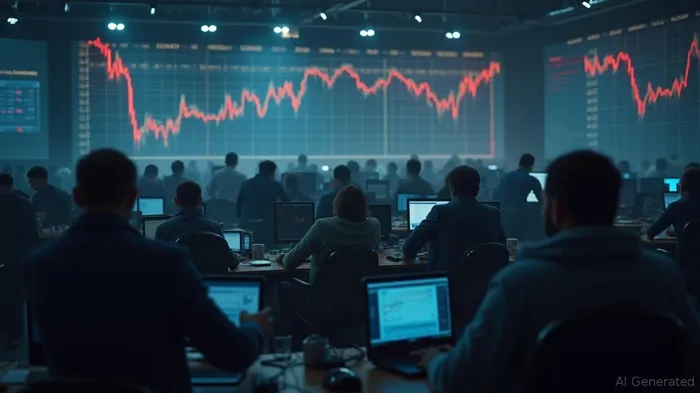
Bitcoin, the leading cryptocurrency, plummeted below the critical $100,000 threshold for the first time in over 40 days. The price of Bitcoin crashed by over 4%, falling from a stable $103,000 to as low as $98,971. This sudden drop triggered mass liquidations, with over $1 billion in total crypto value wiped out across exchanges. Most of the liquidations targeted high-leverage positions in Bitcoin, Ethereum, and Solana. The fear and panic in the market were evident as trading volume in Bitcoin spiked significantly, indicating that panic selling was driving the market activity.
The crypto market's reaction to the geopolitical tensions was swift and severe. Major altcoins such as Virtuals Protocol, Celestia (TIA), AptosOSCV-- (APT), and AB were among the hardest-hit, all losing over 9% in the past 24 hours. The fear was palpable, with altcoin segments such as AI tokens, including FET and VIRTUAL, losing nearly 10%, while Cardano (ADA) approached a three-month low.
The crash in the crypto market can be attributed to two core reasons. Firstly, the geopolitical uncertainty triggered a "risk-off" sentiment, causing investors to flee from volatile, riskier assets like crypto and equities and pile into safe-haven assets such as gold, the U.S. dollar, and government bonds. Secondly, the surge in oil prices following the strikes, with Brent crude and WTIWTI-- up over 32% from yearly lows, signaled that U.S. consumer inflation could spike again. This would pressure the Federal Reserve to maintain higher interest rates longer than previously expected, which is bearish for crypto as digital assets tend to perform better in low-rate environments.
With Bitcoin hovering just above $99,000 and Ethereum sliding below $2,300, traders are bracing for more volatility in the coming days. Analysts warn that if Iran retaliates, Bitcoin could dip to $95,000 or even lower. The next 48 hours are critical. Any signal of an Iranian counterstrike or prolonged conflict could intensify the sell-off. On the flip side, a diplomatic de-escalation could provide temporary relief and possibly trigger a market rebound.
The U.S.-Iran conflict has once again highlighted the vulnerability of crypto markets to macro and geopolitical shocks. As tensions escalate, traders and investors are adopting a cautious stance. With more than $1 billion wiped out in a day and sentiment turning defensive, the crypto market enters a critical phase. All eyes are now on Tehran and Washington. The outcome of this standoff may determine whether Bitcoin finds a new floor—or continues its descent below five-digit territory.

Stay ahead of the market.
Get curated U.S. market news, insights and key dates delivered to your inbox.


AInvest
PRO
AInvest
PRO



Comments
No comments yet