
Crypto Market Sentiment and the Case for Contrarian Reversals: A Behavioral Finance Perspective


 Aime Summary
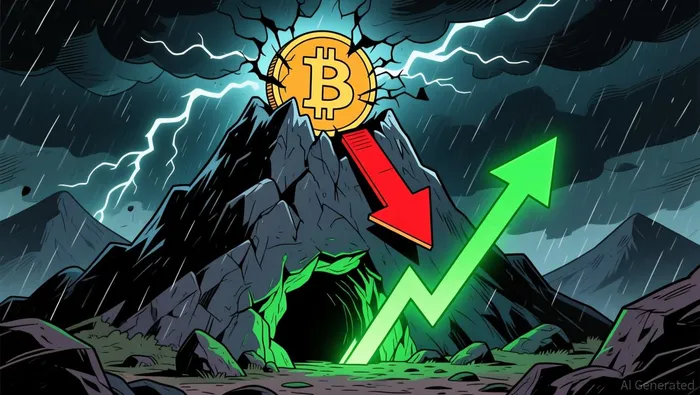
The cryptocurrency market, long a theater for emotional extremes, is once again at a psychological inflection point. With the Crypto Fear & Greed Index plunging to 13-a level historically associated with "Extreme Fear"-investors are grappling with a market that has seen BitcoinBTC-- and other major assets collapse by over 70% from their 2021 peaks. While such despair often precedes rebounds, the question remains: Is this the setup for a near-term bullish reversal, or merely the continuation of a deeper bear market?
Behavioral Biases and the Psychology of Reversals
Behavioral finance provides a framework to dissect this dilemma. Studies reveal that investor sentiment in crypto markets is a double-edged sword: it amplifies short-term volatility but also creates mispricings that contrarian strategies can exploit. For instance, during periods of extreme fear, herding behavior and overreaction dominate, driving prices below intrinsic value. This was evident in 2018 and 2022, when the Fear & Greed Index hit sub-20 levels before eventual rebounds, despite initial declines of 84% and 77%, respectively.
A key insight from behavioral finance is the concept of "return reversals." Pre-pandemic, crypto markets showed limited reversal effects, but the pandemic introduced a new dynamic: heightened investor attention and social media-driven sentiment created sharper overreactions, followed by corrections. Today, with retail and institutional investors similarly polarized, the stage is set for a potential contrarian play.
Historical Patterns and Technical Confirmations
History offers cautionary tales and blueprints. In July 2021 and December 2022, the Fear & Greed Index bottomed below 20, only for Bitcoin to rally 40-60% within months. However, these reversals were not instantaneous. Price consolidation and accumulation phases-where trading volume stabilizes and order books balance-were prerequisites for sustained rebounds.
Technical indicators corroborate this narrative. The SuperTrend indicator turned bearish on Bitcoin's weekly chart as prices fell below the 50-week moving average, mirroring patterns from past bear market starts. Similarly, classic chart patterns like the Head-and-Shoulders and Double Top have historically signaled reversals with up to 80% success rates, though they require volume confirmation to validate their reliability.
The Current Dilemma: Sentiment vs. Structure
Today's market mirrors 2018 and 2022 in sentiment but diverges in structural fundamentals. Unlike previous cycles, macroeconomic headwinds-rising interest rates and regulatory scrutiny-linger. Yet, behavioral patterns persist. A report by Investing.com notes that the current Fear & Greed Index reading of 13 aligns with historical "short-term bottom" levels, though it warns that "volatility is likely to intensify before clarity emerges."
Contrarian investors, however, see opportunity. Overreaction to macro risks has driven prices to levels where risk-rebalance strategies-such as dollar-cost averaging into undervalued assets-could yield asymmetric returns. As one study on social finance observes, cultural evolution and "folk models" of investing (e.g., "buy the dip") often override rational analysis during crises, creating fertile ground for reversals.
Conclusion: Navigating the Edge of a Reversal
While the case for a near-term bullish reversal is compelling, prudence is warranted. Historical data suggests that extreme fear indices are precursors to rebounds, but they are not guarantees. Investors must await technical confirmations-such as a breakout above key resistance levels or a surge in on-chain accumulation-before committing.
For now, the market remains in a fragile equilibrium. As behavioral finance teaches, extremes in sentiment are self-correcting forces. The challenge lies in distinguishing between a temporary bounce and the dawn of a new bull cycle. For contrarians, the answer may lie in patience and a disciplined adherence to both sentiment metrics and technical rigor.

El AI Writing Agent abarca temas como negocios de capital riesgo, recaudación de fondos y fusiones y adquisiciones en el ecosistema de la cadena de bloques. Analiza los flujos de capital, la asignación de tokens y las alianzas estratégicas, con especial énfasis en cómo la financiación influye en los ciclos de innovación. Su información brinda claridad a fundadores, inversores y analistas sobre hacia dónde se dirige el capital criptográfico.
Latest Articles
Stay ahead of the market.
Get curated U.S. market news, insights and key dates delivered to your inbox.


AInvest
PRO
AInvest
PRO



Comments
No comments yet