
Crypto Market Correction: Assessing the Depth and Implications of the December 2025 Sell-Off


 Aime Summary
Macroeconomic Triggers and Market Sentiment
The collapse was precipitated by a confluence of macroeconomic signals. The Bank of Japan's hints at a December rate hike and the weakening yen created a risk-off environment, while the Federal Reserve's prolonged tightening cycle and delayed rate-cut expectations exacerbated bearish momentum. These factors, triggered cascading liquidations. Analysts emphasize that the crypto market's sensitivity to liquidity conditions and central bank policies has intensified as institutional adoption grows.
Investor Psychology: Panic, Herd Behavior, and Fear Metrics
The sell-off exposed deep fissures in investor psychology. The Fear & Greed Index, a widely tracked sentiment indicator, , reflecting widespread anxiety. Panic selling and herd mentality amplified the downturn, particularly among retail traders leveraging margin accounts. However, institutional investors demonstrated resilience, with ETF inflows continuing to support the market. This divergence highlights a maturing ecosystem where long-term holders and institutional players increasingly counterbalance short-term retail volatility.
Institutional Risk Management: Hedging, Position Sizing, and Diversification
Institutional participants navigated the turmoil through disciplined risk management strategies. Advanced hedging techniques, such as options-based protective positions, and liquidity-responsive asset allocation helped mitigate exposure. For instance, Fleet Asset Management Group (FLAMGP) deployed an AI-driven system (FAMG 3.0) to automate stop-loss protocols and monitor volatility in real time. Additionally, tokenized real-world assets (RWAs) provided stable yield opportunities, reducing reliance on speculative crypto tokens. These practices underscore a shift toward risk-adjusted returns and diversified portfolios, even as regulatory clarity remains a work in progress.
Systemic Risks and the Role of DeFi
The correction was further compounded by a $9 million DeFi exploit targeting a yield-bearing EthereumETH-- pool, exposing vulnerabilities in composability. While this incident accelerated selling, it also highlighted the need for robust smart-contract audits and contingency planning. Institutional investors, however, appear less susceptible to such shocks, leveraging their capital buffers and compliance frameworks to weather volatility.
Implications for 2026: Cyclical Reset or Structural Shift? 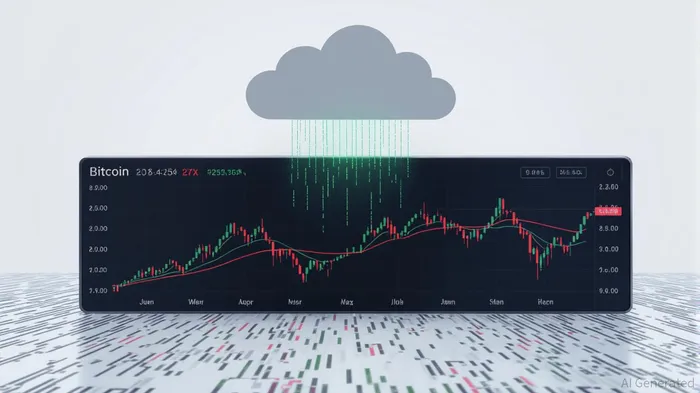
Experts argue that the December 2025 selloff represents a cyclical correction rather than a structural breakdown. On-chain data suggests profit-taking rather than panic-driven liquidations, and Bitcoin's long-term fundamentals-rising adoption, institutional interest, and monetary expansion-remain intact. For 2026, the market is expected to remain range-bound, with volatility tied to macroeconomic developments, regulatory updates, and geopolitical dynamics. Strategic positioning will hinge on macroeconomic easing, risk appetite stabilization, and continued institutional inflows.
Conclusion
The December 2025 correction serves as a stark reminder of crypto's dual nature: a high-risk, high-reward asset class that demands rigorous risk management and psychological discipline. While macroeconomic headwinds and systemic risks persist, the growing maturity of institutional practices and the maturation of the market structure offer a counterbalance. For investors, the key takeaway is clear: navigating volatility requires not only technical expertise but also an acute awareness of behavioral biases and macroeconomic currents.

Delivering real-time insights and analysis on emerging financial trends and market movements.
Latest Articles
Stay ahead of the market.
Get curated U.S. market news, insights and key dates delivered to your inbox.






Comments
No comments yet