
Crypto Legislation Stalls as Lawmakers Clash Over Amendments
 Aime Summary
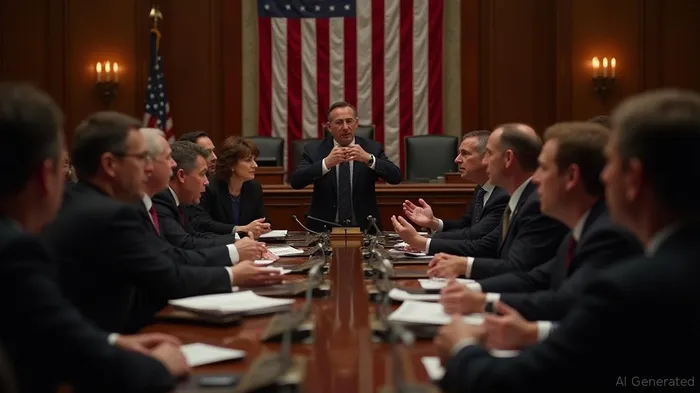
On the fourth day of Crypto Week, US lawmakers in the House of Representatives found themselves at an impasse, with Democratic and Republican parties divided on key cryptocurrency legislation. The anticipated votes on the Clarity Act, the GENIUS stablecoin bill, and the Anti-CBDC Surveillance State Act were delayed due to political disagreements, particularly over amendments that proposed barring government officials from trading cryptocurrencies.
The debates centered around consumer protections, anti-money laundering provisions, the development of a central bank digital currency, banking protections, and preventing conflicts of interest within the executive branch. Representative French Hill emphasized the importance of the GENIUS stablecoin bill, stating that it ensures American competitiveness and includes robust consumer protections and anti-money laundering provisions.
Democratic Representative Maxine Waters, however, criticized the bills for not addressing conflicts of interest regarding the involvement of the President's family in the crypto sector. She argued that the bills do not sufficiently prevent the executive branch from issuing, endorsing, and promoting cryptocurrencies, which has become a major concern for Democratic lawmakers. This loss of Democratic support could potentially threaten the passage of the bills or force concessions unfavorable to the crypto industry.
In addition to the executive branch's involvement, national security and financial stability were also debated. Waters highlighted that some stablecoin reserves are uninsured deposits, which could destabilize the financial system and lead to a bank run, ultimately burdening US taxpayers with the cost of bailing out institutions.
The negotiations, dubbed "crypto week" by Republican lawmakers, faced unexpected hurdles due to internal divisions among House Republicans. President Donald Trump intervened, meeting with skeptics at the White House to try to salvage the initiative. Despite Trump's announcement of an agreement, it took about nine hours for the bills to clear key procedural hurdles late on Wednesday as private talks continued.
In a compromise to address conservative concerns, lawmakers decided to include language prohibiting the United States from issuing a central bank digital currency (CBDC) in an unrelated defense spending bill. This move aimed to alleviate concerns from conservative Republicans who argued that a CBDC could allow the government to monitor Americans' spending. The Fed has studied the issue, but Chairman Jerome Powell has stated that the central bank would never pursue one without explicit approval from Congress.
The stablecoin measure, which has already been agreed to in the Senate, is expected to pass and move on to be signed by President Donald Trump as soon as Friday. This would mark a major victory for the digital assets industry, as it would be the first major crypto law enacted in the United States. Stablecoins, a type of cryptocurrency designed to maintain a constant value, are commonly used by crypto traders to move funds and offer faster and cheaper transaction costs than moving money through a bank.
House lawmakers have indicated their intention to vote on all three crypto measures later in the day. However, the path forward remains uncertain as lawmakers continue to grapple with internal divisions and political maneuvering. The outcome of these votes will have significant implications for the future of cryptocurrency regulation in the United States.

Stay ahead of the market.
Get curated U.S. market news, insights and key dates delivered to your inbox.






Comments
No comments yet