
Crypto Investor Loses $123,000 in Bitcoin to London Robbery
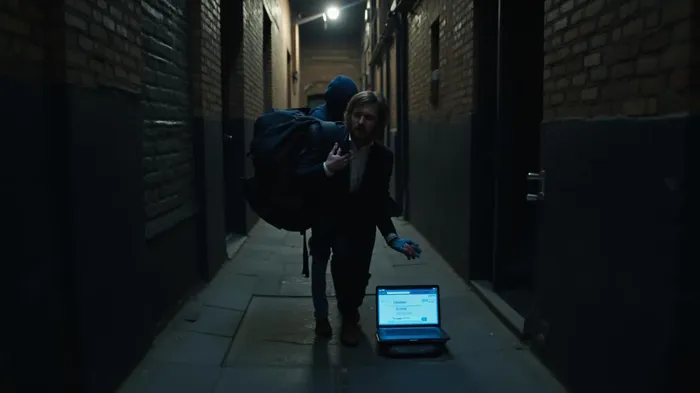
An American tourist, Jacob Irwin-Cline, was drugged and robbed of $123,000 in Bitcoin in London, highlighting the growing threat of crypto-related criminal activity. The incident began when Cline, slightly intoxicated, mistakenly entered a private, unregistered vehicle driven by a man impersonating his UberUBER-- driver. The driver offered Cline a cigarette laced with a powerful sedative, causing him to lose consciousness. Upon regaining awareness, Cline found himself robbed of his smartphone, which contained the private keys to his Bitcoin wallet. The thief fled with the device, gaining immediate access to the $123,000 in crypto assets.
This incident is part of a broader trend of violent crimes targeting crypto investors and their families. Earlier this month in France, the father of a crypto exchange owner was rescued from captivity by police, who uncovered an organized ransom operation. Just days later, the CEO of a Paris-based crypto exchange, PaymiumPAY--, confirmed that his daughter and grandson were victims of an attempted kidnapping. These events underscore the need for enhanced security measures in the crypto ecosystem, both digital and physical.
Experts are urging individuals with substantial crypto holdings to implement stronger operational security (OpSec) protocols. This includes storing private keys in coldCOLD-- wallets, using multi-signature access, and avoiding sharing wealth-related information in public forums or social settings. The UK incident also raises questions about platform accountability, particularly the importance of user compliance with safety features such as license plate verification and driver identity checks.
London’s MetropolitanMCB-- Police are investigating the theft and have urged tourists and residents to remain vigilant, particularly when accessing high-value accounts on mobile devices while traveling. Crypto platforms are being encouraged to enforce stronger security measures, including default two-factor authentication (2FA) and enhanced alerts when access from a new device is detected.
Cline’s experience highlights the hard truth that crypto wealth, once considered pseudonymous and secure, can now make individuals a high-profile target in both the digital and physical world. Social media posts, exchange account leaks, and blockchain explorer data can hint at wallet balances and attract malicious actors. As of this writing, Cline’s stolen Bitcoin has not been recovered. Blockchain forensic firms have been contacted to trace the funds, but analysts warn that real-time recovery becomes increasingly difficult once a phone is compromised and access keys are exported or transferred.
In other crypto crime news, a Massachusetts man was sentenced to six years in federal prison for running a clandestine Bitcoin exchange disguised as a vending machine business. Trung Nguyen, a resident of Danvers, Massachusetts, was sentenced by US District Court Judge Richard Stearns. In addition to the prison term, Nguyen will serve three years of supervised release and must forfeit $1.5 million in illegal proceeds.
Nguyen’s business, National Vending, processed more than $1 million in cash-for-Bitcoin transactions between September 2017 and October 2020. Prosecutors revealed that Nguyen took part in an online course designed to teach individuals how to evade banking scrutiny and regulatory detection. These lessons included tips on avoiding words like “Bitcoin” in business paperwork, creating fictional supplier lists, and camouflaging illicit financial flows through legitimate-sounding fronts.
Nguyen’s services attracted a diverse and questionable clientele, including victims of overseas romance and tech scams, who were coerced into converting cash into Bitcoin on behalf of fraudsters. In one example, Nguyen facilitated ten transactions totaling $250,000 for a known drug dealer in 2018. Nguyen’s downfall came via a sting operation in which undercover law enforcement officers posed as clients. During several meetings, Nguyen accepted bundles of cash and returned Bitcoin while charging a commission of around 5%.
Despite initially pleading not guilty, Nguyen was convicted on one count of operating an unlicensed money-transmitting business and one count of money laundering. He was acquitted on a second money laundering charge. National Vending functioned for three years without detection by disguising its true nature. Banks processed Nguyen’s structured deposits under the assumption that they were revenue from vending operations. Crypto exchanges received fiat deposits that Nguyen claimed were business expenses. In reality, Nguyen was functioning as a shadow exchange and turning hard cash into untraceable cryptocurrency for anyone willing to pay his commission and ask no questions.
With Nguyen’s sentencing, regulators may further accelerate crackdowns on peer-to-peer (P2P) crypto exchangers and unlicensed brokers. Legal experts believe that authorities could increase enforcement actions in the coming year by leveraging blockchain analysis tools and undercover agents. While centralized exchanges like CoinbaseCOIN-- and Kraken have long operated under regulatory oversight, decentralized and informal conversion services continue to operate in legal gray zones. Nguyen’s prosecution signals that such loopholes are closing.

Entiende rápidamente la historia y el antecedente de varias monedas conocidas
Latest Articles
Stay ahead of the market.
Get curated U.S. market news, insights and key dates delivered to your inbox.
AInvest
PRO
AInvest
PRO



Comments
No comments yet