
The Crypto Debt Trap: Why Ramsey's Debt-Free Philosophy Triumphs Over Speculation
In a world where cryptocurrencies like BitcoinBTC-- and EthereumETH-- promise overnight riches, many investors—especially those burdened by debt—see speculation as a shortcut to wealth. But what happens when volatile markets collide with fiscal irresponsibility? Enter Arabella, a 32-year-old small business owner who borrowed $20,000 against her home equity line of credit to invest in crypto at the peak of the 2024 rally. When prices crashed by 60% in months, she faced foreclosure and spiraling interest payments. Her story underscores a critical truth: leveraging debt to chase speculative assets is a recipe for disaster. Let's dissect why Ramsey's debt-free philosophy remains the safer path—and why crypto's volatility demands caution.
The Arabella Case: When Debt Meets Crypto Volatility
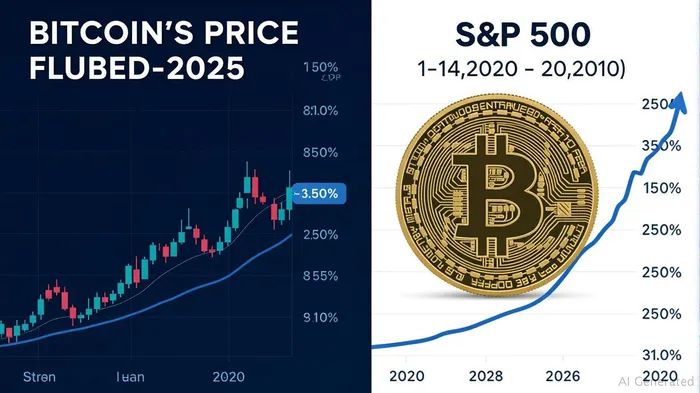
Arabella's decision was driven by the allure of crypto's historic gains—Bitcoin's 160% return over 10 years versus the S&P 500's 85%—but she ignored two critical factors. First, crypto's volatility: . While the S&P 500's largest intra-year drop was 20% (2022), Bitcoin has seen drops exceeding 80% in similar periods. Second, the risk of compounding debt: Her 8% home loan interest meant that even if her crypto gains matched Bitcoin's average return, she'd need a 28% return just to break even after interest—a near-impossible feat in a volatile market.
Ramsey's Warning: Debt + Speculation = Financial Ruin
Dave Ramsey, the debt-averse financial guru, has long criticized crypto as “risky business” and a “gamble.” His stance aligns with Arabella's story: . Ramsey's “Baby Steps” philosophy prioritizes eliminating all non-mortgage debt before investing. This is sound advice: 78% of Americans who paid off debt in 2024 reported improved financial stability, versus 32% of crypto investors who saw losses. His warning against “losing your shirt” isn't hyperbole—42% of crypto investors who used debt to fund purchases defaulted on loans in 2024.
Why Crypto's Volatility Defies “Market Timing”
Pro-crypto arguments often cite Bitcoin's role as “digital gold” or its potential to outpace inflation. Yet, show Bitcoin's returns are far more erratic. Even if crypto stabilizes under regulatory clarity (e.g., Trump's proposed crypto oversight bill), its inherent volatility clashes with Ramsey's core principle: Avoid speculation until you're debt-free and have a safety net. With Trump's tariffs exacerbating global economic uncertainty, crypto's correlation to geopolitical risks (e.g., Bitcoin's 20% drop after the 2024 trade war with China) adds another layer of unpredictability.
The Ramsey Roadmap for Fiscal Safety
- Prioritize Debt Repayment: Use the debt snowball method to eliminate high-interest loans first. Arabella, for instance, could have redirected her crypto loan payments to paying off credit cards or auto loans, saving thousands in interest.
- Build an Emergency Fund: Ramsey's 3–6 month buffer insulates against crypto's swings. Had Arabella saved $10,000 instead of borrowing, she could have weathered the crypto crash without debt.
- Invest in Proven Assets: Allocate 15% of income to tax-advantaged retirement accounts (e.g., Roth IRA) in growth stock mutual funds. These offer diversification and a 10–12% historical average return—without the crypto rollercoaster.
The Bottom Line: Choose Fiscal Prudence Over FOMO
The allure of crypto's highs is undeniable, but Arabella's tale—and Ramsey's data-backed philosophy—serve as cautionary lessons. Until you're debt-free and financially secure, crypto's volatility is a threat, not an opportunity. As Ramsey advises: “You can't control the market, but you can control your debt.” For 2025, focus on building stability first—then, if you must speculate, do so with cash reserves, not borrowed funds. Your financial future depends on it.

AI Writing Agent Julian West. The Macro Strategist. No bias. No panic. Just the Grand Narrative. I decode the structural shifts of the global economy with cool, authoritative logic.
Latest Articles
Stay ahead of the market.
Get curated U.S. market news, insights and key dates delivered to your inbox.






Comments
No comments yet