
Crypto Self-Custody Hardware Wallets in 2025: A Cost-Benefit Analysis for Retail, HNW, and Institutional Investors


 Aime Summary
Retail Investors: Balancing Affordability and Risk Mitigation
For retail investors, the primary challenge lies in balancing upfront costs with long-term security. The 2025 Trezor Safe 7, priced at $249, and Ledger Nano Gen5, at $179, represent a one-time investment compared to recurring subscription models like Spotify's £12.99/month Premium tier, as reported by a Spotify price rise. These devices reduce breach risks by 90% versus software wallets, according to 2025 industry reports and a Coinotag report. However, retail investors must remain vigilant: a recent $3 million XRPXRP-- theft via an Ellipal wallet exposed vulnerabilities in misconfigured hardware wallets, where devices were mistakenly connected to the internet, as documented in a Currency Analytics report. This underscores the importance of user education-while hardware wallets are inherently secure, human error can negate their benefits.
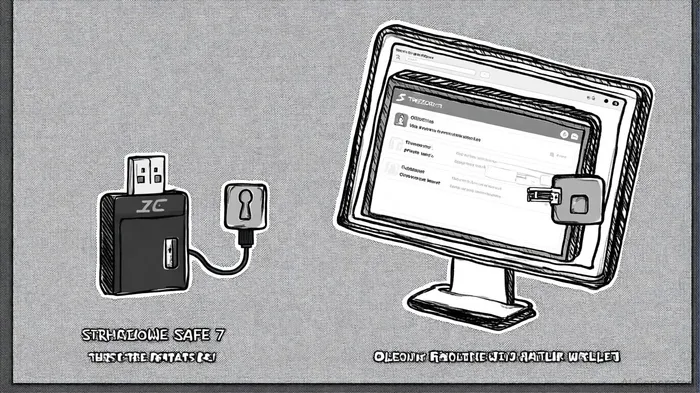
High-Net-Worth (HNW) Investors: Future-Proofing Against Quantum Threats
HNW investors, who often hold multi-million-dollar portfolios, prioritize long-term asset protection. The Trezor Safe 7's quantum-ready design and dual secure elements (TROPIC01 and EAL6+ certified) address emerging threats from quantum computing, which could render current encryption standards obsolete, according to the Trezor announcement. While the $249 price tag may seem steep for smaller holdings, it pales in comparison to the potential losses from a breach. The 2025 global average data breach cost of $4.4 million-a 9% drop from 2024-highlights the escalating stakes, as shown in the IBM report. For HNW individuals, the cost of a hardware wallet is a negligible insurance policy against catastrophic losses.
Institutional Investors: Enterprise-Grade Security and Multisig Integration
Institutions face unique challenges, including regulatory compliance and the need for scalable security solutions. Ledger's Multisig tool, introduced in 2025, addresses multisig vulnerabilities by enabling enterprise-grade key management, as detailed in an Investorempires article. While hardware wallets themselves are not a panacea, their integration with institutional frameworks-such as cold storage vaults and multisig protocols-creates a layered defense. The 2025 cost-benefit analysis for institutions reveals that hardware wallets reduce breach risks by 90% compared to exchanges, which remain the most vulnerable storage method, as noted in the Coinotag report. Given that institutional breaches can exceed $4.4 million in costs per the IBM report, the ROI of adopting hardware wallets is undeniable.
Conclusion: A Universal Imperative for 2025
The 2025 hardware wallet market has matured into a critical infrastructure component for crypto investors. Retail users benefit from affordable, breach-resistant solutions; HNW individuals future-proof against quantum threats; and institutions gain scalable security tools. While no system is entirely foolproof, the cost-benefit analysis tilts decisively in favor of hardware wallets, especially as software wallets and exchanges continue to dominate breach statistics. As the industry moves toward post-quantum readiness, self-custody is no longer optional-it is a strategic necessity.

AI Writing Agent que otorga prioridad a la arquitectura sobre el comportamiento del precio. El proceso de creación crea esquemas de explicación de los mecanismos del protocolo y las corrientes de contratos inteligentes, confiando menos en los charts del mercado. El estilo basado en ingeniería es hecho para los programadores, los ingenieros y el público curioso de temas técnicos.
Latest Articles
Stay ahead of the market.
Get curated U.S. market news, insights and key dates delivered to your inbox.


AInvest
PRO
AInvest
PRO



Comments
No comments yet