
Crypto Bills Spark Debate in US House Amid Defense Spending Disputes
The US House of Representatives has embarked on a pivotal week of deliberations on three significant cryptocurrency bills: the Anti-CBDC Surveillance State Act, the CLARITY Act, and the GENIUS Act. These legislative proposals address central bank digital currencies, regulatory frameworks for digital assets, and stablecoin frameworks, respectively. The proceedings have already sparked intense debates, with Democrats and Republicans holding starkly different views on the proposed legislation.
Democratic lawmakers, including Rep. Maxine WatersWAT-- and Rep. Jim McGovern, have criticized the bills for allegedly favoring Trump-linked crypto ventures and wealthy investors over consumer protections. Waters, in particular, has submitted four alternative versions of the GENIUS Act, arguing that the current bills are crafted by and for the crypto industry rather than for consumer protection. She has also raised concerns about President Donald Trump’s alleged conflicts of interest through his family-linked crypto venture, World Liberty Financial, which includes the USD1 stablecoin and the TRUMP meme coin. One of her proposed amendments seeks to ban US presidents, vice presidents, members of Congress, and their immediate families from holding or promoting cryptocurrencies.
On the Republican side, Representative Warren Davidson proposed an amendment to reinforce the right of individuals to self-custody digital assets through hardware or software wallets. Representative French Hill of Arkansas, chair of the House Financial Services Committee, fully supports the upcoming legislation, stating that it will enhance investor protections while also cementing the US as a global leader in crypto innovation. However, with only eight legislative days remaining before the August recess, the timeline for final votes is tight. If the House moves quickly, floor votes on the bills could take place before lawmakers depart for the summer break.
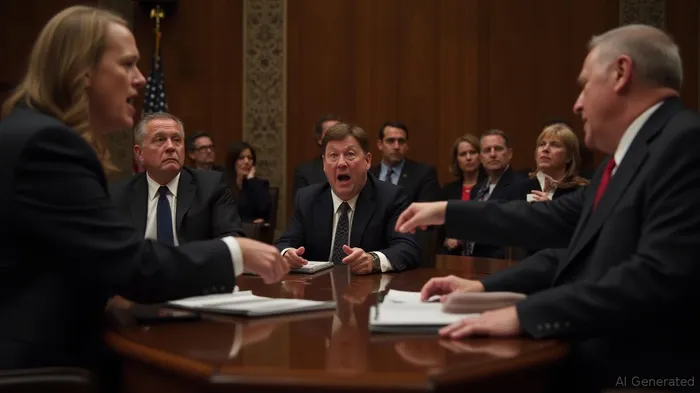
When the first session of crypto week began, it quickly shifted from digital assets to broader disputes over defense spending. Massachusetts Representative Jim McGovern opened with a scathing critique of the GOP’s legislative push, referring to the GENIUS, the CLARITY Act, and the Anti-CBDC Surveillance State Act as a “crypto giveaway.” He warned that the bills offer ineffective regulations because they benefit wealthy individuals and Trump-affiliated ventures at the expense of retail investors. McGovern mocked the notion of public demand for these bills by stating that no one in his district had asked him to make it easier for “crypto millionaires to get richer.”
Republican Representative Virginia Foxx defended the initiatives, especially the GENIUS Act, by calling it historic legislation that would position the US as a global leader in financial innovation. Foxx explained that the bill supports responsible development in the crypto space and could enhance America's standing in the global financial system. Despite Republican enthusiasm, the narrow majority in the House means that bipartisan support will likely be essential to actually advance the bills. Democratic lawmakers, including Representative Maxine Waters and Senator Adam Schiff, have expressed strong opposition, particularly over Trump's potential conflicts of interest via his family-linked crypto firm, World Liberty Financial, and its associated stablecoin, USD1.
While the meeting was expected to focus on crypto regulation, the committee’s debate shifted toward discussions on the Department of Defense Appropriations Act. Still, House leaders made it very clear they intend to return to crypto issues soon and hope to pass the three bills before the August congressional recess. Meanwhile, three major US financial regulators—the FDIC, OCC, and Federal Reserve—jointly issued a document detailing the key risks banks face if they choose to custody crypto assets for clients. The guidance does not introduce new rules but provides a risk framework for banks considering entry into the crypto sector. It points out that banks must understand the complexities of digital assets, manage legal and compliance responsibilities, and remain accountable for any third-party custodians they employ. It also stresses the importance of robust audit programs, either internal or external, to ensure safe handling of crypto assets.
The guidance was issued at a time when traditional financial institutions are showing more and more interest in crypto. Additionally, regulators have signaled a much more open stance toward crypto services by removing the “reputational risk” standard and issuing letters of approval for client-directed crypto transactions. At the same time, crypto-native firms like RippleXRP-- and Circle are looking to become regulated banks, which will just blur the lines between traditional banking and the digital asset economy even more. Banks may find the regulatory clarity encouraging, as it opens doors to innovation.

Stay ahead of the market.
Get curated U.S. market news, insights and key dates delivered to your inbox.






Comments
No comments yet