
Crypto Bills Spark Bipartisan Debate in US Congress
The US Congress initiated a debate on cryptocurrency legislation, with critics accusing the Republican Party of favoring the industry. The discussion began with a focus on crypto bills but swiftly transitioned to the Department of Defense Appropriations Act. The GENIUS Act, a key piece of legislation, garnered bipartisan support in the Senate, with several Democrats aligning with most Republicans to endorse the proposed federal regulations. This support signals a significant step towards integrating the crypto industry into the mainstream financial landscape.
The debate highlighted the contentious nature of the crypto bills, with opponents arguing that the legislation represents a "giveaway" to the industry. This perspective suggests that the bills may disproportionately benefit certain sectors, potentially at the expense of broader public interests. The bipartisan support for the GENIUS Act, however, indicates a growing consensus on the need for regulatory clarity in the crypto space. This consensus is crucial for fostering innovation while ensuring consumer protection and market stability.
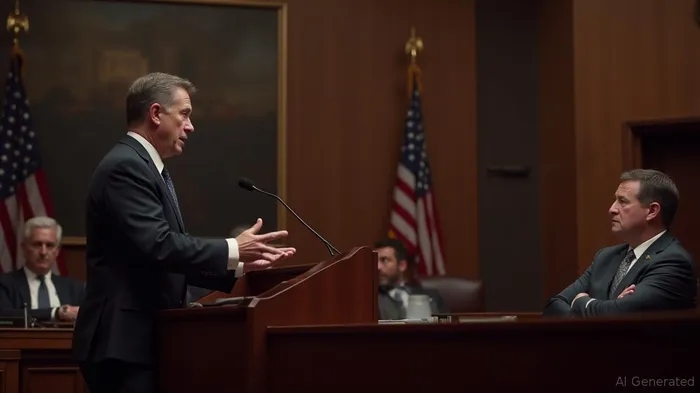
In a Monday meeting of the House Committee on Rules, Massachusetts Representative Jim McGovern criticized Republican lawmakers and President Donald Trump for their attempts to push through three crypto bills: the Guiding and Establishing National Innovation for US Stablecoins Act (GENIUS), the Digital AssetDAAQ-- Market Clarity Act (CLARITY), and the Anti-CBDC Surveillance State Act. McGovern referred to the bills as the “GOP’s crypto giveaway,” criticizing the legislation for offering “weak and ineffective” regulatory solutions at the expense of investors. He stated, “I have not had one person in my district come up to me and say, ‘please, please Jim, make it easier for crypto millionaires to get richer, please make it easier to con people,’” said McGovern. “Yet that is exactly what is going on here.”
North Carolina Representative Virginia Foxx, who chairs the committee, opened with a general overview of the three crypto bills and the Department of Defense Appropriations Act. She began with claims on the GENIUS Act, suggesting that Republicans might be prioritizing the stablecoin bill over market structure and regulating CBDCs. “This legislation is historic, and it will help propel responsible innovation within America and lead us to securing an even stronger foothold within the global financial system,” said Foxx, referring to the GENIUS Act.
Many Democrats in Congress, where Republicans have a slim majority and may need the other party’s support to pass all three bills, have been pushing back against the legislation. Lawmakers, including Representative Maxine Waters and Senator Adam Schiff, have cited the president’s potential conflicts of interest through his family-backed crypto company World Liberty Financial, its stablecoin, USD1 and his memecoin, Official Trump (TRUMP).
At the time of publication, debate in the House committee had shifted to discussions over the Department of Defense Appropriations Act, but is expected to return to digital assets soon. Republican House leaders suggested they intended to pass all three bills before the congressional August recess, giving them less than two weeks.
The advancement of these crypto bills this week is a pivotal moment for the industry. The legislation aims to establish a framework for federal oversight, which could pave the way for wider adoption and integration of cryptocurrencies into the traditional financial system. The bipartisan backing of the GENIUS Act underscores the recognition of the crypto industry's potential and the necessity for comprehensive regulation. This development is likely to influence future legislative efforts and shape the regulatory environment for digital assets.

Stay ahead of the market.
Get curated U.S. market news, insights and key dates delivered to your inbox.






Comments
No comments yet