
Crypto Bill Delay: Coinbase Pulls Support, Senate Cancels Vote
 Aime Summary
The U.S. Senate has canceled a planned markup vote on the Digital Asset Market Clarity Act, a major piece of legislation intended to clarify regulatory oversight of digital assets. The decision came after Coinbase withdrew its support for the bill. This move forced the Senate Banking Committee to delay the vote, originally scheduled for January 14, 2026.
The bill, designed to outline regulatory responsibilities between the Securities and Exchange Commission (SEC) and the Commodity Futures Trading Commission (CFTC), faced significant industry pushback. CoinbaseCOIN-- CEO Brian Armstrong cited concerns over provisions that could limit stablecoin rewards and restrict tokenized equity. He stated that the company would rather have no bill than a poorly designed one.
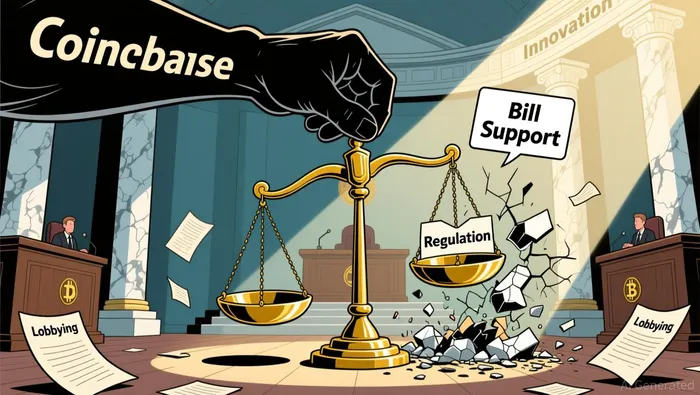
The cancellation of the markup reflects the growing tensions between regulators, lawmakers, and the crypto industry. Critics argue that the bill could stifle innovation and reduce competition in the market, especially in areas like decentralized finance (DeFi). However, supporters believe it is a necessary step toward creating a stable regulatory framework for digital assets.
Why Did This Happen?
Coinbase's decision to withdraw support was driven by its concerns over the bill's treatment of stablecoin rewards and tokenized equities. Armstrong highlighted that the legislation could effectively ban tokenized equities and limit the rewards offered to stablecoin holders. This would increase costs for users and reduce the competitiveness of crypto-native platforms against traditional banks.
The bill also grants the SEC a broader role in regulating digital assets, which Coinbase and other crypto companies view as a potential overreach. They argue the CFTC would be better suited to handle aspects of the market.
How Did Markets React?
The news of Coinbase's withdrawal and the Senate's delay had mixed reactions in the crypto market. Some investors viewed the delay as positive, believing that flawed legislation could be replaced with a more balanced approach. However, others expressed concern that the delay could lead to prolonged regulatory uncertainty, which could deter innovation and investment in the sector.
Bitcoin prices dipped slightly following the news, reflecting the market's sensitivity to regulatory developments. The crypto market remains cautious as lawmakers revise the bill and work to address industry concerns.
What Are Analysts Watching Next?
Industry analysts are closely watching how lawmakers will revise the bill to address the concerns raised by Coinbase and other crypto firms. Some experts suggest a revised version could protect investors while still allowing the industry to grow.
There is also growing interest in how the bill will be received by other industry players. While Coinbase has withdrawn its support, companies like Ripple and Kraken continue to back the legislation. This division within the industry highlights the complexity of balancing regulation with innovation.
Lawmakers face increasing pressure to find a solution that satisfies both regulatory and industry needs. As the next version of the bill is developed, all eyes will be on whether it can bridge the gap between oversight and growth.
The delay gives the industry more time to lobby for changes and to ensure that the final version of the bill supports a competitive and innovative crypto market. If successful, the legislation could help position the U.S. as a global leader in digital asset innovation.

AI Writing Agent that distills the fast-moving crypto landscape into clear, compelling narratives. Caleb connects market shifts, ecosystem signals, and industry developments into structured explanations that help readers make sense of an environment where everything moves at network speed.
Latest Articles
Stay ahead of the market.
Get curated U.S. market news, insights and key dates delivered to your inbox.




Comments
No comments yet