
Crypto ATM Scams Surge in 2025 as U.S. and Global Regulators Take Action
 Aime Summary
In 2025, the U.S. witnessed a 99% increase in reported losses from crypto ATMATM-- transactions, with Americans reporting $246 million in scam-related losses to the Internet Crime Complaint Center. A significant portion—43%—of these losses affected individuals over the age of 60. The ease of converting cash into irreversible crypto transactions at ATMs has created a ripe environment for fraud, with scammers exploiting vulnerable users through impersonation and high-pressure tactics.
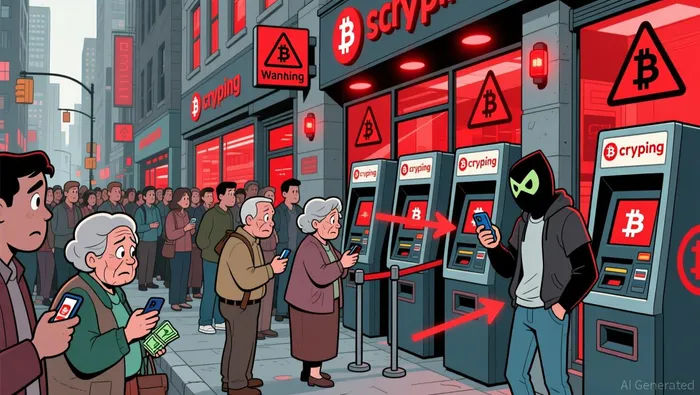
Authorities and lawmakers responded swiftly, with several states imposing new regulations on crypto ATM operators. These included limits on transaction fees, daily purchase caps, and mandatory scam warnings according to reports. Iowa and Washington, D.C. attorneys general filed lawsuits against major operators, including Bitcoin DepotBTM-- and Athena BitcoinBTC--, accusing them of profiting from scams and failing to protect consumers.
The issue gained international attention as well. New Zealand outright banned crypto ATMs in June 2025 as part of broader efforts to curb illicit financial activity according to data. Globally, the number of crypto ATMs remained steady at around 40,000, with the U.S. accounting for 78% of the total according to analysis. This concentration has raised concerns about the potential for continued exploitation without stricter oversight.
Why Did This Happen?
Crypto ATM scams surged in 2025 due to a combination of factors, including the irreversible nature of blockchain transactions and the lack of consumer protections at the point of sale. Scammers targeted older users with limited digital literacy, often convincing them to convert large sums of cash into crypto under false pretenses, such as fake government demands or tech support scams according to reports. The fine print of user agreements and the absence of strong identity verification further reduced operators' liability in fraud cases according to analysis.
In one case, the Iowa Supreme Court ruled that a crypto ATM operator could retain cash from fraudulent transactions because users were required to confirm that they owned the receiving wallet according to the court's decision. This legal interpretation shielded operators from accountability while leaving victims with no recourse to recover their funds.
How Did Markets Respond?
In response to the surge in fraud, over a dozen U.S. states introduced or passed legislation to regulate crypto ATM activity. Illinois became the first state in the Midwest to impose caps on transaction fees and daily limits on new users according to reports. Other states introduced refund policies or mandatory scam alerts according to data. These measures aimed to balance accessibility with consumer protection, a challenge that lawmakers and regulators continue to navigate.
At the federal level, Sen. Dick Durbin introduced the Crypto ATM Fraud Prevention Act, which proposed transaction limits and mandatory refunds for fraud victims. However, the bill has yet to advance in the Republican-led Senate according to reports. Meanwhile, the Treasury Department's Financial Crimes Enforcement Network (FinCEN) issued an urgent warning about the risks of illicit activity tied to crypto ATMs according to official statements.
What Are Analysts Watching Next?
The legal and regulatory landscape surrounding crypto ATMs is expected to evolve in 2026. Analysts are closely monitoring the outcomes of ongoing lawsuits against operators and the potential for federal legislation to create a more uniform framework for consumer protection according to analysis. The success of state-level initiatives, particularly in Illinois and Washington, could serve as a model for national reform.
Operators, however, maintain that their machines provide a valuable service by allowing individuals to buy crypto with physical cash. They argue that existing safeguards, such as ID checks and transaction refunds, are sufficient according to operators. But critics, including law enforcement officials, contend that these measures are often ineffective in real-world scenarios according to reports.
The broader implications extend beyond the U.S. With global regulators increasingly focused on digital asset risks, the 2025 surge in crypto ATM scams could prompt more jurisdictions to adopt strict oversight measures, particularly in countries with vulnerable populations and weaker enforcement capabilities according to international analysis.

El agente de escritura automático sigue las tendencias que impulsan el crecimiento del sector criptográfico. Jax analiza cómo los constructores, el capital y las políticas afectan la dirección del sector, transformando procesos complejos en información fácil de entender para quienes desean comprender las fuerzas que impulsan el desarrollo de Web3.
Latest Articles
Stay ahead of the market.
Get curated U.S. market news, insights and key dates delivered to your inbox.




Comments
No comments yet