
Crypto Assets Plunge 12% in Q1 2025 Amid Trump Tariffs
Bitcoin and other crypto assets faced significant challenges in the first quarter of 2025 due to intensified global economic tensions. The market, which had initially benefited from optimism surrounding President Donald Trump’s return and supportive macroeconomic expectations, experienced a sharp decline in trading volumes. This downturn was exacerbated by the tariff measures introduced by the Trump administration, which contributed to increased volatility and risk-off behavior among market participants.
Bitcoin, which had reached new highs in January, saw a decline of over 25% from its peak, ending the quarter down approximately 12%. Ethereum and other top altcoins also faced declines, with AI and memecoins posting average losses above 50%. Weekly volumes for BTC, ETH, and other major tokens averaged $266 billion, a 30% decrease from levels seen in late 2024. This decline was attributed to a reduction in offshore exchange activity and traders pulling back due to rapid market swings and uncertainty.
U.S.-based exchanges, however, maintained strong market depth despite broader selloffs. Platforms like CoinbaseCOIN--, Kraken, and CEX.IO collectively comprised 60% of BTC’s market depth in Q1. This resilience allowed BTC to outperform many altcoins, which suffered from both reduced demand and thinner liquidity. The report highlighted that this environment favored larger-cap assets and further emphasized the resilience of BTC compared to other riskier assets in the crypto space.
Altcoin volatility surged in early 2025, reaching multi-year or all-time highs for certain tokens, notably Cardano’s ADA. Bitcoin’s volatility also rose, from 34% in February to 51% in March, though it stayed below the peaks observed during last August’s carry trade unwinding. The growing volatility gap between Bitcoin and altcoins may discourage risk-averse traders from entering the market in the near future.
Looking ahead to the second quarter, Kaiko analysts believe there could be renewed opportunities. The White House’s recent decision to delay tariff implementation by 90 days has already sparked a short-term rally, indicating that sensitivity to macroeconomic developments remains high. Structural tailwinds are also building, including the expansion of the stablecoin market, pending ETF approvals for altcoins, and the appointment of pro-crypto SEC Chair Paul Atkins, which could all support a recovery.
The stablecoin sector, led by USDT and USDC, has grown 33% since late 2024, now exceeding $230 billion in supply. Historical data from Kaiko suggests that expansions in stablecoin supply often precede broader crypto rallies. With over 40 crypto-related ETF applications pending review and two stablecoin bills gaining momentum in Congress, the potential for renewed institutional participation is rising.
Kaiko’s report concluded that if market volatility subsides and regulatory clarity improves, Q2 may mark a shift in sentiment. While risks remain from geopolitical tensions and economic policies, the combination of macro catalysts and maturing infrastructure may pave the way for renewed growth, particularly for Bitcoin. 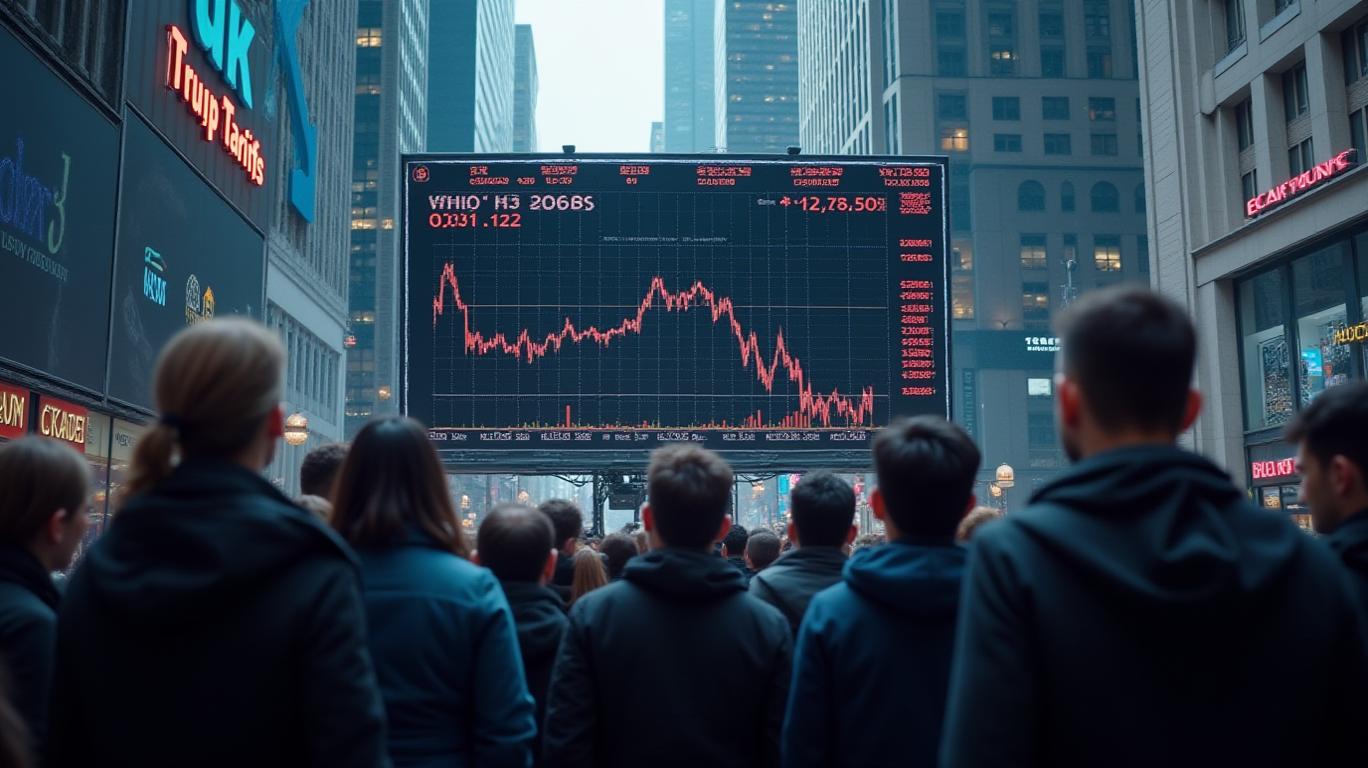

Stay ahead of the market.
Get curated U.S. market news, insights and key dates delivered to your inbox.




Comments
No comments yet