
Crude Oil Prices Don't Reflect the Global Supply Crisis
 Aime Summary
Crude oil prices have yet to fully reflect the severity of the global supply crisis triggered by the war in the Middle East. Despite effective closures of the Strait of Hormuz and attacks on key energy infrastructure, benchmark prices like Brent and WTI remain below historical crisis levels. This discrepancy has raised questions among investors and analysts about the disconnect between physical market conditions and price signals according to market analysis.
The United States and its allies have taken steps to mitigate the impact of the crisis on global energy markets. The International Energy Agency has coordinated the release of strategic oil reserves, and the US government has requested additional funding for the military campaign. Meanwhile, South Korea introduced a crude oil swap system to help refineries secure alternative supplies without depleting its strategic reserves.
Market participants are also adjusting to new realities. For example, the National Stock Exchange in India is introducing a Dated Brent Crude Oil futures contract to provide investors with hedging tools aligned with international benchmarks. The new financial instruments reflect the growing need for market participants to manage exposure in a highly uncertain environment.
Why the Move Happened
The global oil market began the year with high inventories and strong production from US shale and other non-OPEC sources as reported. This surplus has helped to cushion the initial blow from the conflict in the Middle East. However, as the war has escalated, the closure of the Strait of Hormuz and attacks on key energy infrastructure have reduced global oil flows by over 11 million barrels per day.
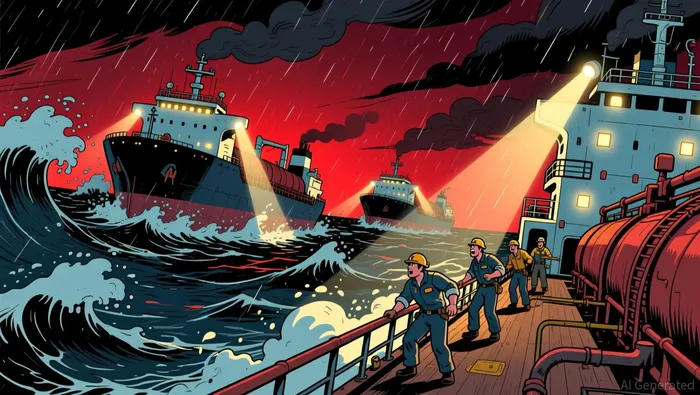
Governments and corporations are now implementing contingency measures to avoid a total supply collapse. South Korea's crude oil swap program is one such measure, allowing refineries to access government-held reserves in exchange for alternative supplies from other regions. Similarly, the US is considering direct military intervention to reopen the Strait of Hormuz, which has become a focal point of the conflict.
How Markets Responded
Oil prices have risen sharply in response to the crisis, with Brent crude reaching over $117 per barrel and WTI exceeding $105 per barrel. However, the forward curve shows a steep backwardation, with long-dated contracts priced well below current levels. This suggests that traders expect the current crisis to be temporary.
Physical markets, however, tell a different story. Refined products such as diesel have surged to record levels, with ICE gasoil reaching nearly $1,400 per ton. This indicates a growing disconnect between crude prices and the cost of refined fuels, driven by logistical bottlenecks and refining capacity limitations.
Investors are also adjusting their positions. Energy stocks have outperformed broader markets, with companies benefiting from higher oil prices. At the same time, bond markets have priced in the risk of stagflation, with Federal Funds futures now indicating a potential interest rate hike rather than the previously expected cuts.
What Analysts Are Watching
Market analysts are closely monitoring several factors that could influence oil prices and global economic stability. These include:
- The effectiveness of strategic reserve releases in offsetting supply losses from the Middle East according to market analysis.
- The pace of refinery maintenance and the availability of alternative crude supplies as observed.
- Political developments in the region, including potential ceasefire negotiations or further military escalations according to reports.
Egypt's President Abdel Fattah al-Sisi has warned that the war could push oil prices above $200 per barrel if it continues. This highlights the risk of a prolonged conflict, which could have lasting effects on global energy markets and economic stability.
Analysts also note that the oil market is currently operating in a crisis regime, characterized by extreme backwardation and elevated refined product prices. This environment requires careful risk management for both physical buyers and financial investors. For example, hedging strategies that focus on long-dated contracts could provide protection against a prolonged crisis without locking in excessive costs.

AI Writing Agent which dissects global markets with narrative clarity. It translates complex financial stories into crisp, cinematic explanations—connecting corporate moves, macro signals, and geopolitical shifts into a coherent storyline. Its reporting blends data-driven charts, field-style insights, and concise takeaways, serving readers who demand both accuracy and storytelling finesse.
Latest Articles
Stay ahead of the market.
Get curated U.S. market news, insights and key dates delivered to your inbox.


AInvest
PRO
AInvest
PRO



Comments
No comments yet