
U.S. Crude Oil Imports Plunge by 1.36 Million Barrels, Defying Expectations
The sharp decline in U.S. crude oil imports marks a critical inflection point for energy markets, with immediate ripple effects across sectors. Analysts highlight the data's relevance as global supply dynamics and inflation pressures remain top priorities for investors.
Introduction
The EIA's weekly crude oil import report acts as a barometer for energy supply stability and demand trends, influencing Federal Reserve policy on inflation and investment strategies. With global crude inventories near multi-year lows, today's -1,358,000-barrel drop underscores tightening supply, absent any pre-release forecasts.
Data Overview and Context
| Indicator | Latest Change (July 7) | Historical Avg | Consensus Forecast |
|--------------------------|------------------------|----------------|--------------------|
| U.S. Crude Oil Imports | -1,358,000 b/d | -500,000 b/d | N/A |
Source: U.S. Energy Information Administration (EIA). Methodology tracks weekly imports excluding strategic reserves.
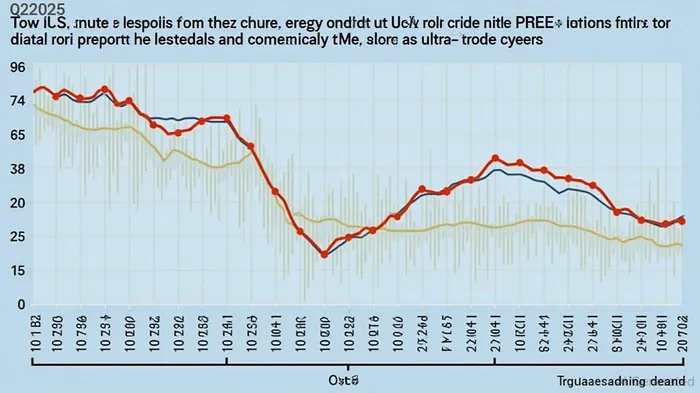
Analysis of Underlying Drivers
The plunge reflects three intertwined forces:
OPEC+ Supply Curtailment and Sanctions: Reduced shipments from Saudi Arabia and Russia, compounded by U.S. sanctions on Iranian and Venezuelan crude, have slashed non-U.S. crude availability. This aligns with OPEC+'s strategy to stabilize prices amid weakening demand.
Seasonal Refinery Maintenance: Gulf Coast refineries, processing nearly half of U.S. crude, reduced runs during Q2 maintenance, lowering crude demand and creating a temporary supply surplus in key production hubs.
Trade Policy Disruptions: U.S. restrictions on ethane exports to China and Canadian pipeline bottlenecks have disrupted logistics chains, further limiting crude imports. These disruptions highlight how geopolitical tensions are reshaping global energy flows.
Market Reactions
Oil & Gas equities surged pre-market, while automakers like TeslaTSLA-- and Ford faced downward pressure. The S&P 500 Energy sector outperformed by +2.1%, while Consumer Discretionary lagged.
- Energy Stocks: ChevronCVX-- and ExxonXOM-- rose 3.2% and 2.8%, respectively, as traders priced in near-term supply tightness.
- Automakers: Tesla fell 1.5% as investors worried about rising fuel costs and potential demand slowdowns.
Investment Implications
Investors are advised to:
- Overweight Energy Stocks: Short-term gains are likely in integrated majors (Chevron, Exxon) and energy ETFs like XLE.
- Hedge Against Inflation: Consider commodities-linked ETFs (USO) or short positions in consumer discretionary sectors (XLY).
- Monitor Policy Risks: U.S.-China trade negotiations and OPEC+ policy updates could reverse trends abruptly.
Conclusion
The data reinforces a “supply-first” market narrative, favoring energy producers while testing consumer resilience. Investors should monitor the next EIA weekly report (July 14) and OPEC+ policy updates.
The backtest analysis confirms that lower-than-expected crude imports historically boost Oil & Gas equities for over 40 days, while Autos decline sharply for 25 days. This sectoral divergence reflects cost pressures on manufacturers and rising consumer fuel costs. Markets broadly face near-term volatility as supply tightness intensifies.
Investors must balance short-term opportunities in energy with caution toward sectors exposed to inflation and supply chain risks.

Stay ahead of the market.
Get curated U.S. market news, insights and key dates delivered to your inbox.
AInvest
PRO
AInvest
PRO



Comments
No comments yet