
Croatia's Tourism Boom Fuels Sustainable Infrastructure Investment Opportunities
Croatia's tourism sector has surged to record heights, with 21.3 million arrivals in 2024 and €13.19 billion in revenue for the first nine months of the year. This growth, driven by year-round demand and a reputation as a Mediterranean gem, has positioned the country as a top European destination. Yet this success has come with a cost: environmental strain, overcrowded coastal regions, and infrastructure bottlenecks. For investors, the challenge—and opportunity—lies in supporting sustainable tourism infrastructure to capitalize on Croatia's growth while mitigating its ecological footprint.
The Tourism Surge and Its Environmental Toll
Croatia's tourism boom is undeniable. Overnight stays rose 1% in 2024 to 108.7 million, with pre- and post-season arrivals jumping 11% and 10.3%, respectively. The Adriatic coastline, including iconic destinations like Dubrovnik and Split, accounts for 97% of these stays. 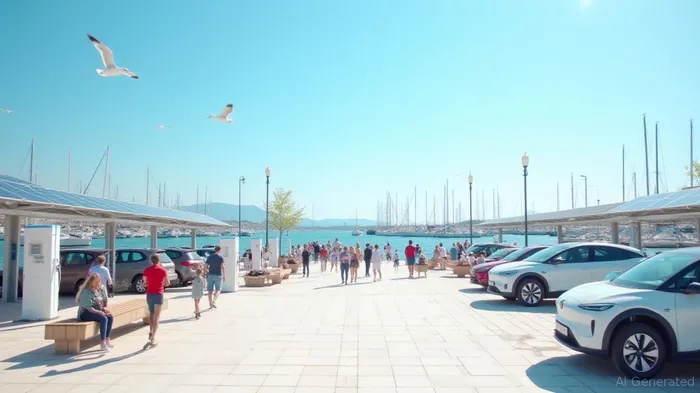
But this success strains ecosystems. Overcrowding in coastal areas, waste management challenges, and energy shortages during peak seasons threaten the very assets that draw visitors. For instance, Dubrovnik's historic walls face erosion from foot traffic, while marine protected areas near Istria struggle with pollution from tourism-related activities.
Investing in Sustainable Infrastructure: Where the Green Opportunities Lie
To address these issues, Croatia is prioritizing eco-friendly projects that align with EU climate goals. Here are key areas for investment:
1. Renewable Energy-Powered EV Charging Networks
Croatia's EV charging infrastructure is expanding rapidly, with over 1,500 stations installed by mid-2024—up 40% annually since 2020. The government aims for a station every 60 km on major roads by 2025, supported by partnerships like the Kempower-TurboVolt initiative, which is deploying 400 kW chargers at strategic locations such as Zagreb and Zadar.
These projects are critical for reducing tourism's carbon footprint. For example, the easyCharging network now offers real-time availability data and integrates with renewable energy sources, such as solar-powered stations near Plitvice Lakes National Park.
2. Coastal Preservation and Renewable Energy Integration
Croatia's coastal communities are leading grassroots sustainability efforts. The island of Zlarin, now plastic-free, has eliminated 150,000 single-use plastics annually, while Cres's citizen-owned solar plant demonstrates community-driven renewable energy.
Investors should look to projects like the Istria Energy Hub, a 400 MW solar farm paired with a 150 MW battery storage facility, which will stabilize the grid during peak tourism demand. The IFC's $200 million blue-green loan to Maistra Hospitality Group, funding eco-certified upgrades at properties like Hotel Marjan, also offers a template for scalable sustainable tourism investments.
3. Smart Grid and Regulatory Reforms
Despite progress, grid connection costs and bureaucratic hurdles slow renewable energy adoption. Croatia's 2024 reforms—streamlining permits to three documents from 66—and the Environmental Protection and Energy Efficiency Fund's €15 million allocation for EV infrastructure signal a commitment to resolving these issues.
Investors in grid modernization firms or renewable energy developers (e.g., those working with Jadrolinija ferries or Rimac Automobili) could benefit from Croatia's push to meet its 42.5% renewable energy target by 2030.
Risks and Considerations
- Grid Capacity Gaps: High-power charging stations (≥150 kW) remain scarce, risking bottlenecks for long-distance travelers.
- Bureaucratic Delays: Croatia missed its 2024 EU energy plan submission deadline, risking penalties.
- Seasonal Imbalances: While off-season growth is strong, winter tourism infrastructure (e.g., ski resorts in Lika-Senj) remains underdeveloped.
Actionable Investment Strategies
- Renewable Energy Infrastructure: Back firms developing solar/wind projects in tourist hotspots or those supplying charging stations (e.g., Kempower, TurboVolt).
- Sustainable Tourism Operators: Target companies like Maistra Hospitality, which blend luxury with environmental stewardship.
- Coastal Preservation Tech: Invest in waste management startups or eco-certification platforms aiding small island communities.
Conclusion
Croatia's tourism-driven economy is a double-edged sword: its growth fuels both prosperity and environmental stress. By channeling investment into renewable energy, smart grids, and coastal preservation, stakeholders can unlock long-term value while ensuring Croatia remains a sustainable destination. With EU funding and private-sector innovation on the rise, now is the time to act—before the next surge in visitors outpaces the infrastructure to support them.

Delivering real-time insights and analysis on emerging financial trends and market movements.
Latest Articles
Stay ahead of the market.
Get curated U.S. market news, insights and key dates delivered to your inbox.


AInvest
PRO
AInvest
PRO



Comments
No comments yet