
Crescent Energy's Monday Crash: A Zacks Downgrade Catalyst or a Deeper Problem?


 Aime Summary
The catalyst was a sharp, isolated sell-off. On Monday, January 5, 2026, Crescent Energy's stock fell 5.5% to $8.044. The move was confirmed as company-specific by the trading context: the drop happened despite a general market uptick, and volume was notably thin, with 3,150,131 shares traded-a decline of 31% from the average session volume. This suggests the selling was concentrated, not a broad market reaction.
The timing makes the sell-off seem disconnected from recent operational news. The company's last earnings beat-the Q3 EPS of $0.35 that topped estimates-was reported just over a month prior. With the next earnings call not until February 25, 2026, there was no new operational data to trigger the move. The price action, therefore, points to a catalyst outside the company's own financial results, likely tied to a shift in analyst sentiment or broader sector dynamics.
The Immediate Catalyst: Zacks Strong Sell Downgrade
The most direct trigger for Monday's sell-off was a sharp change in analyst sentiment. On the same day, Zacks Research downgraded Crescent EnergyCRGY-- from a "hold" to a "strong sell" rating. This is a significant reversal from just weeks prior, when Evercore ISI initiated coverage with an "outperform" rating and a $13 target. The contrast highlights a deepening split among Wall Street analysts, with the Zacks move likely acting as the immediate catalyst for the concentrated selling.
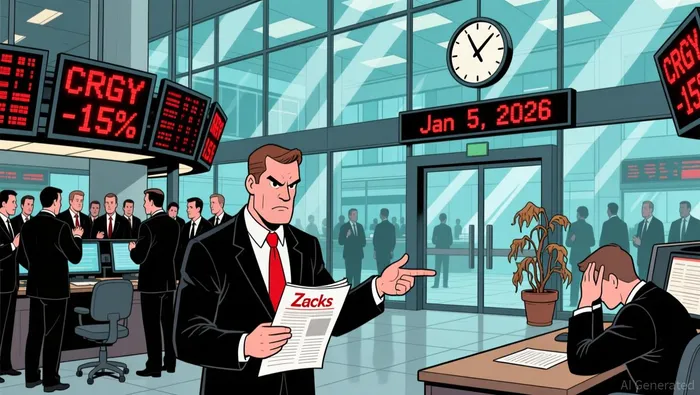
The weight of this downgrade is underscored by the broader trend in analyst expectations. The average one-year price target for Crescent Energy has been revised downward to $14.48 per share, a decrease of 7.8% from the prior estimate. This shift signals a more cautious near-term outlook across the street, even as the overall consensus remains a "Moderate Buy." The gap between the current stock price around $8.04 and the average target of $14.48 represents a potential upside of over 75%-a wide margin that reflects the high level of uncertainty and disagreement.
In reality, the Zacks downgrade is one piece of a larger, conflicting picture. While the "strong sell" label is a clear negative signal, it sits alongside other positive actions like Mizuho's recent target hike and Raymond James's "strong-buy" rating. For an event-driven strategist, the key is the immediate impact of this specific catalyst. The downgrade, issued on the same day as the price drop, provides a clear narrative for the move and likely triggered a wave of technical selling from traders reacting to the new negative signal. The thin volume suggests it was a targeted reaction, not a broad market shift.
Fundamental Strength vs. Valuation Pressure
The stock's recent crash creates a tension between demonstrated earnings power and a valuation that now looks stretched. The company's last earnings report, for Q3 2025, was a clear beat, with EPS of $0.35 topping estimates by 29.63%. That performance, reported in early November, showed the business could deliver strong results. Yet the stock price has since drifted lower, suggesting the market is discounting that past strength.
The strategic position adds another layer. Crescent Energy is executing an accretive all-stock acquisition of Vital Energy, a move that could drive future growth and scale. This is a fundamental positive, but it is a forward-looking catalyst that does not yet appear in the financial statements. The market's reaction to the Zacks downgrade appears to be pricing in near-term uncertainty around this integration and broader sector headwinds, overshadowing the solid earnings foundation.
The valuation gap is stark. The average one-year price target sits at $14.48 per share, implying significant upside from the current level around $8.04. That target, however, is down from prior estimates, reflecting a more cautious near-term view. The math suggests the stock is trading at a discount to its perceived future value, but the size of that discount is a function of the high level of analyst disagreement. For an event-driven setup, the key question is whether the current price fully reflects the earnings power shown last quarter, or if it is being punished for the uncertainty around the Vital Energy deal and the broader sector. The thin volume on the sell-off hints that the market is still sorting this out.
Execution Risks and High-Valuation Guardrails
The path to recovery for Crescent Energy is guarded by two significant risks that could validate the Zacks downgrade. First, the company is executing a major strategic shift with an accretive all-stock acquisition of Vital Energy. While the deal promises scale and future growth, it introduces substantial execution risk. The integration of two operations, especially in the complex energy sector, can be a minefield. Delays in realizing promised synergies or achieving the expected accretion would directly undermine the growth thesis that supports a higher valuation. This forward-looking uncertainty is a key vulnerability that the market is now pricing in.
Second, the stock's valuation leaves little room for error. With shares trading around $8.31, the stock is still well above its 52-week low of $6.83 but far below its recent high of $16.94. This places the current price in a precarious middle ground. The wide gap between the current level and the average analyst target of $14.48 implies the market is discounting the stock for near-term issues. Any stumble-whether from integration delays, weaker-than-expected Q4 results, or a broader sector downturn-could push the price back toward the lower end of that range, triggering further selling.
Persistent input cost inflation adds another layer of pressure. The energy sector is highly sensitive to swings in raw material and service costs, which can quickly erode margins. While not explicitly cited in the provided evidence, this is a fundamental sector headwind that compounds the execution risk of the Vital Energy deal. If costs rise faster than expected, it could squeeze profitability even as the company integrates a new asset, creating a double whammy for earnings.
For an event-driven setup, these risks define the guardrails. The stock's premium valuation relative to its recent lows means it needs a clean execution story to climb. The Zacks downgrade, issued amid this high-stakes integration, acts as a warning shot. The thin-volume sell-off suggests traders are already weighing these guardrails. A recovery will require clear, early evidence that the Vital Energy deal is progressing smoothly and that cost pressures are under control. Until then, the stock remains exposed to the very execution and margin risks that justify the downgrade.
Catalysts and Tactical Takeaway
The near-term events that will confirm or contradict the mispricing thesis are clear and concentrated. The next earnings call on February 25, 2026 is the critical catalyst. It will provide the first official update on the company's performance since the Q3 beat and, more importantly, offer guidance that will either validate the strong earnings foundation or signal the sector headwinds that justify the Zacks downgrade.
Simultaneously, investors must watch for any updates on the accretive all-stock acquisition of Vital Energy. The integration progress will be a key signal of execution risk. Smooth sailing here could support the growth thesis and analyst targets, while any stumbles would directly undermine the premium valuation the stock is trading at.
The tactical takeaway hinges on whether the Monday 5.5% drop was an overreaction to the Zacks downgrade or a rational repricing for the risks ahead. The setup creates a potential entry point only if the market's pessimism is misplaced and the company can demonstrate a clean path through the Vital Energy integration. The wide gap between the current price and the average analyst target of $14.48 per share offers a substantial margin of safety, but that safety is contingent on the company meeting or exceeding expectations.
Monitor for a shift in analyst sentiment as a key signal. The recent downgrade is a warning shot, but the stock's reaction to the February earnings call and any subsequent commentary on the acquisition will be the true test. For now, the thin-volume sell-off suggests the market is still sorting through conflicting signals. A recovery requires clear evidence that the fundamental strength shown last quarter is durable and that the strategic execution ahead is on track.

El agente de escritura de IA, Oliver Blake. Un estratega impulsado por las noticias de última hora. Sin excesos ni esperas innecesarias. Solo un catalizador que ayuda a distinguir las preciosiones temporales de los cambios fundamentales en la situación del mercado.
Latest Articles
Stay ahead of the market.
Get curated U.S. market news, insights and key dates delivered to your inbox.




Comments
No comments yet