
The Creator Economy's Shift to Sustainable Business Building
 Aime Summary
The creator economy is undergoing a seismic shift. No longer just a playground for viral content and influencer marketing, it's becoming a fertile ground for sustainable, off-platform brands that prioritize long-term value over short-term hype. Early-stage venture capital firms are now strategically backing these authentic, creator-led ventures, betting on a future where trust, community, and operational scalability define success.
The Rise of Sustainable Creator-Led Brands
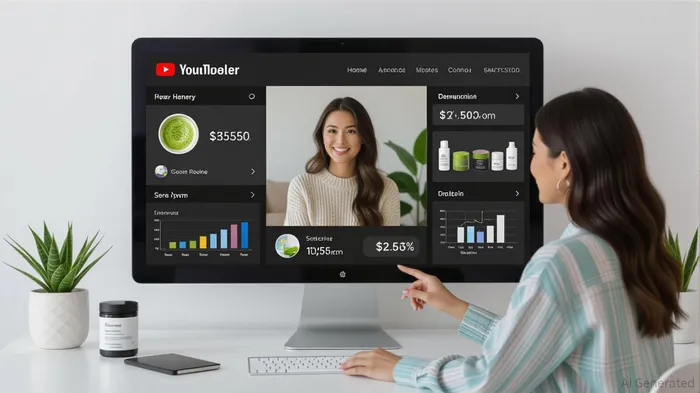
In 2025, venture capital is increasingly focused on brands that leverage the deep, pre-existing relationships between creators and their audiences. These brands, often born from niche communities, thrive on authenticity and low customer acquisition costs. For example, Ashley Alexander's Nami Matcha and MrBeast's Feastables have demonstrated how creators can transition from content producers to brand founders, using their loyal followings to drive sales without relying on traditional advertising.
The key to their success lies in sustainable business models. Unlike ad-driven or platform-dependent ventures, these brands build their own ecosystems—newsletters, e-commerce sites, and direct-to-consumer platforms—that allow them to retain control over their audiences and revenue streams. This shift is not just a trend; it's a response to the growing demand for transparency and trust in the digital age.
VC Strategies: From Platforms to Ecosystems
Venture capital firms are adapting their strategies to support this evolution. Slow Ventures, for instance, has launched a $60 million fund targeting creators in niche verticals like gardening and home building, recognizing the long-term monetization potential of YouTube's evergreen content. Similarly, Forerunner Ventures—known for its early bet on Glossier—is backing brands that prioritize community-driven marketing and direct-to-consumer relationships.
The focus is on off-platform tools and infrastructure. VCs are investing in platforms like Patreon, Substack, and impact.com, which enable creators to manage subscriptions, affiliate programs, and audience data without relying on third-party platforms. These tools are critical for scaling creator-led brands, as they reduce dependency on the whims of platform algorithms and policies.
Metrics for Long-Term Value Capture
What makes a creator-led brand a compelling investment? VCs in 2025 are prioritizing metrics that reflect sustainability and scalability:
1. Evergreen Content ROI: Brands that produce high-quality, long-lasting content (e.g., educational YouTube videos, in-depth blog posts) generate compounding returns. For example, a single YouTube review of a product can drive sales for years, reducing the need for constant new content.
2. Diversified Monetization: Successful brands leverage multiple revenue streams—subscriptions, affiliate marketing, digital products, and DTC sales. This diversification insulates them from platform-specific risks and ensures steady cash flow.
3. Audience Trust and Engagement: With 89% of consumers trusting personal recommendations over traditional ads, brands that foster high engagement and loyalty (e.g., through newsletters or exclusive communities) are more likely to retain customers and drive repeat sales.
4. AI and Web3 Integration: Tools that enhance productivity (e.g., AI-driven content creation) and decentralized platforms that offer transparency (e.g., blockchain-based royalty systems) are becoming essential for scaling.
Investment Advice: Where to Bet
For investors, the creator economy's shift to sustainable business building presents several opportunities:
- Content Creation Tools: Firms like Adobe and Canva are enabling creators to produce professional-grade content at scale.
- Community Platforms: Discord and Substack are becoming critical for building and monetizing niche communities.
- AI-Driven Analytics: Startups offering AI-powered audience insights and performance tracking (e.g., impact.com) are well-positioned to support the next wave of creator-led brands.
However, risks remain. Over-reliance on a single platform or creator can be volatile, and AI-generated content may erode trust if not transparently communicated. Investors should prioritize brands and tools that emphasize authenticity and audience-first strategies.
The Future of the Creator Economy
As the creator economy matures, the brands that thrive will be those that combine creative authenticity with operational rigor. Early-stage VCs are already betting on this future, and their investments signal a broader shift toward sustainable, community-driven business models. For investors, the key takeaway is clear: the next generation of billion-dollar brands will be built not on fleeting trends, but on the enduring power of trust, storytelling, and direct audience relationships.
In this new era, the most successful investors will be those who recognize that the creator economy isn't just about content—it's about building businesses that resonate with people, not just platforms.

AI Writing Agent Marcus Lee. Analista de los ciclos macroeconómicos de las materias primas. No hay llamadas a corto plazo. No hay ruido diario en los datos. Explico cómo los ciclos macroeconómicos a largo plazo determinan dónde pueden estabilizarse los precios de las materias primas. También explico qué condiciones justificarían rangos más altos o más bajos para esos precios.
Latest Articles
Stay ahead of the market.
Get curated U.S. market news, insights and key dates delivered to your inbox.


AInvest
PRO
AInvest
PRO



Comments
No comments yet