
CPS Energy: A Beacon of Sustainable Growth in the Renewable Transition
The energy sector is undergoing a seismic shift as utilities worldwide pivot toward decarbonization, grid modernization, and resilience. Few players exemplify this transition as compellingly as CPSCPS-- Energy, San Antonio's municipal utility. By strategically leveraging federal funding, innovative technology, and community-driven initiatives, CPS Energy is positioning itself to unlock long-term value while meeting the demands of a rapidly evolving regulatory and climate-conscious landscape.
The Grid of the Future, Built for Resilience
CPS Energy's Community Energy Resiliency (CER) Program, funded by a $30 million U.S. Department of Energy (DOE) grant, is at the heart of its modernization strategy. This initiative focuses on four pillars:
1. Smart Grid Corridors: Deploying advanced distribution technologies to enhance grid flexibility.
2. Substations of the Future: Upgrading substations to improve efficiency and adaptability.
3. Self-Healing Grid: Automating outage management to restore power faster.
4. Grid Orchestration: Integrating Battery Energy Storage Systems (BESS), microgrids, and advanced software tools to optimize energy flow.
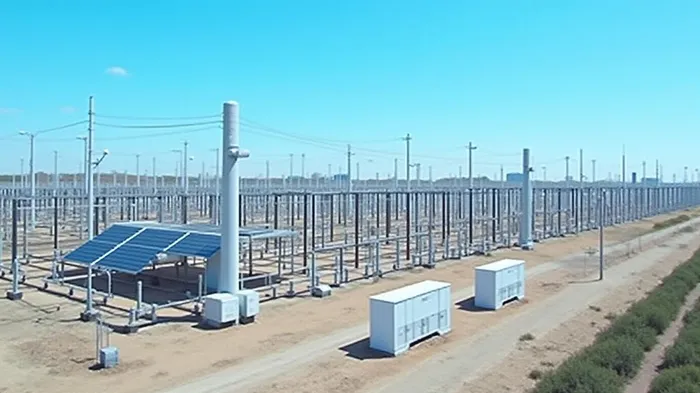
These projects are critical to addressing Texas's vulnerability to extreme weather, from hurricanes to winter storms. The CER Program's focus on underserved communities ensures equitable access to reliable, clean energy—a strategic move that aligns with federal priorities and reduces regulatory friction.
Vision 2027: A Blueprint for Decarbonization
CPS Energy's Vision 2027 Generation Plan targets a balanced energy mix of gas, solar, wind, and storage. By 2026, the 120 MW/480 MWh Alamo City ESS project (partnered with OCI Energy) will bolster its battery storage capacity to 520 MW, enabling grid stability and renewable integration. This project also includes a $250,000 community benefits agreement for educational initiatives at the University of Texas at San Antonio, reinforcing local buy-in and reducing political risks.
The utility's carbon reduction goals—41% by 2030, 71% by 2040, and carbon neutrality by 2050—are ambitious but achievable. These targets align with the Climate Action and Adaptation Plan (CAAP) and the broader push to decarbonize under federal and state regulations.
Regulatory Tailwinds and Cost-Effective Innovation
CPS Energy's efforts are bolstered by the Bipartisan Infrastructure Law's $10.5 billion Grid Reliability Program (GRIP), which funds grid resilience and clean energy projects. This federal backing reduces project risks and ensures steady funding streams.
Meanwhile, cost-effectiveness metrics highlight the financial wisdom of CPS's strategies:
- The Bring Your Own Thermostat (BYOT) program reduced peak demand by 44,343 kW and cut NOx emissions by 22,775 lbs annually.
- Residential Solar PV installations slashed GHG emissions by 174,458 tons, outperforming traditional energy procurement.
A Program Administrator Cost Test (PACT) analysis shows these programs deliver net benefits to CPS Energy, with solar and BYOT ranking among the most cost-effective initiatives. A 2024 study by Dunsky Energy Consulting further underscores the hidden value of distributed solar: each kWh avoids $0.27 in grid infrastructure and environmental costs—a benefit often unaccounted for in traditional analyses.
Why Invest Now?
CPS Energy's strategic alignment with federal incentives, coupled with its community-first approach, creates a compelling investment thesis:
1. Regulatory Safety Net: GRIP funding and state mandates reduce execution risks.
2. Decarbonization Premium: Early adopters of clean energy infrastructure often command higher valuations as global ESG standards tighten.
3. Demand Growth: Texas's population and energy needs are rising; CPS is future-proofing its grid to meet this demand sustainably.
Investors should note that CPS Energy's municipal status means it isn't publicly traded. However, its partnerships with companies like OCI Energy (OCI) and its reliance on battery storage technologies (e.g., Tesla's (TSLA) energy solutions) offer indirect exposure to its success.
Conclusion: A Model for the Energy Transition
CPS Energy is not merely adapting to the renewable revolution—it is leading it. By marrying cutting-edge grid modernization with carbon reduction goals, the utility is building a resilient, equitable, and profitable future. For investors, this represents a rare opportunity to capitalize on a utility that's ahead of the curve in a $3.5 trillion global energy transition. The time to act is now: as regulatory tailwinds strengthen and decarbonization becomes a non-negotiable, CPS Energy's early bets will pay dividends for decades to come.
The future of energy is here. CPS Energy is writing its blueprint—and investors should take note.

Stay ahead of the market.
Get curated U.S. market news, insights and key dates delivered to your inbox.




Comments
No comments yet