
Court Sides with Anthropic: AI Fair Use Ruling Sends Shockwaves Through Creative Industries
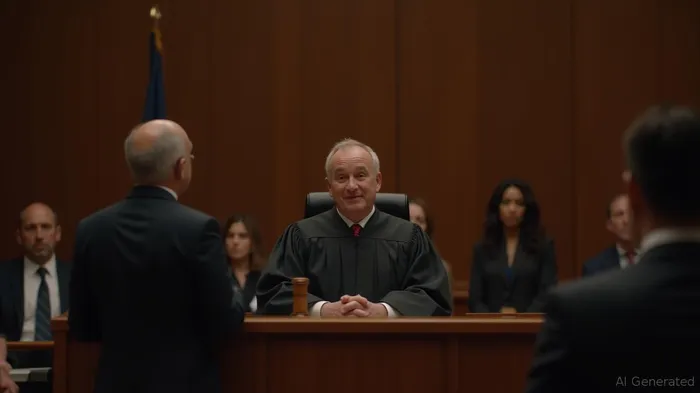
Federal Judge William Alsup has ruled that Anthropic's use of published books to train its AI models without authors' permission is lawful. This landmarkLARK-- decision marks the first judicial acknowledgment that the principle of fair use can exempt AI companies from liability when employing copyrighted materials to train large language models (LLMs).
This ruling delivers a significant blow to authors, artists, and publishers who have filed numerous lawsuits against companies such as OpenAI, MetaMETA--, Midjourney, and Google. Although Alsup's judgment does not ensure other judges will follow suit, it sets a precedent favoring technology firms over creators.
The outcome of such lawsuits typically hinges on a judge’s interpretation of fair use, a notoriously elusive exception in copyright law that has not been updated since 1976—before the internet's existence or the concept of generative AI training datasets.
Fair use decisions assess the purpose of the use, such as whether it's for parody or educationalEDUC-- aims, whether the use is for commercial gain, and the transformative nature of derivative works compared to the original. Despite the ambiguity, tech companies like Meta have similarly defended their training processes with fair use claims, though the judicial reception of such defenses remains uncertain.
In the specific case of Bartz vs. Anthropic, plaintiffs challenged the manner in which Anthropic obtained and stored their works. The lawsuit alleges that Anthropic sought to establish a 'Central Library,' collecting 'all the world's books' for perpetual storage. However, these millions of copyrighted books were reportedly downloaded from piracy sites, which is clearly illegal.
While Judge Alsup acknowledged that Anthropic's use of these materials for training could be justified as fair use, the court is set to review the future of the 'Central Library.' "We will examine the damages caused by the pirated copies used to create Anthropic's Central Library," Alsup stated in his ruling. "Anthropic’s subsequent purchase of a book it previously pirated does not absolve its theft, although it might adjust statutory damages."

Stay ahead of the market.
Get curated U.S. market news, insights and key dates delivered to your inbox.




Comments
No comments yet