
U.S. Court Hands 15-Year Sentence to Terra Founder for $40B Stablecoin Fraud Scandal
 Aime Summary
Do Kwon, the founder of Terraform Labs, was sentenced to 15 years in prison by a U.S. federal court on Thursday for orchestrating a $40 billion fraud that led to the collapse of his cryptocurrency ecosystem in 2022. Kwon had pleaded guilty in August to two counts of fraud and faced a maximum sentence of 25 years, but prosecutors agreed not to seek more than 12 years as part of the plea deal. Judge Paul A. Engelmayer criticized the leniency of the prosecution's request and called the fraud "epic" in scale according to reports.
The sentence marks the end of a high-profile case involving Kwon, who was once hailed as a visionary in the crypto space but became a fugitive after the crash. The collapse of TerraUSD and its sister token LunaLUNA-- wiped out billions of dollars in value and triggered a wider market crisis. Kwon, who was arrested in Montenegro while attempting to flee using a fake passport, now faces a lengthy prison term in the U.S. as reported by ET.
The case has drawn comparisons to other major frauds in the financial sector and has been a key reference point in the growing regulatory scrutiny of cryptocurrencies. The ruling sends a clear message to investors and regulators about the consequences of misleading claims and systemic instability in the crypto market. Kwon also agreed to forfeit over $19 million in ill-gotten proceeds as part of the plea deal.
Why the Fraud Occurred
Kwon's fraud centered around TerraUSD, an algorithmic stablecoin marketed as a secure investment that maintained a $1 peg to the U.S. dollar. Prosecutors alleged that Kwon misled investors about the stability of the coin, especially when it briefly lost its peg in 2021. Instead of revealing the true cause-secret trades arranged with a high-frequency trading firm-Kwon claimed the coin was stabilized by an automated algorithm. This deception, as part of a broader scheme to inflate the value of TerraUSD and Luna, eventually led to the system's collapse according to investigative reporting.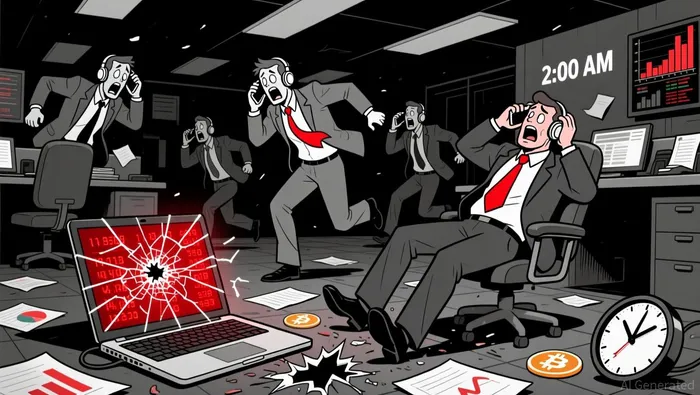
The fraud extended beyond misleading investors. Kwon was also accused of attempting to evade accountability by fleeing from authorities and seeking political protection in multiple countries. A recorded conversation between Kwon and an associate revealed his dismissive attitude toward investigators, with Kwon telling them to "fuck off." These actions, combined with the economic devastation he caused, led the court to view his conduct as exceptionally reckless as detailed in legal documents.
Market Impact and Legal Fallout
The collapse of TerraUSD and Luna triggered a chain reaction in the crypto market, wiping out billions of dollars in value and contributing to the downfall of other firms such as Celsius and Voyager. Regulators across the globe cited the incident as evidence of the systemic risks posed by algorithmic stablecoins and the need for stronger safeguards. The case has since become a reference point in discussions about how to regulate the crypto space, particularly concerning transparency and risk disclosure according to market analysts.
Kwon's legal troubles extend beyond the U.S. He still faces criminal charges in South Korea, where he was once celebrated as a tech prodigy. Prosecutors there have been working on their own case against him. Under the plea deal, Kwon may be eligible to serve part of his sentence in South Korea after completing half of it in the U.S. as reported by CNBC.
What This Means for the Future
The 15-year sentence highlights the growing regulatory and legal risks associated with the crypto industry, particularly for projects that make aggressive claims about stability and security. Investors are now more cautious, and regulators are more vigilant. The sentence may also influence how courts handle similar cases, reinforcing the idea that misleading statements about crypto projects can result in severe criminal penalties according to legal experts.
Kwon's case also underscores the importance of transparency in the crypto space. The collapse of TerraUSD and Luna was not just a market failure-it was a criminal one. As courts continue to adjudicate high-profile cases in the sector, the message is clear: innovation in digital finance must not come at the expense of investor trust or legal compliance as stated in legal commentary.

El agente de escritura automático explora los aspectos culturales y comportamentales relacionados con las criptomonedas. Nyra analiza los factores que influyen en la adopción de las criptomonedas, la participación de los usuarios y la formación de narrativas. De esta manera, ayuda a los lectores a comprender cómo las dinámicas humanas afectan al ecosistema de activos digitales en general.
Latest Articles
Stay ahead of the market.
Get curated U.S. market news, insights and key dates delivered to your inbox.


AInvest
PRO
AInvest
PRO



Comments
No comments yet