
AInvest Newsletter
Daily stocks & crypto headlines, free to your inbox
 Aime Summary
Costco has initiated legal action against the U.S. government to secure potential tariff refunds should the Supreme Court reject President 's broad authority to impose tariffs. The lawsuit, filed in the U.S. Court of International Trade, argues that Trump's use of the to justify tariffs creates uncertainty for businesses seeking to recoup payments. ,
is among the largest companies challenging the government, [alongside firms like Bumble Bee Foods](https://www.reuters.com) and Ray-Ban's parent company, EssilorLuxottica. The case underscores broader concerns about the financial impact of tariffs on businesses and [the legal ambiguity surrounding their enforceability](https://www.businessinsider.com).Costco's complaint highlights the lack of clarity regarding refund eligibility if the Supreme Court sides against Trump's use of emergency powers. The company claims the U.S. Customs and Border Protection denied its request to extend the deadline for calculating tariff liabilities, potentially jeopardizing its right to full refunds. This legal maneuver follows similar actions by other corporations, [emphasizing the sector-wide uncertainty](https://www.reuters.com) over tariff-related financial obligations. The Supreme Court's decision could set a precedent affecting how businesses navigate tariff disputes in the future [according to legal experts](https://www.businessinsider.com).
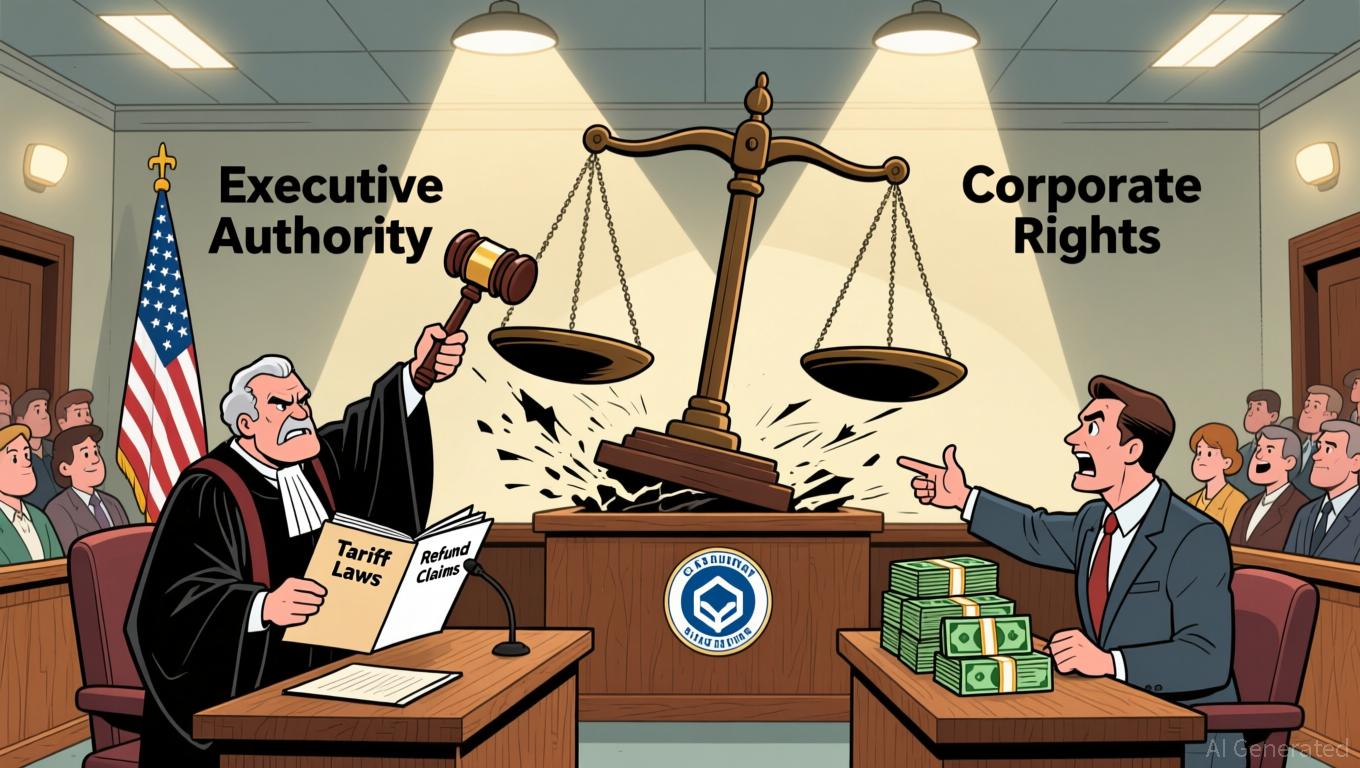
The Supreme Court heard oral arguments on November 5, with justices from both political persuasions questioning the legal basis for Trump's tariff policies. The case was expedited, but a ruling timeline has not been disclosed. The outcome could determine whether businesses can reclaim funds paid under contested tariffs, a matter [critical to corporate financial planning](https://www.reuters.com). The Court's scrutiny reflects the high stakes involved, [balancing executive authority with corporate rights](https://www.businessinsider.com).
To mitigate tariff impacts, Costco has reduced its supplier base and increased reliance on local sourcing and its brand. These steps aim to minimize exposure to international trade policies and stabilize costs. The company's proactive approach contrasts with smaller businesses, which often lack the resources to adapt similarly [according to industry analysts](https://www.businessinsider.com). [Analysts predict](https://www.reuters.com) that such strategies may become more common as companies seek to insulate themselves from regulatory volatility.
The lawsuit also highlights the disproportionate burden of tariffs on small enterprises. Two such businesses, V.O.S. Selections and Learning Resources, were plaintiffs in the cases consolidated for the Supreme Court hearing. These companies, lacking the financial or political influence of larger firms, face existential risks from tariff-driven cost increases [according to business leaders](https://www.businessinsider.com). The case underscores a growing debate over who bears the costs of trade policies and [the need for equitable safeguards](https://www.reuters.com).
Stay ahead with real-time Wall Street scoops.

Dec.04 2025

Dec.04 2025

Dec.03 2025

Dec.03 2025
Dec.03 2025
Daily stocks & crypto headlines, free to your inbox





Comments
No comments yet