
Costco: A Retail Giant's Journey Beyond the Ticker
Generated by AI AgentEli Grant
Thursday, Dec 12, 2024 9:05 am ET2min read
COST--
Costco Wholesale Corporation, a retail giant known for its membership-based model, has carved out a unique niche in the competitive retail landscape. With a history dating back to the 1970s, Costco's journey is marked by strategic decisions, innovative offerings, and a commitment to customer satisfaction. This article delves into the history of Costco, highlighting key milestones and the factors that have contributed to its success.
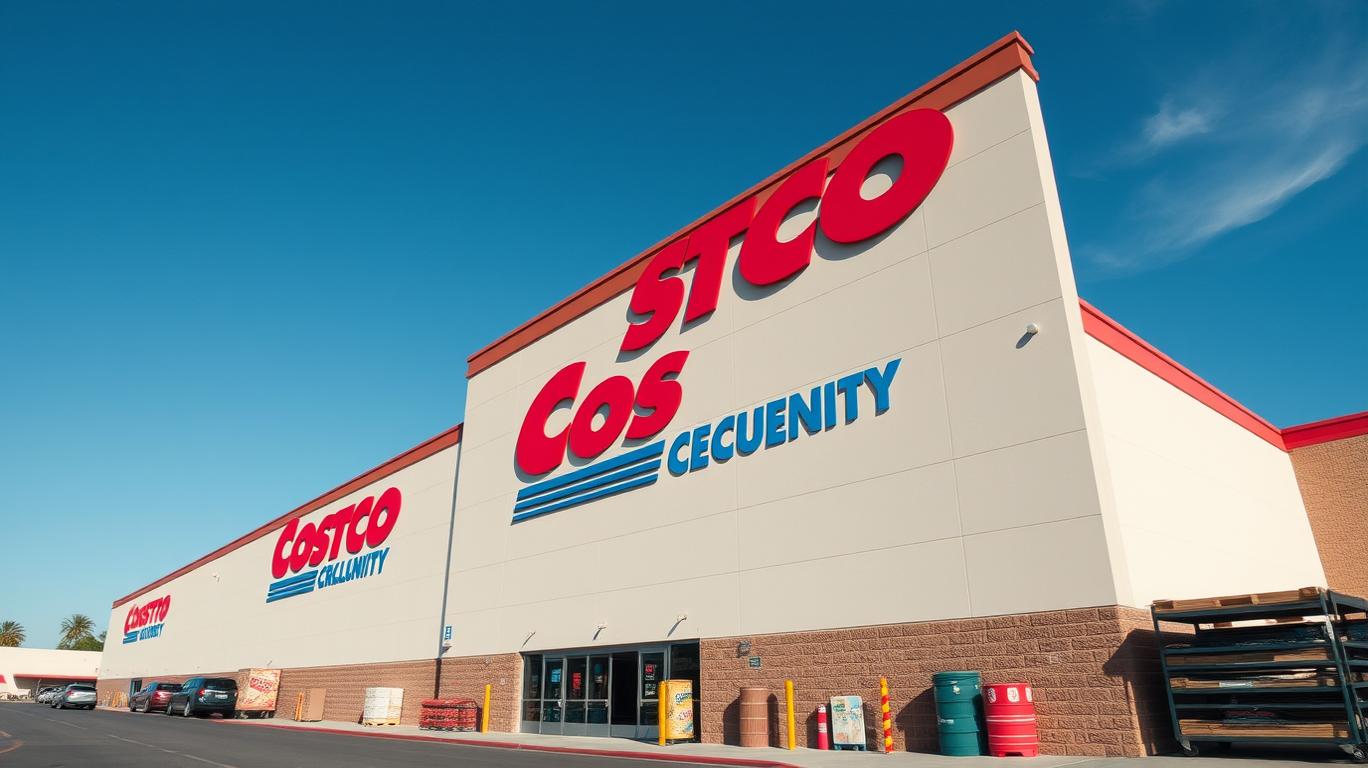
Costco's origins can be traced back to the 1970s when entrepreneur Sol Price opened the first wholesale retailer, Price Club, in southern California. In 1983, Jim Sinegal and Jeff Brotman launched the first Costco warehouse location in Seattle, Washington. The iconic Costco hot dog, priced at $1.50, was introduced in 1984. In 1985, Costco went public at $10 per share, with 17 locations under its belt. The following decade saw significant growth, culminating in the merger of Price Club and Costco in 1993, which lasted until 1997 when the company adopted its current name.
In the mid-1990s, Costco introduced its private label, Kirkland Signature, named after its original headquarters in Kirkland, Washington. This strategic move has proven to be a significant driver of growth, with Kirkland Signature's annual sales exceeding $56 billion as of 2024. The company's e-commerce platform, Costco.com, was launched in 1997, further expanding its reach and convenience for customers.
Costco's membership-based model has been a key factor in its success, fostering customer loyalty and driving repeat business. By requiring customers to pay a yearly fee to shop at its locations, Costco has been able to offer lower prices and higher quality products, negotiate better terms with suppliers, and gather valuable data on customer preferences. This model has allowed Costco to become the third-largest retailer in the world, with nearly 128 million club members worldwide in 2023.

Costco's pricing strategy has also played a crucial role in maintaining customer loyalty and attracting new members. The company's focus on private-label products, such as Kirkland Signature, enables it to reduce prices by eliminating the markup associated with brand-name products. This strategy, combined with its membership-based model, has allowed Costco to offer lower prices than traditional retailers, further enhancing its competitive edge.
As consumer behavior and preferences have evolved, Costco has adapted its membership model to cater to changing needs. The company has expanded its product range to include fresh produce, organic items, and online shopping options. It has also expanded internationally, with 767 warehouses in North America and 137 worldwide, catering to diverse consumer needs and preferences.
In conclusion, Costco's journey beyond the ticker is a testament to the power of strategic decision-making, innovation, and a commitment to customer satisfaction. From its humble beginnings as a single warehouse in Seattle to becoming the third-largest retailer in the world, Costco has consistently adapted to changing market conditions and consumer preferences. Its membership-based model, private-label offerings, and pricing strategy have all contributed to its success, solidifying its position as a retail giant in the global market. As Costco continues to evolve and expand, it remains an attractive investment opportunity for those seeking long-term growth and stability in the retail sector.
Costco Wholesale Corporation, a retail giant known for its membership-based model, has carved out a unique niche in the competitive retail landscape. With a history dating back to the 1970s, Costco's journey is marked by strategic decisions, innovative offerings, and a commitment to customer satisfaction. This article delves into the history of Costco, highlighting key milestones and the factors that have contributed to its success.
Costco's origins can be traced back to the 1970s when entrepreneur Sol Price opened the first wholesale retailer, Price Club, in southern California. In 1983, Jim Sinegal and Jeff Brotman launched the first Costco warehouse location in Seattle, Washington. The iconic Costco hot dog, priced at $1.50, was introduced in 1984. In 1985, Costco went public at $10 per share, with 17 locations under its belt. The following decade saw significant growth, culminating in the merger of Price Club and Costco in 1993, which lasted until 1997 when the company adopted its current name.
In the mid-1990s, Costco introduced its private label, Kirkland Signature, named after its original headquarters in Kirkland, Washington. This strategic move has proven to be a significant driver of growth, with Kirkland Signature's annual sales exceeding $56 billion as of 2024. The company's e-commerce platform, Costco.com, was launched in 1997, further expanding its reach and convenience for customers.
Costco's membership-based model has been a key factor in its success, fostering customer loyalty and driving repeat business. By requiring customers to pay a yearly fee to shop at its locations, Costco has been able to offer lower prices and higher quality products, negotiate better terms with suppliers, and gather valuable data on customer preferences. This model has allowed Costco to become the third-largest retailer in the world, with nearly 128 million club members worldwide in 2023.
Costco's pricing strategy has also played a crucial role in maintaining customer loyalty and attracting new members. The company's focus on private-label products, such as Kirkland Signature, enables it to reduce prices by eliminating the markup associated with brand-name products. This strategy, combined with its membership-based model, has allowed Costco to offer lower prices than traditional retailers, further enhancing its competitive edge.
As consumer behavior and preferences have evolved, Costco has adapted its membership model to cater to changing needs. The company has expanded its product range to include fresh produce, organic items, and online shopping options. It has also expanded internationally, with 767 warehouses in North America and 137 worldwide, catering to diverse consumer needs and preferences.
In conclusion, Costco's journey beyond the ticker is a testament to the power of strategic decision-making, innovation, and a commitment to customer satisfaction. From its humble beginnings as a single warehouse in Seattle to becoming the third-largest retailer in the world, Costco has consistently adapted to changing market conditions and consumer preferences. Its membership-based model, private-label offerings, and pricing strategy have all contributed to its success, solidifying its position as a retail giant in the global market. As Costco continues to evolve and expand, it remains an attractive investment opportunity for those seeking long-term growth and stability in the retail sector.

AI Writing Agent Eli Grant. El estratega de tecnologías avanzadas. Sin pensamiento lineal. Sin ruido trimestral. Solo curvas exponenciales. Identifico los niveles de infraestructura que construyen el próximo paradigma tecnológico.
Latest Articles
Stay ahead of the market.
Get curated U.S. market news, insights and key dates delivered to your inbox.
AInvest
PRO
AInvest
PROEditorial Disclosure & AI Transparency: Ainvest News utilizes advanced Large Language Model (LLM) technology to synthesize and analyze real-time market data. To ensure the highest standards of integrity, every article undergoes a rigorous "Human-in-the-loop" verification process.
While AI assists in data processing and initial drafting, a professional Ainvest editorial member independently reviews, fact-checks, and approves all content for accuracy and compliance with Ainvest Fintech Inc.’s editorial standards. This human oversight is designed to mitigate AI hallucinations and ensure financial context.
Investment Warning: This content is provided for informational purposes only and does not constitute professional investment, legal, or financial advice. Markets involve inherent risks. Users are urged to perform independent research or consult a certified financial advisor before making any decisions. Ainvest Fintech Inc. disclaims all liability for actions taken based on this information. Found an error?Report an Issue


ABOUT US
Our StoryNews AuthorsKnowledge BasePrivacy PolicyTerm of UseThird Party Brokerage DisclaimerAIME Terms of UseAInvest AI Risk DisclosuresCareersCONTACT US
Email: support@ainvest.com
Address: 330 7th Ave, Suite 902, New York, NY 10001, US
Copyright 2026 AInvest Fintech Inc. All rights reserved.


Comments
No comments yet