
The Cost of Conflict: How Ackman-Carlson Feud Highlights Reputation Risk in Markets
The public clash between billionaire investor Bill Ackman and Fox News host Tucker Carlson in July 2025 has ignited a debate far beyond media circles: it underscores how high-stakes reputation battles can ripple through financial markets, altering investor trust and corporate valuations. This article examines the implications of their dispute for investors, exploring how reputational risk shapes market sentiment and offering strategies to navigate such volatility.
The Dispute: A Clash of Public Figures
Carlson's July 2025 attack on Ackman at a Turning Point USA event in Tampa, Florida, framed the billionaire as an emblem of "unimpressive" wealth accumulation, questioning how he amassed a $9 billion fortune and insinuating ties to controversial figures like Jeffrey Epstein. On his Fox News show, Carlson amplified these claims, accusing Ackman of market manipulation—a serious allegation requiring no prior fact-checking.
Ackman's rebuttal, a 2000-word manifesto on X, was a masterclass in reputation management. He dissected his career, acknowledged advantages from his upbringing, and directly refuted Carlson's claims. Notably, he accused Carlson of dishonesty, citing a broken promise to correct the record after a private conversation and repeating false statements to provoke a public response. The feud deepened as Ackman linked Carlson's rhetoric to broader political shifts, alleging anti-Semitic undertones in his recent commentary on Israel and the Middle East.
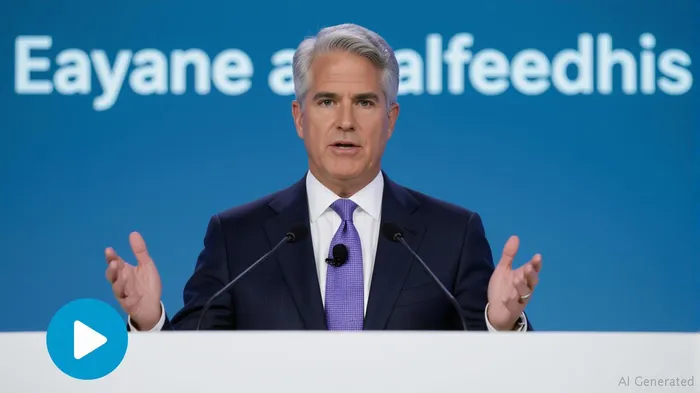
Reputation Risk: A Double-Edged Sword for Investors
Reputation is a critical asset for figures like Ackman, whose influence extends beyond Pershing Square Holdings to shape market narratives. A public confrontation with a media powerhouse like Carlson tests this asset in two ways:
1. Credibility Erosion: Even unfounded accusations can seed doubt among investors, particularly if the target lacks a clear, unified response. Ackman's detailed rebuttal sought to preempt this, but the mere existence of the dispute may have prompted some investors to reassess his leadership.
2. Strategic Leverage: A robust defense, however, can reinforce trust. By addressing Carlson's claims head-on, Ackman may have mitigated long-term damage, though the psychological impact of the conflict on Pershing Square's stakeholders remains uncertain.
Investors should analyze whether PSH's stock reacted to the feud or remained insulated, signaling market confidence in Ackman's ability to separate personal reputation from corporate value.
Market Impact: Perception vs. Reality
While Pershing Square's stock performance during the dispute may reveal direct financial effects, the broader market impact lies in investor trust dynamics. High-profile figures like Ackman act as "sentiment anchors"—their credibility influences not just their own holdings but also sectors they dominate (e.g., consumer goods, real estate).
The Carlson-Ackman feud also highlights how media-driven narratives can distort investment climates. For instance, if investors perceive Ackman as increasingly embattled, they might divest from Pershing Square's portfolio companies or demand higher risk premiums. Conversely, if his rebuttal is seen as decisive, it could bolster confidence in his strategic acumen.
Broader Lessons: Reputation-Driven Volatility
This dispute mirrors historical cases where public figures' conflicts reshaped markets. Consider Elon Musk's Twitter-era legal battles or Warren Buffett's reputation as a "value investor" insulated by decades of consistent performance. The key takeaway is that reputation risk is now a core component of investment analysis, especially for firms led by charismatic, polarizing leaders.
Investors should ask:
- How insulated is the firm's value from the CEO's personal reputation? (e.g., Can Pershing Square outperform even if Ackman's profile declines?)
- What governance structures exist to buffer against leadership-specific risks?
- How might the CEO's public persona align or clash with broader market trends? (e.g., Ackman's criticism of tariffs vs. pro-Trump political capital).
Investment Strategy: Navigating Reputation-Driven Markets
- Monitor Media and Social Sentiment: Track how public figures' conflicts spill into financial narratives. Tools like social media sentiment analysis or news sentiment indices can flag early reputational threats.
- Diversify Exposure: Avoid over-reliance on firms led by single individuals, particularly those in high-visibility industries.
- Assess the Rebuttal's Substance: Did Ackman's response address core concerns (e.g., market manipulation) or merely deflect? A credible defense can turn the tide.
- Watch for Secondary Effects: Reputational damage may indirectly affect financing costs, partnerships, or regulatory scrutiny—key factors in long-term valuation.
Conclusion: Reputational Risk is the New Alpha
The Ackman-Carlson feud is more than a media spectacle—it's a cautionary tale for investors. In an era where public personas shape market outcomes, understanding reputation risk is essential. While Pershing Square's immediate stock performance may offer clues, the broader lesson is clear: leaders who manage their reputations proactively can turn volatility into opportunity. For investors, this means treating reputation as a quantifiable asset—one that, when mismanaged, can crater even the most robust balance sheet.
As markets grow more interconnected and vocal, the line between personal credibility and corporate value continues to blur. The next time a high-profile feud erupts, investors must ask: Who's managing their reputation well—and who's about to pay the price?

Stay ahead of the market.
Get curated U.S. market news, insights and key dates delivered to your inbox.


AInvest
PRO
AInvest
PRO



Comments
No comments yet