
Cosmos Hub (CATE) Architecture and ATOM Token Utility Mechanics
 Aime Summary
- Cosmos Hub enables interoperability between independent blockchains via a hub-and-spoke architecture utilizing Proof-of-Stake consensus .
- The native ATOM token fulfills three critical economic roles: paying transaction fees, securing the network through staking, and facilitating on-chain governance .
- This structure creates a multi-asset distributed ledger where security and governance are directly aligned through economic incentives .
- The network's design contrasts with Proof-of-Work systems by employing efficient cross-chain communication protocols .
The CosmosATOM-- network operates as a collection of independent, parallel blockchains referred to as zones, which utilize Byzantine fault-tolerant consensus protocols like Tendermint . This architectural approach allows zones to interoperate through shared hubs without the need for intermediaries, effectively addressing interoperability limitations found in other blockchain systems . The Cosmos Hub acts as a central interoperability layer, allowing various zones to connect and exchange tokens seamlessly . This hub-and-spoke model is fundamental to the network's ability to support a diverse ecosystem of specialized blockchains .
What Functions Does the ATOM Token Serve in the Cosmos Ecosystem?
The ATOM token is central to the Hub's economic security and functionality, serving three primary use cases . First, ATOM acts as a spam-prevention mechanism by covering transaction fees, similar to Ethereum's gas model where costs are proportional to computational requirements . This fee structure ensures that the network remains efficient and resistant to abuse . Second, ATOM serves as a staking token, allowing users to bond their assets to earn block rewards . The economic security of the Cosmos Hub is directly tied to the volume of staked ATOM . Higher collateralization increases the cost of attacking the network, thereby enhancing its overall resilience .
Third, ATOM facilitates governance, allowing holders to vote on proposals and participate in decentralized decision-making . This structure ensures that network upgrades and parameter changes are managed by the community . The alignment of these functions creates a robust economic model where security and governance are intrinsically linked . Holders can thus influence the direction of the network while contributing to its security .
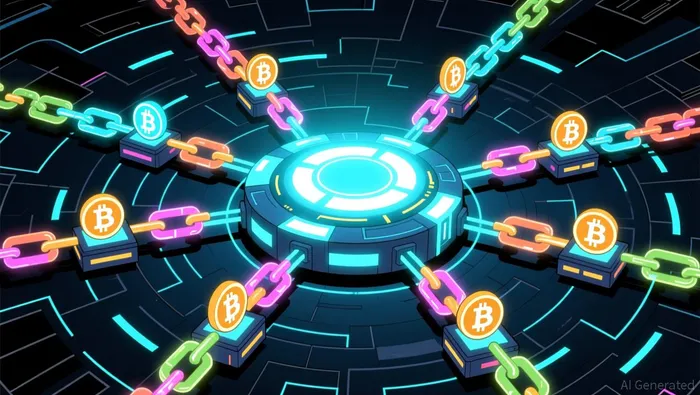
How Does the Cosmos Hub Architecture Ensure Network Security and Interoperability?
The network relies on Proof-of-Stake algorithms to enable efficient cross-chain communication . This approach contrasts with traditional Proof-of-Work systems by offering greater energy efficiency and faster finality . The use of Tendermint consensus allows for high throughput and deterministic finality . Zones within the ecosystem can communicate directly through the Hub, bypassing the need for complex bridging solutions . This direct interoperability reduces the attack surface associated with third-party bridges .
The economic incentives embedded in the ATOM token further strengthen the network's security posture . By requiring stakeholders to bond their assets, the network ensures that participants have a vested interest in maintaining its integrity . This model discourages malicious behavior and aligns the interests of validators with the long-term health of the ecosystem . The result is a decentralized ledger that is both secure and highly interoperable .
The Cosmos Hub's design represents a significant advancement in blockchain interoperability . By enabling independent blockchains to communicate seamlessly, it fosters a more connected and efficient digital asset ecosystem . The multifaceted role of the ATOM token ensures that this infrastructure is supported by a robust economic model . As the network continues to grow, its architecture provides a scalable foundation for future innovation .

Blending traditional trading wisdom with cutting-edge cryptocurrency insights.
Latest Articles
Stay ahead of the market.
Get curated U.S. market news, insights and key dates delivered to your inbox.


AInvest
PRO
AInvest
PRO




Comments
No comments yet