
Corruption Risks in Infrastructure-Heavy Emerging Markets: Lessons from the Philippines


 Aime Summary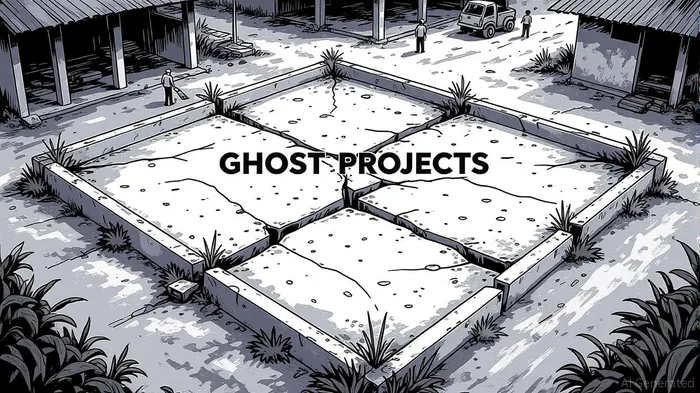
The Philippines' recent infrastructure corruption scandals have laid bare the systemic vulnerabilities that plague infrastructure equities and public-private partnerships (PPPs) in emerging markets. , , leaving substandard infrastructure to exacerbate climate risks and public distrust. These revelations, coupled with the exposure of a “pie-sharing” corruption system involving politicians, contractors, and officials, highlight how governance failures in infrastructure-heavy economies can erode investor confidence and derail long-term development.
The Philippines: A Case Study in Systemic Risk
The 2023 typhoon season became a catalyst for public outrage when flood control projects—many labeled as “ghost projects”—were found to be either incomplete or poorly constructed. . , resulting in underbuilt dikes, inadequate drainage systems, and recurring flooding in vulnerable areas.
For infrastructure equities, the implications are stark. Investors face heightened risks of capital misallocation and reputational damage in markets where institutional weaknesses persist. , the flood control scandal has amplified concerns about transparency. The U.S. Department of State's 2024 Investment Climate Statement explicitly cited corruption and poor infrastructure as barriers to foreign direct investment (FDI), despite reforms like the CREATE Act and 100% foreign ownership laws.
Structural Vulnerabilities in PPP Frameworks
Public-private partnerships (PPPs) in the Philippines, particularly the Build-Operate-Transfer (BOT) model, have also been exposed to governance risks. A 2023 study by Jack B. Isolana on PPP public market projects revealed critical flaws:
- Lack of knowledge transfer: Most PPP/BOT contracts fail to include mechanisms for transferring managerial skills from private partners to local government employees, undermining long-term capacity building.
- Political interference: Projects like the Bocaue Public Market were terminated due to local political partisanship, while others, such as Cagayan de Oro's Carmen and Cogon markets, were reclaimed by city governments citing revenue concerns.
- Financial strain: Terminated projects forced local governments to take untimely bank loans to reimburse private partners, exacerbating fiscal vulnerabilities.
These structural weaknesses are compounded by the Philippines' history of grand corruption in infrastructure, including the Bataan Nuclear Power Plant and National Broadband Network scandals. The lack of institutional preparedness and transparency in procurement processes creates fertile ground for graft, deterring private-sector participation in PPPs.
Investment Implications and Risk Mitigation Strategies
For investors, the Philippines' experience underscores the need for rigorous due diligence in infrastructure-heavy emerging markets. Key considerations include:
1. Verifiable Oversight: Prioritize projects with international partners or blockchain-based procurement tools to ensure transparency.
2. Civil Society Engagement: Support initiatives like the Philippine Center for Investigative Journalism's flood control data analysis to monitor public spending.
3. Political Risk Assessment: Evaluate the stability of local governance structures and the likelihood of political interference in PPP contracts.
While the Philippines' “Build, Better, , systemic governance challenges remain a red flag. Investors should balance optimism about macroeconomic growth with caution regarding institutional weaknesses. Comparative examples from Ukraine and South Korea—where robust anti-corruption reforms restored investor trust—demonstrate that systemic change is possible but requires sustained political will.
Conclusion
The Philippines' infrastructure corruption scandals serve as a cautionary tale for emerging markets. Governance failures in infrastructure equities and PPPs not only waste public resources but also deter long-term investment. For investors, the path forward lies in prioritizing transparency, leveraging technology for accountability, and engaging with civil society to mitigate risks. Until institutional reforms address the root causes of corruption, infrastructure-heavy emerging markets will remain fraught with volatility, demanding a strategic and cautious approach.

Stay ahead of the market.
Get curated U.S. market news, insights and key dates delivered to your inbox.






Comments
No comments yet