
"Coroner finds two opportunities to prevent great-grandmother's death after gallbladder surgery in South Australia"
ByAinvest
Thursday, Jun 12, 2025 12:18 am ET1min read
ADVB--
The case underscores the challenges of diagnosing and managing gallbladder injuries, particularly in elderly patients. Traumatic gallbladder injuries are rare, but their diagnosis can be difficult due to non-specific clinical symptoms and imaging findings, often leading to intraoperative discovery [1]. The patient's case highlights the importance of early recognition and timely surgical management, which can prevent serious complications such as biliary peritonitis and multi-organ failure.
The inquest also emphasizes the need for advanced imaging techniques to enhance diagnostic capabilities. CT cholangiogram, for instance, can provide detailed visualization of the biliary tree and help surgeons identify potential complications before surgery. This is particularly important in high-risk patients, such as those with known risk factors for gallbladder distension, such as prolonged fasting [1].
The case is not an isolated incident. The prevalence of gallstone disease has risen over the past three decades, and management of biliary diseases is complex and necessitates careful case-by-case consideration [2]. Advancements in imaging techniques have enhanced the ability to detect and characterize gallbladder diseases, facilitating timely surgical interventions and improving patient outcomes. However, access to these advanced imaging facilities is not always guaranteed, particularly in regional or rural hospitals.
The coroner's recommendation for providing CT cholangiogram facilities is a step in the right direction. It underscores the importance of investing in healthcare infrastructure to prevent similar tragedies in the future. For investors and financial professionals, this case highlights the potential for market opportunities in advanced healthcare technologies, particularly in the imaging sector.
References:
[1] Unalp-Arida A, Ruhl CE (2023) Increasing gallstone disease prevalence and associations with gallbladder and biliary tract mortality in the US. Hepatol Baltim Md 77:1882–1895. [https://doi.org/10.1097/HEP.0000000000000264](https://doi.org/10.1097/HEP.0000000000000264)
[2] Sauerland S, Langenbach MR (2023) Managing symptomatic gallstone disease. BMJ 383:p2624. [https://doi.org/10.1136/bmj.p2624](https://doi.org/10.1136/bmj.p2624)
AMLP--
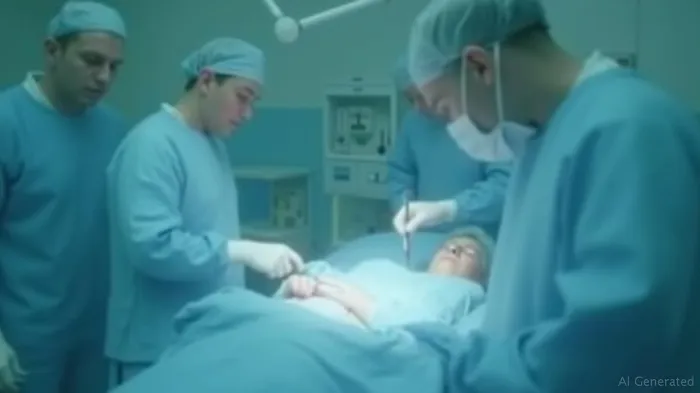
A great-grandmother who died after gallbladder surgery at Clare Hospital in South Australia could have been saved if a surgeon had abandoned the procedure earlier or had access to a CT scan. The inquest found that the surgeon "clipped the wrong structures" during surgery, causing a significant bleed and multiple organ failure. The coroner recommended that the health minister consider providing CT cholangiogram facilities to prevent similar deaths in the future.
A recent inquest into the death of a 99-year-old woman at Clare Hospital in South Australia has brought to light the critical role of advanced imaging in gallbladder surgery. The patient, who had no significant medical history, developed acute abdominal pain after a fall. The inquest found that a surgeon clipped the wrong structures during the procedure, leading to a significant bleed and multiple organ failure. The coroner recommended that the health minister consider providing CT cholangiogram facilities to prevent similar deaths in the future.The case underscores the challenges of diagnosing and managing gallbladder injuries, particularly in elderly patients. Traumatic gallbladder injuries are rare, but their diagnosis can be difficult due to non-specific clinical symptoms and imaging findings, often leading to intraoperative discovery [1]. The patient's case highlights the importance of early recognition and timely surgical management, which can prevent serious complications such as biliary peritonitis and multi-organ failure.
The inquest also emphasizes the need for advanced imaging techniques to enhance diagnostic capabilities. CT cholangiogram, for instance, can provide detailed visualization of the biliary tree and help surgeons identify potential complications before surgery. This is particularly important in high-risk patients, such as those with known risk factors for gallbladder distension, such as prolonged fasting [1].
The case is not an isolated incident. The prevalence of gallstone disease has risen over the past three decades, and management of biliary diseases is complex and necessitates careful case-by-case consideration [2]. Advancements in imaging techniques have enhanced the ability to detect and characterize gallbladder diseases, facilitating timely surgical interventions and improving patient outcomes. However, access to these advanced imaging facilities is not always guaranteed, particularly in regional or rural hospitals.
The coroner's recommendation for providing CT cholangiogram facilities is a step in the right direction. It underscores the importance of investing in healthcare infrastructure to prevent similar tragedies in the future. For investors and financial professionals, this case highlights the potential for market opportunities in advanced healthcare technologies, particularly in the imaging sector.
References:
[1] Unalp-Arida A, Ruhl CE (2023) Increasing gallstone disease prevalence and associations with gallbladder and biliary tract mortality in the US. Hepatol Baltim Md 77:1882–1895. [https://doi.org/10.1097/HEP.0000000000000264](https://doi.org/10.1097/HEP.0000000000000264)
[2] Sauerland S, Langenbach MR (2023) Managing symptomatic gallstone disease. BMJ 383:p2624. [https://doi.org/10.1136/bmj.p2624](https://doi.org/10.1136/bmj.p2624)
Stay ahead of the market.
Get curated U.S. market news, insights and key dates delivered to your inbox.
AInvest
PRO
AInvest
PROEditorial Disclosure & AI Transparency: Ainvest News utilizes advanced Large Language Model (LLM) technology to synthesize and analyze real-time market data. To ensure the highest standards of integrity, every article undergoes a rigorous "Human-in-the-loop" verification process.
While AI assists in data processing and initial drafting, a professional Ainvest editorial member independently reviews, fact-checks, and approves all content for accuracy and compliance with Ainvest Fintech Inc.’s editorial standards. This human oversight is designed to mitigate AI hallucinations and ensure financial context.
Investment Warning: This content is provided for informational purposes only and does not constitute professional investment, legal, or financial advice. Markets involve inherent risks. Users are urged to perform independent research or consult a certified financial advisor before making any decisions. Ainvest Fintech Inc. disclaims all liability for actions taken based on this information. Found an error?Report an Issue


ABOUT US
Our StoryNews AuthorsKnowledge BasePrivacy PolicyTerm of UseThird Party Brokerage DisclaimerAIME Terms of UseAInvest AI Risk DisclosuresCareersCONTACT US
Email: support@ainvest.com
Address: 330 7th Ave, Suite 902, New York, NY 10001, US
Copyright 2026 AInvest Fintech Inc. All rights reserved.


Comments
No comments yet