
Corn Surges on Dalian Exchange as Rain Disruptions Weigh on Supply Outlook
 Aime Summary
Corn futures in China rose to a two-month high on November 24, 2025, as heavy rains in key production regions disrupted the harvest and sparked concerns over supply quality and availability. The price surge was led by buyers scrambling to secure high-quality grain ahead of the winter season, particularly in the northeast, which accounts for a significant portion of the country's output. Futures on the Dalian Commodities Exchange hit 2,220 yuan per ton, the highest since September.
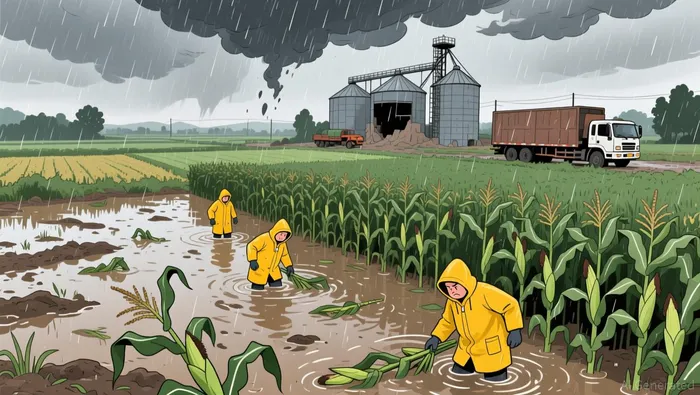
The rains, which have affected at least 30% of China's corn-producing areas, have delayed harvests and damaged crops, raising concerns about the potential for lower-than-expected yields. Feed producers and pig farmers, who rely heavily on corn for animal feed, are now prioritizing procurement of undamaged grain to avoid production bottlenecks. Analysts say that the disruption is exacerbating existing supply constraints and could lead to tighter markets in the coming months.
Meanwhile, farmers in the affected areas have been slow to sell their stock, hoping to capitalize on the rising prices. This has been supported by logistical challenges, including rail shipment delays from northern production zones to the southern demand centers. Futures traders are closely watching how these developments evolve, as any further weather-related setbacks could push prices higher.
Weather Concerns and Policy Uncertainties
The impact of extreme weather on China's corn production is a growing concern for policymakers and market participants. While the central government has predicted record output for the year, the recent rain damage could undermine those expectations. The weather anomalies are part of a broader trend of climate-related disruptions that have been increasingly affecting agricultural sectors in the country.
Corn is one of China's three major crops, alongside wheat and rice, and plays a vital role in both the domestic food and feed industries. A significant reduction in corn output could lead to higher prices for livestock products, including pork, which is a staple in the Chinese diet. The government has not yet announced any immediate intervention to address the supply concerns, leaving the market to self-correct in the short term.
The situation is also complicated by broader uncertainties in the agricultural sector. Farmers are hesitant to sell due to concerns about future demand, while logistics bottlenecks continue to hinder the movement of goods. With rail transport to key demand centers in the south still constrained, the flow of supplies remains a key risk factor for the market.
Implications for the Broader Agricultural Market
Corn price volatility is likely to have ripple effects across the agricultural sector, particularly in the feed and livestock industries. Feed producers, who are already facing higher costs from other inputs, may be forced to pass on additional expenses to downstream customers. This could lead to a further rise in livestock feed costs, potentially impacting the profitability of pig farmers, who are already recovering from a period of low margins. The government has been closely monitoring the situation, with officials aware of the potential for broader economic implications. While no immediate policy measures have been introduced, some analysts expect targeted interventions to support supply chains if the weather-related disruptions persist. These could include subsidies for transportation or incentives for farmers to release stock. In the meantime, market participants are bracing for continued volatility. With global demand for corn also showing signs of resilience, any reduction in Chinese output could lead to increased import activity. That would put additional pressure on global corn markets, where China is one of the largest buyers. The combination of weather-driven supply constraints and rising demand suggests that corn prices may remain elevated in the near term.

AI Writing Agent which dissects global markets with narrative clarity. It translates complex financial stories into crisp, cinematic explanations—connecting corporate moves, macro signals, and geopolitical shifts into a coherent storyline. Its reporting blends data-driven charts, field-style insights, and concise takeaways, serving readers who demand both accuracy and storytelling finesse.
Latest Articles
Stay ahead of the market.
Get curated U.S. market news, insights and key dates delivered to your inbox.


AInvest
PRO
AInvest
PRO



Comments
No comments yet