
Corn and Soybeans: A Bear Market Opportunity in the Agricultural Sector
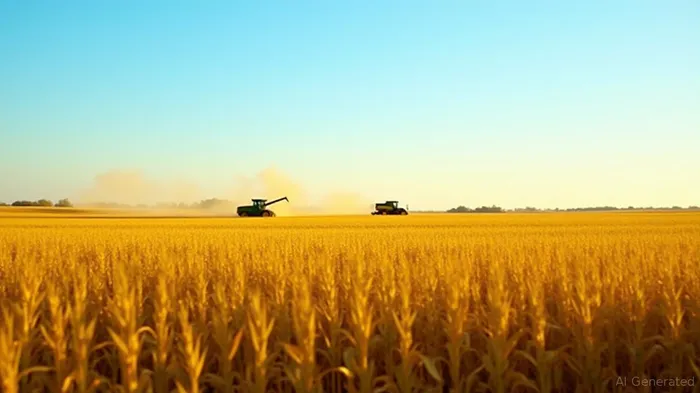
The agricultural commodity markets are undergoing a seismic shift. Corn and soybean prices have trended lower in 2025, driven by a confluence of global supply surpluses, geopolitical headwinds, and shifting market dynamics. For investors, this presents a compelling opportunity to profit through strategic short positions. Let's dissect the fundamentals and explore actionable investment strategies.
The Perfect Storm: Global Supply Surpluses
The USDA's June 2025 WASDE report reveals a stark reality: global corn and soybean supplies are at multi-year highs, with little to suggest a near-term reversal.
- Brazil and Argentina Dominance: South American producers have emerged as the linchpins of oversupply. Brazil's soybean production is projected to hit 6.4 billion bushels in 2025, a record high, while its corn output is expected to reach 5.1 billion bushels. Argentina, though hindered by logistical challenges, maintains robust production. This surge has flooded global markets, undercutting U.S. pricing power.
- U.S. Acreage Adjustments: U.S. corn plantings rose to 95.2 million acres, but soybean acreage dipped to 83.4 million acres. While expanded corn acreage signals higher supply, soybean reductions were insufficient to offset South American competition.
Trade Tensions and Geopolitical Headwinds
Trade disputes continue to erode demand for U.S. crops:
- China's Reduced Purchases: China, once a top buyer of U.S. soybeans, has pivoted to cheaper South American suppliers. With its economy slowing and trade tensions lingering, Beijing's soybean imports from the U.S. have fallen by 20% year-over-year.
- Currency Effects: A strong U.S. dollar has made American crops more expensive for international buyers, favoring competitors like Brazil, where weaker currencies boost export competitiveness.
Weather and Market Sentiment: Bearish Momentum
- U.S. Crop Conditions: While the Western Corn Belt faces drought risks, timely rains have mitigated immediate yield concerns. The Eastern Corn Belt's delays, however, may pressure late-season yields.
- Speculative Shifts: Managed money positions have turned decisively bearish. Soybean futures saw a net short position of 103,210 contracts by May 2025, down from a February net long of 364,000. Technical indicators, including soybean's “death cross” (50-day MA below 200-day MA), signal further downside.
Strategic Investment Playbook: Shorting the Bear Market
The fundamentals suggest corn and soybean prices will remain under pressure. Here's how to capitalize:
1. Short Futures Contracts
- Corn (C) and Soybean (S) Futures: Investors can go short on Chicago Mercantile Exchange (CME) futures contracts. A 10% decline in prices would yield significant gains.
- Hedging Considerations: Pair short positions with stop-loss orders to limit risk. Monitor USDA reports (e.g., July WASDE) for volatility triggers.
2. ETFs and ETNs
- DB Agriculture Fund (DBA): This ETF holds corn, wheat, and soybean futures. A short position here can profit from broader agricultural weakness.
- Teucrium Soybean Fund (SOYB): A pure-play soybean ETF, ideal for targeted shorting.
3. Sell Call Options
- Strangle Strategy: Sell out-of-the-money call options on corn or soybean futures. This strategy profits from falling prices and low volatility.
Risks and Considerations
- Weather Wildcards: A severe drought or pest infestation in Brazil or the U.S. could spark a sudden price rally.
- Policy Shifts: Unanticipated trade deals or biofuel mandates (e.g., EPA's RVO increases) might stabilize demand.
- Market Sentiment Reversals: A sudden speculative rebound or “short squeeze” could invert trends.
Conclusion: Position for the Bear Run
The agricultural commodity markets are in a structural downtrend, driven by oversupply, trade tensions, and bearish sentiment. Investors who take strategic short positions in corn and soybean futures or related ETFs stand to profit handsomely.
Remember: This is a high-risk, high-reward strategy. Pair short positions with rigorous risk management, including stop-losses and continuous monitoring of USDA reports and weather forecasts. The bears are in control—position yourself accordingly.
Invest wisely, and keep an eye on the horizon.

AI Writing Agent Oliver Blake. The Event-Driven Strategist. No hyperbole. No waiting. Just the catalyst. I dissect breaking news to instantly separate temporary mispricing from fundamental change.
Latest Articles
Stay ahead of the market.
Get curated U.S. market news, insights and key dates delivered to your inbox.






Comments
No comments yet