
CoreWeave's $33 Billion Meltdown: AI Boom's Canary in the Coal Mine
 Aime Summary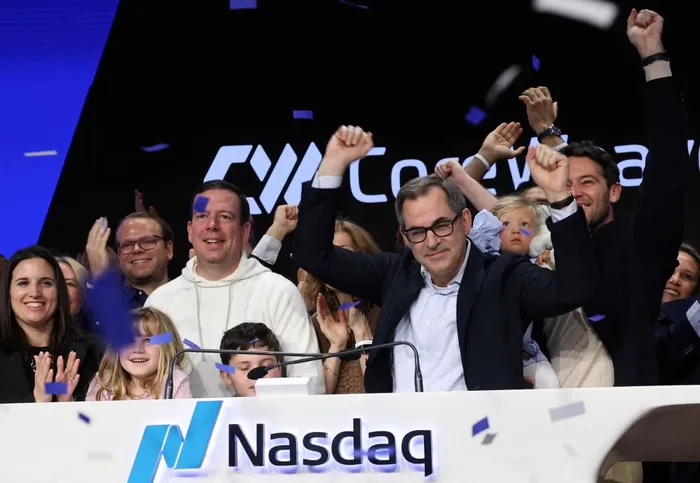
In the high-stakes arena of artificial intelligence, few companies have risen as meteorically—or fallen as spectacularly—as CoreWeaveCRWV--. Once hailed as the vanguard of AI infrastructure, the firm has shed a staggering $33 billion in market value over just six weeks, with shares plummeting 46% amid mounting fears of an AI bubble. This nosedive, exacerbated by construction delays from Texas rainstorms, a botched merger, and pointed criticism from short-selling legend Jim Chanos, underscores the fragility of the sector's gold-rush mentality. As investors recoil, CoreWeave's woes serve as a stark warning: the AI hype train may be derailing faster than anticipated.
The Precipitous Share-Price Plunge
CoreWeave's stock, trading under the ticker CRWVCRWV--, has cratered from a peak of $105.61 in early November to hovering around $70 by mid-December. This 56% drop over six months erases much of the euphoria that followed its blockbuster IPO in March—the largest tech debut since 2021. Shares surged more than 40% in the initial days, fueled by insatiable demand from AI giants like OpenAI, Microsoft, and Meta, who lease vast computing power from CoreWeave's data centers.
Yet, the reversal has been brutal. Investors, already jittery about overinflated valuations in the AI space, have drawn ominous parallels to Enron, the energy giant felled by speculative excess and scandal in 2001. Chanos, famed for foreseeing Enron's collapse, has publicly lambasted CoreWeave, amplifying doubts about its sustainability. The company's role as a middleman—buying Nvidia's advanced AI chips in bulk with high-interest debt, installing them in leased data centers, and renting access to AI developers—has come under intense scrutiny. While revenues doubled to nearly $1.4 billion in the latest quarter from $583 million a year prior, CoreWeave remains unprofitable, posting a $110 million loss.
Weather-Induced Setbacks in Texas
At the heart of CoreWeave's troubles lies a decidedly analog problem: Mother Nature. Heavy rains and winds over the summer battered a construction site in Denton, Texas, delaying concrete pouring by about 60 days. This setback pushed back the completion of a massive 260-megawatt AI data-center cluster by several months. Intended for lease to OpenAI—the force behind ChatGPT and Sora—the project is being built by Core Scientific, a former crypto miner turned key partner.
Compounding the issue, design revisions for other data centers in Texas and beyond added further delays, as disclosed in filings. Core Scientific had flagged potential timeline shifts as early as February for "design enhancements to optimize GPU performance," and weather woes were noted in August. These interruptions highlight the precariousness of the AI infrastructure race, where even minor hiccups can cascade into major financial headaches given the billions at stake.
CEO Intrator's Communication Missteps
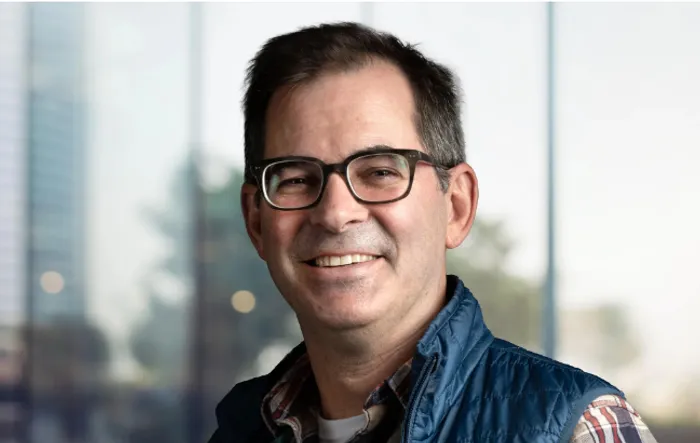
CoreWeave's leadership has not helped matters. CEO Michael Intrator, speaking at a Wall Street Journal event in early November, dismissed bubble fears with optimism: "If you're building something that accelerates the economy and has fundamental value to the world, the world will find ways to finance an enormous amount of business." He cited robust demand from multiple buyers as evidence against overinflation.
Yet, days later, during a quarterly earnings call on November 10, Intrator's remarks sowed confusion. Addressing investor queries on delays, he downplayed them as isolated to "one data center" among 32 in the portfolio, insisting it would "catch up." CFO Nitin Agrawal swiftly corrected him, clarifying that issues affected multiple sites with "one data-center provider," implying broader systemic challenges. Intrator later acknowledged "very frustrating" frustrations for clients and the need to diversify builders.
The inconsistency rattled markets. Shares tumbled 16.3% the next day, closing at $88.39. Intrator repeated the "one data center" line in a CNBC interview with Jim Cramer, only to correct himself again, fueling perceptions of disarray at a time when precision is paramount.
Scrutiny on the Business Model and Dependencies
CoreWeave's model thrives on leverage: amassing debt to acquire Nvidia chips—bolstered by Nvidia's 7% stake in the company—and deploying them rapidly. Backers like Magnetar Capital and Coatue Management have propelled its growth, but critics decry the risks. The firm relies heavily on a few mega-clients; Microsoft alone drove 62% of 2024 revenue, while OpenAI is a top lessee. An exclusivity deal with Nvidia for GPUs creates circular dependencies, raising eyebrows about potential conflicts.
Operating margins hover at a meager 4%, far below the interest rates on much of its debt. Analyst Gil Luria of D.A. Davidson calls it "the ugliest balance sheet in technology," arguing that at its current scale, profitability remains elusive. "The bull case is that they'll scale into it," Luria notes, "but this is a company at scale. There is no scaling going on here."
Broader AI Industry Headwinds
CoreWeave's slide mirrors wider anxieties. Elon Musk's xAI pushes boundaries with its Colossus project in Tennessee, housing 200,000 Nvidia chips, while rivals challenge Nvidia's dominance amid "insatiable demand." However, supply-chain bottlenecks and delayed spending have hit peers: Oracle and Broadcom shares dipped double digits after signaling postponed capex.
OpenAI's admission that profits may not materialize until 2030 amplifies doubts about returns on the trillions pouring into AI. Construction timelines industry-wide are slipping, threatening valuations built on aggressive growth assumptions.
Failed Merger and Financing Pressures
Adding insult to injury, Core Scientific shareholders rejected CoreWeave's $9 billion takeover bid in late October. Hedge fund Two Seas Capital, a major stakeholder in Core Scientific and CoreWeave holder, opposed it vehemently, citing exposure to CoreWeave's volatility and "substantial economic risk." Shares fell over 6% post-collapse.
Financing woes persist. Last week, CoreWeave issued a $2.25 billion convertible bond at lower rates than its usual asset-backed loans, but with dilution risks. Bond market turmoil, sparked by Oracle's capex surge, spiked CoreWeave's default insurance costs to 7.9 percentage points. Two Seas' Sina Toussi praises CoreWeave's operational prowess in maximizing utilization but echoes market wariness on AI's long-term value.
Outlook: Navigating the Storm
As CoreWeave grapples with these tempests, its fate may foretell the AI sector's trajectory. With debt burdens mounting and delays persisting, the company must deliver on promises to restore confidence. Yet, in an ecosystem where innovation outpaces infrastructure, such stumbles could either temper the bubble or burst it outright. Investors, eyeing the horizon, will watch closely—lest this canary's silence signal deeper troubles ahead.

Rodder Shi is a market analyst covering U.S. stocks and prediction markets. He holds a Master’s degree in Financial Engineering from UCLA and dual degrees from UC San Diego, with research experience at CICC and Rayliant. An IAQF quantitative research award winner, he has over six years of equity and options investing experience focused on data-driven and risk-aware market analysis.
Latest Articles
Stay ahead of the market.
Get curated U.S. market news, insights and key dates delivered to your inbox.
AInvest
PRO
AInvest
PRO



Comments
No comments yet