
U.S. Core PPI (MoM) Hits 0.0%—Sector-Specific Investment Positioning Amid Divergent Inflationary Pressures
 Aime Summary
The U.S. Core Producer Price Index (PPI) for November 2025, which excludes volatile food and energy components, unexpectedly stagnated at 0.0% month-over-month (MoM), undershooting forecasts of a 0.2% rise and marking a sharp deceleration from October's 0.3% increase. This outcome reflects a tug-of-war between resilient goods inflation and stabilizing services prices, creating a mosaic of opportunities and risks for investors. By dissecting sector-specific contributions to this stagnation, we can identify strategic entry points in markets where inflationary pressures are either persisting or moderating.
Goods Sector: Energy-Driven Inflation Persists
The core PPI for goods less food and energy rose by 0.2% in November, driven by a 10.5% surge in gasoline prices and a 3.5% annual increase in diesel fuel. Light motor trucks also saw a 1.1% monthly gain, reflecting ongoing supply chain bottlenecks and demand for transportation infrastructure. These trends highlight the energy sector's outsized influence on goods inflation, even as the core PPI explicitly excludes energy.
Investment Implications:
- Energy Producers and Refiners: Companies like Chevron (CVX) and ExxonMobil (XOM) are well-positioned to benefit from sustained high energy prices. However, volatility in gasoline and diesel markets necessitates hedging strategies to mitigate downside risks.
- Automotive Manufacturers: The 1.1% rise in light motor truck prices signals continued demand for commercial vehicles. Investors might consider Tesla (TSLA) or Ford (F) as beneficiaries of this trend, though EV adoption could eventually temper long-term price pressures.
- Data Query:
Services Sector: Stabilization Amid Marginal Declines
Final demand services prices remained flat in November, with trade services margins contracting by 0.8% due to businesses absorbing cost pressures from tariffs. Health, beauty, and optical goods retailing fell by 4.3%, while automobile retailing and guestroom rental indexes also declined. Conversely, bundled wired telecommunications services surged 4.6%, and portfolio management and outpatient care showed modest gains.
Investment Implications:
- Telecommunications and Tech Services: The 4.6% jump in bundled wired telecom access services underscores demand for digital infrastructure. Firms like AT&T (T) or Verizon (VZ) could see sustained growth, particularly as 5G expansion accelerates.
- Healthcare and Retail Caution: Declines in health and optical goods retailing suggest pricing pressures in these sectors. Investors might avoid overexposure to CVS Health (CVS) or Walgreens (WBA) unless valuations reflect discounted growth expectations.
- Data Query:
Divergent Industry Responses: Strategic Positioning
The November PPI data reveals a stark contrast between goods and services sectors. While energy-driven goods inflation remains entrenched, services inflation is stabilizing, with trade and retail sectors absorbing cost shocks. This divergence creates a unique opportunity to overweight sectors with pricing power (e.g., energy, telecom) and underweight those facing margin compression (e.g., retail, health services).
Key Sectors to Watch:
1. Energy and Transportation: Sustained demand for gasoline and diesel suggests continued inflationary tailwinds. Investors should monitor oil price trends and refinery utilization rates for entry points.
2. Telecom and Portfolio Management: These services are gaining traction as digital adoption accelerates. A long-term position in telecom infrastructure firms could hedge against broader economic uncertainty.
3. Automotive and Machinery Wholesaling: The 1.1% rise in light motor trucks and 0.3% gain in machinery wholesaling indicate ongoing industrial activity. However, watch for signs of demand saturation in 2026.
Policy and Market Outlook
The Federal Reserve's inflation monitoring will likely focus on whether goods inflation spills over into services. With core PPI annual inflation at 3.0%, policymakers may delay rate cuts unless services inflation shows further moderation. Investors should prepare for a mixed policy environment, where goods-driven sectors face tighter monetary conditions while services-oriented industries benefit from rate stability.
Final Recommendation:
- Long-Term Investors: Allocate to energy and telecom sectors, which are showing pricing resilience.
- Short-Term Traders: Consider shorting overvalued retail and health services stocks, given their margin vulnerabilities.
- Data Query:
In conclusion, the November 2025 core PPI stagnation underscores the importance of sector-specific analysis in a fragmented inflationary landscape. By capitalizing on divergent industry responses, investors can navigate the current economic climate with precision, balancing exposure to resilient sectors while hedging against those facing structural headwinds.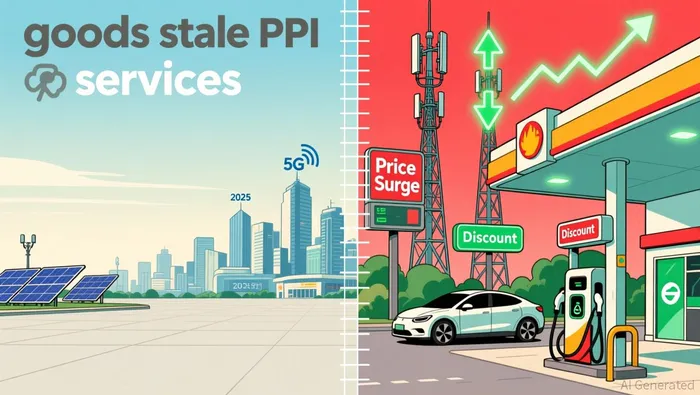

Stay ahead of the market.
Get curated U.S. market news, insights and key dates delivered to your inbox.
AInvest
PRO
AInvest
PRO



Comments
No comments yet