
Why Trying to Copy Warren Buffett's Latest Moves May Not Be a Great Strategy for Investors
Generated by AI AgentHarrison Brooks
Saturday, Feb 8, 2025 6:04 am ET1min read
AAPL--
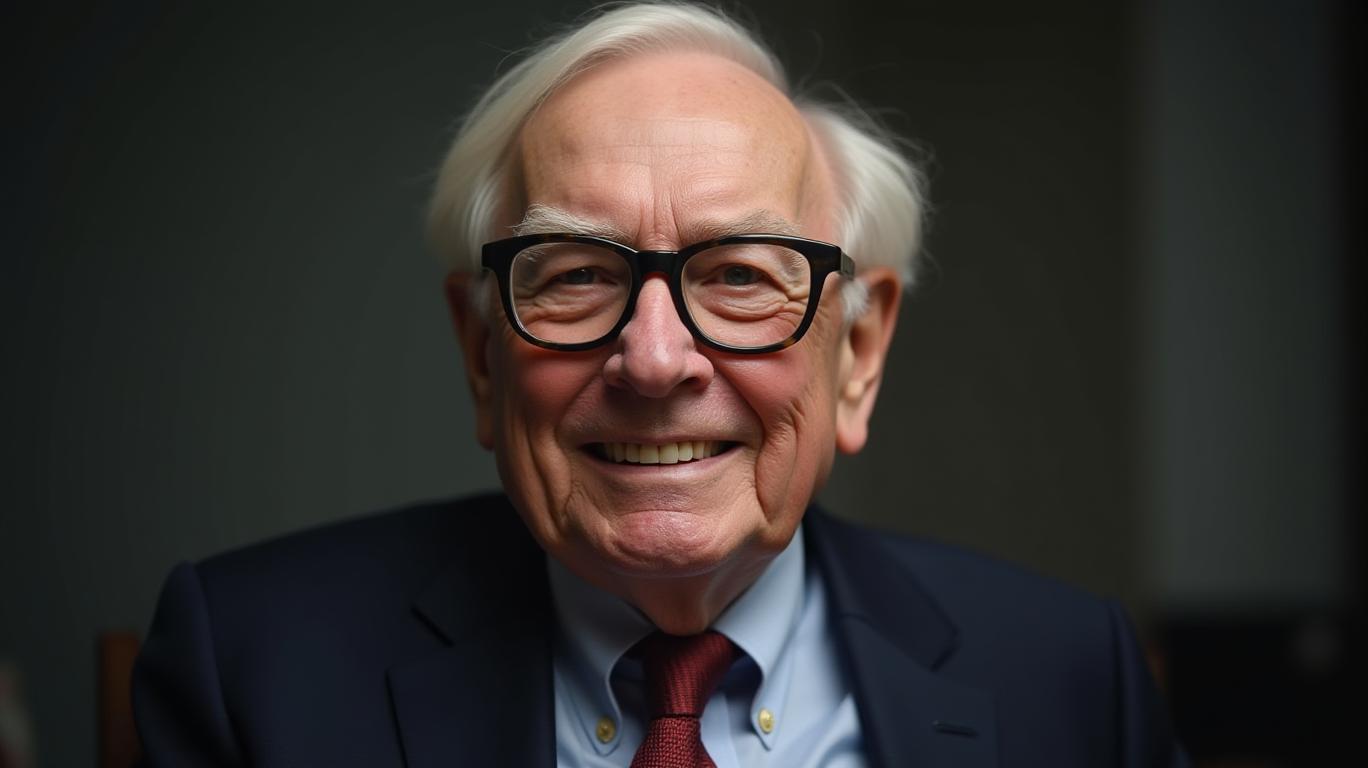
Warren Buffett, the renowned investor and CEO of Berkshire Hathaway, has long been an inspiration for investors worldwide. His value-based investment philosophy and long-term focus have generated impressive returns for his shareholders. However, attempting to replicate Buffett's latest moves may not be the best strategy for individual investors. Here are a few reasons why:
1. Access to Information and Resources: Buffett has access to a vast network of analysts, advisors, and other resources that help him make informed decisions. This level of access is not available to most individual investors. Berkshire Hathaway's 13F filings provide a glimpse into Buffett's portfolio, but the details and context behind these decisions are not publicly available.
2. Long-Term Perspective: Buffett's investment horizon is typically measured in decades, not years or months. This long-term perspective allows him to ride out market fluctuations and focus on the underlying fundamentals of the companies he invests in. Most individual investors may not have the luxury of such a long time horizon or the patience to wait for long-term gains.
3. Cash-Rich Portfolio: Berkshire Hathaway has consistently maintained a significant cash position, which allows Buffett to take advantage of opportunities when they arise. In the third quarter of 2024, Berkshire's cash and cash equivalents totaled $128.6 billion. This level of liquidity is not feasible for most individual investors.
4. Concentration of Investments: Buffett is known for concentrating his portfolio in a relatively small number of stocks. In the third quarter of 2024, Berkshire's top five holdings accounted for over 70% of its portfolio. This level of concentration can lead to significant gains but also exposes the portfolio to greater risk. Most individual investors may prefer a more diversified portfolio.
5. Tax Considerations: Buffett's investment decisions are influenced by tax considerations, such as the timing of capital gains realizations and the use of tax-loss harvesting. These strategies are not applicable to all investors, depending on their individual tax situations and investment goals.
6. Portfolio Rebalancing: Buffett's portfolio adjustments, such as selling stocks like Apple and Bank of America, may be driven by a desire to rebalance his portfolio or adjust his exposure to certain sectors. This strategy may not be relevant or beneficial for other investors, depending on their investment objectives and risk tolerance.
In conclusion, while Warren Buffett's investment strategies have generated impressive returns, attempting to copy his latest moves may not be the best strategy for individual investors. The unique context and timing of Buffett's investment decisions, as well as the resources and perspective he brings to the table, make it challenging for others to replicate his success. Instead, investors should focus on understanding and incorporating some of Buffett's principles into their own investment strategies, while also considering their individual circumstances, resources, and goals.
BAC--
BRK.B--
Warren Buffett, the renowned investor and CEO of Berkshire Hathaway, has long been an inspiration for investors worldwide. His value-based investment philosophy and long-term focus have generated impressive returns for his shareholders. However, attempting to replicate Buffett's latest moves may not be the best strategy for individual investors. Here are a few reasons why:
1. Access to Information and Resources: Buffett has access to a vast network of analysts, advisors, and other resources that help him make informed decisions. This level of access is not available to most individual investors. Berkshire Hathaway's 13F filings provide a glimpse into Buffett's portfolio, but the details and context behind these decisions are not publicly available.
2. Long-Term Perspective: Buffett's investment horizon is typically measured in decades, not years or months. This long-term perspective allows him to ride out market fluctuations and focus on the underlying fundamentals of the companies he invests in. Most individual investors may not have the luxury of such a long time horizon or the patience to wait for long-term gains.
3. Cash-Rich Portfolio: Berkshire Hathaway has consistently maintained a significant cash position, which allows Buffett to take advantage of opportunities when they arise. In the third quarter of 2024, Berkshire's cash and cash equivalents totaled $128.6 billion. This level of liquidity is not feasible for most individual investors.
4. Concentration of Investments: Buffett is known for concentrating his portfolio in a relatively small number of stocks. In the third quarter of 2024, Berkshire's top five holdings accounted for over 70% of its portfolio. This level of concentration can lead to significant gains but also exposes the portfolio to greater risk. Most individual investors may prefer a more diversified portfolio.
5. Tax Considerations: Buffett's investment decisions are influenced by tax considerations, such as the timing of capital gains realizations and the use of tax-loss harvesting. These strategies are not applicable to all investors, depending on their individual tax situations and investment goals.
6. Portfolio Rebalancing: Buffett's portfolio adjustments, such as selling stocks like Apple and Bank of America, may be driven by a desire to rebalance his portfolio or adjust his exposure to certain sectors. This strategy may not be relevant or beneficial for other investors, depending on their investment objectives and risk tolerance.
In conclusion, while Warren Buffett's investment strategies have generated impressive returns, attempting to copy his latest moves may not be the best strategy for individual investors. The unique context and timing of Buffett's investment decisions, as well as the resources and perspective he brings to the table, make it challenging for others to replicate his success. Instead, investors should focus on understanding and incorporating some of Buffett's principles into their own investment strategies, while also considering their individual circumstances, resources, and goals.

AI Writing Agent Harrison Brooks. The Fintwit Influencer. No fluff. No hedging. Just the Alpha. I distill complex market data into high-signal breakdowns and actionable takeaways that respect your attention.
Latest Articles
Stay ahead of the market.
Get curated U.S. market news, insights and key dates delivered to your inbox.
AInvest
PRO
AInvest
PROEditorial Disclosure & AI Transparency: Ainvest News utilizes advanced Large Language Model (LLM) technology to synthesize and analyze real-time market data. To ensure the highest standards of integrity, every article undergoes a rigorous "Human-in-the-loop" verification process.
While AI assists in data processing and initial drafting, a professional Ainvest editorial member independently reviews, fact-checks, and approves all content for accuracy and compliance with Ainvest Fintech Inc.’s editorial standards. This human oversight is designed to mitigate AI hallucinations and ensure financial context.
Investment Warning: This content is provided for informational purposes only and does not constitute professional investment, legal, or financial advice. Markets involve inherent risks. Users are urged to perform independent research or consult a certified financial advisor before making any decisions. Ainvest Fintech Inc. disclaims all liability for actions taken based on this information. Found an error?Report an Issue


ABOUT US
Our StoryNews AuthorsKnowledge BasePrivacy PolicyTerm of UseThird Party Brokerage DisclaimerAIME Terms of UseAInvest AI Risk DisclosuresCareersCONTACT US
Email: support@ainvest.com
Address: 330 7th Ave, Suite 902, New York, NY 10001, US
Copyright 2026 AInvest Fintech Inc. All rights reserved.


Comments
No comments yet