
Copper Tariffs and Trade Tensions: Navigating Volatility in the US Metals Market
The resurgence of protectionist trade policies under the Trump administration has reshaped global commodity markets, with copper emerging as a pivotal battleground. The threatened 50% tariff on imported copper—pending finalization by November 2025—has reignited debates over supply-demand dynamics, geopolitical risks, and the strategic opportunities for investors. This analysis explores how the tariff's structural impact could redefine plays in commodities and downstream industries, offering actionable insights for portfolio diversification.
The Copper Tariff: A Supply Shock in the Making
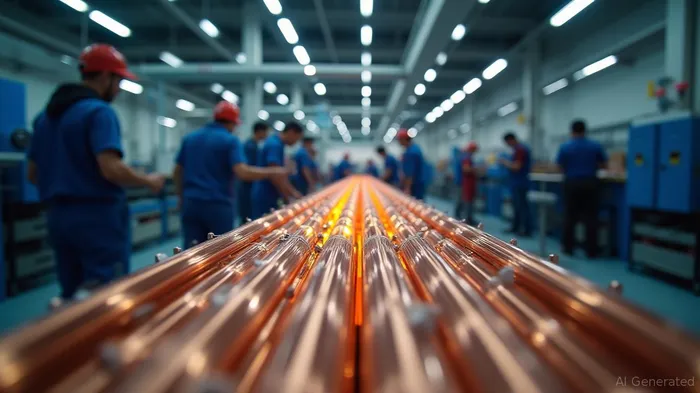
The proposed tariff, rooted in a Section 232 national security review, targets the U.S. reliance on foreign copper imports. With half of domestic copper demand met by imports from Chile, Canada, and Mexico, the tariff could disrupt this balance. Historical precedent suggests immediate market reactions: in 2024, futures prices spiked 17% intraday to $5.95 per pound after a similar tariff threat, foreshadowing the volatility to come.
The chart above reveals how fear of tariffs has already inflated prices. Even without formal implementation, the threat has driven speculative buying, creating a "wait-and-see" premium. Once enacted, the tariff could force a permanent shift: domestic producers may ramp up output, but the timeline for such growth is years—not months. This delay leaves a supply gap, favoring long positions in copper futures or ETFs like CPER (Copper Investment Trust).
Structural Imbalance: Why the Bull Case Holds Water
The U.S. imports $17 billion worth of copper annually, a volume domestic mines cannot replace quickly. Key challenges include:
1. Geographic Concentration: Chile alone supplies 35% of U.S. copper imports. Political instability there (e.g., labor strikes, regulatory shifts) could amplify supply risks.
2. Cost Dynamics: Higher tariffs will increase input costs for manufacturers, but copper's critical role in electronics, EVs, and construction limits substitutes. Buyers may absorb costs, sustaining elevated prices.
Historical Precedent: Steel and Aluminum as a Roadmap
The 2018 Section 232 tariffs on steel (25%) and aluminum (10%) provide a blueprint. While domestic producers like NucorNUE-- and AlcoaAA-- benefited, downstream industries—automakers, construction firms—faced margin squeezes. For example, Ford's 2018 Q2 earnings report cited $1 billion in tariff-related costs. Copper's broader industrial applications suggest similar ripple effects, but its irreplaceable role in high-growth sectors like EVs may insulate demand.
Downstream Manufacturing: Headwinds Ahead
Investors in sectors reliant on copper must proceed with caution. Key risks:
- Automotive: EV batteries require ~8 kg of copper per vehicle, double that of internal combustion engines. Higher costs could pressure automakers like TeslaTSLA-- or GMGM-- to raise prices or cut margins.
- Construction: Rising copper prices for wiring and plumbing could slow housing starts, a key economic indicator.
- Electronics: Semiconductor manufacturers, already grappling with supply chain bottlenecks, may face compounded costs.
Geopolitical Risks: Supply Chains Under Siege
The tariff's timing coincides with heightened geopolitical tensions. For instance:
- Chile's Political Unrest: A major supplier, Chile faces labor disputes and nationalization threats that could disrupt exports.
- Canadian Retaliation: While unlikely, tariffs on U.S. lumber or agricultural goods could escalate trade frictions.
- China's Influence: Beijing's control over 60% of global refined copper production adds another layer of uncertainty.
Investment Strategy: Playing Both Sides of the Tariff
Long Copper Plays:
- CPER ETF: Tracks the price of copper with minimal fees, offering direct exposure.
- Copper Futures (HG): For experienced traders, futures contracts allow leveraged bets on rising prices.
Hedging Downstream Risks:
- Short ETFs: Consider short positions in industrial ETFs like XLI (Industrials Select Sector SPDR Fund) or FXI (China-based manufacturers exposed to copper costs).
- Options Strategies: Use put options on manufacturing stocks to mitigate downside risk.
- Diversification: Pair copper exposure with inverse commodity ETFs (e.g., DBC) to balance portfolio volatility.
Conclusion: A Volatile Dance Between Opportunity and Risk
The copper tariff's delayed implementation has created a uniquely speculative market environment. While the structural imbalance favors long-term bullish bets on copper, the interconnectedness of global supply chains demands vigilance. Investors must weigh the upside of commodity plays against the headwinds facing manufacturers. As tariffs loom, agility—and a diversified approach—will be critical to navigating this metals market crossroads.
Final Note: Monitor the November 2025 Section 232 report closely. A definitive tariff ruling could trigger another price surge, or prompt a geopolitical trade deal that resets expectations.

Stay ahead of the market.
Get curated U.S. market news, insights and key dates delivered to your inbox.






Comments
No comments yet