
Copper Speculation Splits Construction and EV Bets
 Aime Summary
The U.S. CFTC's latest speculative positioning report for copper (as of 09/02/25) reveals a striking divergence in market sentiment between the Building Materials and Automobiles sectors. With non-commercial traders amping up long positions by 4,282 contracts (a 31.2% share of open interest) and commercial short positions retreating, the data signals a potential inflection point in copper's role as a barometer for industrial demand. For investors, this split narrative offers both opportunities and risks across two critical industries.
Bullish Case for Construction-Related Equities
Copper's speculative positioning suggests a near-term tailwind for the Building Materials sector. The 61,044 non-commercial long contracts—up sharply from the previous week—reflect heightened expectations of rising copper prices. Historically, such speculative bets often precede price action, as traders anticipate demand from infrastructure projects, housing starts, or green energy retrofits.
For construction firms, higher copper prices are a double-edged sword. While elevated input costs could pressure margins, they also imply robust demand for building activity. This dynamic creates a unique opportunity for construction-related equities that can pass through costs or benefit from inflation-linked contracts. Consider companies like Lennar (LEN) or D.R. Horton (DHI), which have shown resilience in high-interest-rate environments by leveraging fixed-rate financing and pricing power.
Moreover, the 32.3% share of commercial long positions (held by hedgers like mining firms or utilities) suggests that industry participants are not aggressively shorting the metal. This lack of bearish hedging could indicate a stable or even expanding supply chain, reducing the risk of sudden price spikes that might derail construction projects.
Cautionary Signals for Copper-Dependent Manufacturing
The same speculative positioning data casts a shadow over the Automobiles sector, particularly for electric vehicle (EV) manufacturers. Copper is a critical input for EVs, with each vehicle requiring roughly four times more copper than a traditional internal combustion engine car. The 35,386 non-commercial short contracts—up 4,854 from the prior week—signal growing concerns about near-term price volatility.
For automakers, this volatility poses a direct threat to profit margins. If speculative longs drive prices higher, companies like Tesla (TSLA) or Rivian (RIVN) may face margin compression unless they secure long-term copper supply agreements or pass costs to consumers. The latter strategy risks reducing demand elasticity, especially in a market already grappling with slowing EV adoption rates.
The commercial traders' reduced short positions (down 4,146 contracts) add another layer of complexity. While this could signal a shift toward price stability, it also means hedgers are less prepared for a potential supply shock. A sudden disruption in copper production—say, from labor strikes in Chile or Peru—could trigger a sharp price spike, exacerbating cost pressures for manufacturers.
Strategic Implications for Investors
The CFTC data underscores a key theme: copper is no longer just a commodity—it's a strategic asset shaping industrial competitiveness. For Building Materials, the speculative bullishness aligns with long-term tailwinds from urbanization and decarbonization. Investors should prioritize firms with strong balance sheets and pricing power to navigate input cost inflation.
For Automobiles, the cautionary signals demand a more defensive approach. While EVs remain a growth story, near-term risks from copper volatility could outweigh long-term gains. Investors might consider hedging exposure to copper-dependent manufacturers or favoring firms with vertical integration in critical materials.
In both sectors, the speculative positioning data acts as a forward-looking indicator. The 90.9% long-position share of open interest suggests that the market is pricing in sustained demand, but the 95.2% short-position share warns of potential overleveraging. As always, the key lies in balancing optimism with prudence—a lesson copper's positioning data delivers with clarity.
In conclusion, the CFTC's copper report is a call to action for investors. For construction, it's a green light to capitalize on a materials-driven recovery. For automobiles, it's a reminder that even the brightest innovations can't escape the realities of commodity markets. The copper story is far from over—and it's shaping up to be a defining narrative for 2026.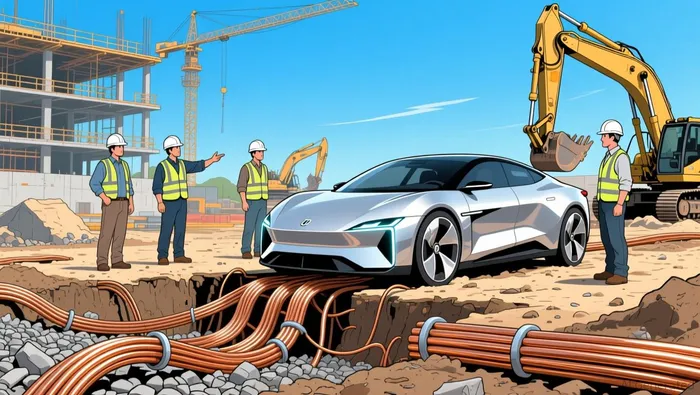

Sumérjase en el mundo de las finanzas mundiales con Epic Events Finance.
Latest Articles
Stay ahead of the market.
Get curated U.S. market news, insights and key dates delivered to your inbox.
AInvest
PRO
AInvest
PRO



Comments
No comments yet