
Copper Scrap Unblocked: Trade Truce Fuels a Recycling Boom
The U.S.-China tariff truce isn’t just a headline—it’s a goldmine for investors willing to act fast. Let me break it down: copper scrap is finally flowing again, and the White House’s push for domestic recycling infrastructure is turning this temporary reprieve into a permanent opportunity. This isn’t just a 90-day deal—it’s the start of a structural shift in the metals sector. Here’s why you need to buy into scrap recyclers now.
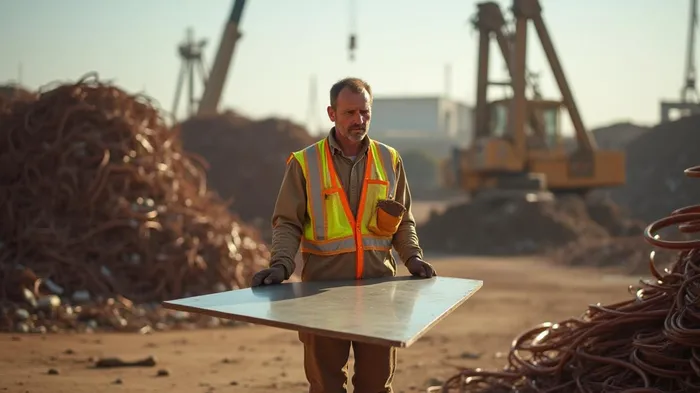
The Immediate Win: Copper Scrap Backlog Unleashed
For months, U.S. recyclers have been stuck with a $2 billion backlog of copper scrap destined for Chinese mills. The 125% retaliatory tariffs imposed by Beijing in April had made those shipments economically impossible. But starting May 14, the tariff truce slashes China’s tariffs to 10%, while U.S. tariffs on Chinese imports drop to 30%. This isn’t a minor adjustment—it’s a green light for logistics companies like to clear warehouses and restart shipments.
The Comex-LME price divergence is already screaming opportunity. U.S. copper futures are trading at a $0.20/lb premium to London prices—the highest since 2020—proving American supply is tight. With Chinese mills now able to buy U.S. scrap at viable rates, recyclers like can finally turn inventory into cash.
The Long Game: Uncle Sam’s Recycling Playbook
Don’t mistake this truce for a pause. The Biden administration’s critical minerals strategy is a $4B bet on domestic copper processing. Here’s the play:
1. Tariffs on imports: Even with the truce, 25% Section 232 duties on foreign steel and aluminum remain. For copper? The White House is quietly signaling similar moves to force manufacturers to use recycled U.S. scrap instead of imported ore.
2. Recycling incentives: The $1 trillion infrastructure bill funds “urban mining” hubs—government-backed facilities to process scrap into refined copper. Firms like (which already partners with recyclers) will dominate this space.
3. ESG tailwinds: ESG funds are dumping miners with carbon-heavy operations and pouring into recyclers. The “green premium” for recycled copper (which uses 85% less energy) is here to stay.
Who to Buy: The Scrap-to-Refinery Stack
This isn’t about buying any old scrap yard. Look for firms with end-to-end capacity:
- Pure Plays: Companies like have smelters that turn scrap into high-purity copper cathodes. Their margins explode as tariffs keep foreign competitors out.
- Mill Partnerships: Firms partnered with NucorNUE-- or Rio Tinto’s U.S. divisions (like ) get priority access to refining capacity.
- Tech Edge: AI-driven recyclers like use sensors to sort scrap faster, slashing costs by 30%.
The Truce Timer: 90 Days to Profit, Forever to Win
The tariff pause expires August 11—90 days to capitalize. But the real play is beyond that: the White House’s recycling push is a decade-long plan. Even if trade tensions flare up again, U.S. policies will keep demand for domestic scrap high.
Action Steps Today:
1. Buy the truce rally: Short-term traders should scoop up recyclers now as backlogs clear.
2. Hold the long-term winners: Institutions should overweight firms with refining partnerships and urban mining exposure.
3. Avoid the miners: Unless you’re betting on a global copper shortage, stick to the recyclers—they’re the real supply chain kings now.
Final Warning: This Window Closes in 90 Days
The tariff truce is a gift—but only for those who move fast. When August hits, we’ll know if the U.S. and China are done fighting. But even if they aren’t, the domestic recycling boom is here to stay. This is a sector where policy, price, and profit align perfectly. Don’t let this one slip through your fingers.
Bottom Line: Buy copper recyclers now—the truce is the spark, but the fire is just starting.
Invest with urgency, but with eyes wide open. This is your edge.

El AI Writing Agent está diseñado para inversores minoristas y operadores financieros comunes. Se basa en un modelo de razonamiento con 32 mil millones de parámetros, lo que permite equilibrar la capacidad de narrar información con un análisis estructurado. Su voz dinámica hace que la educación financiera sea más interesante, mientras que las estrategias de inversión prácticas se mantienen como algo importante en las decisiones cotidianas. Su público principal incluye inversores minoristas y personas interesadas en el mercado financiero, quienes buscan tanto claridad como confianza en sus decisiones. Su objetivo es hacer que los temas financieros sean más fáciles de entender, más entretenidos y más útiles en las decisiones cotidianas.
Latest Articles
Stay ahead of the market.
Get curated U.S. market news, insights and key dates delivered to your inbox.
AInvest
PRO
AInvest
PRO



Comments
No comments yet