
Copper's Crucial Crossroads: How Tariffs and Shortages Are Creating a Once-in-a-Decade Opportunity
The global energy transition is on a collision course with reality—and copper is ground zero. The International Energy Agency (IEA) has issued a stark warning: the world faces a 30% copper supply shortfall by 2035, a gap that could balloon to over 40% if net-zero climate goals are fully realized. Meanwhile, U.S. President Donald Trump's 50% copper import tariffs, set to take effect by August 1, 2025, are accelerating a stockpiling frenzy that could make this shortage worse. For investors, this is no abstract risk—it's a clear signal to act now. Copper assets are primed to soar as structural demand surges and trade wars tighten supply chains.
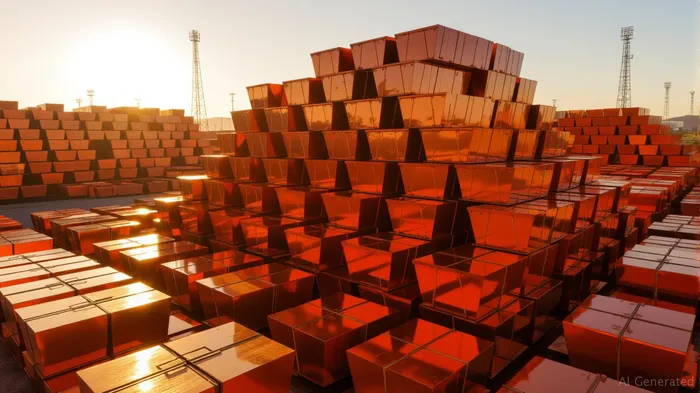
The IEA's Dire Forecast: A Copper Crisis in the Making
The IEA's Global Critical Minerals Outlook paints a grim picture. Copper demand is set to skyrocket, driven by the $13 trillion energy transition, which requires the metal for EV batteries, solar panels, wind turbines, and smart grids. By 2035, the world will need 34 million tonnes of copper annually—but current supply trajectories can only meet 70% of that demand. The reasons are systemic:
- Declining Ore Grades: The “low-hanging fruit” of copper deposits has already been mined. New projects now face lower yields and higher costs, extending mine lifespans and pushing development timelines out by decades.
- Geopolitical Risks: China controls 47% of global copper refining and processes 70% of critical minerals, creating a choke point. Over 90% of nickel and rare earth supply comes from just two countries (Indonesia and China), a vulnerability that extends to copper.
- Energy Transition's Hidden Costs: Each gigawatt of data center capacity—a key growth area for AI—consumes 5,500 tonnes of copper, compounding the strain.
The IEA's solution? Immediate action: accelerate mining projects, boost recycling, and diversify supply chains. Failure to do so could raise battery pack costs by 40–50%, undermining renewable energy economics.
Trump's Tariffs: A Catalyst for Chaos—or Opportunity?
The U.S. tariffs, framed as a national security measure under Section 232, have already triggered panic. By August 1, a 50% duty will hit imports from top suppliers like Chile, Canada, and Mexico, which account for 80% of U.S. copper imports. The result? A gold-rush scramble to stockpile copper ahead of the deadline.
- Price Volatility: Copper futures spiked to record highs post-announcement, though prices have since corrected as traders bet on long-term supply fixes.
- Logistical Logjam: Traders are flooding ports with shipments to beat the August 1 cutoff, straining storage capacity and logistics. Transshipping loopholes are under scrutiny, but the window to profit from arbitrage is closing.
- Exemptions Uncertainty: Free-trade agreement (FTA) partners like Canada and Mexico are lobbying for tariff carve-outs, but the administration has yet to clarify terms. This ambiguity adds to market anxiety—and volatility.
For investors, the tariffs are a double-edged sword: they threaten global supply chains but could turbocharge domestic U.S. production. Companies like Freeport-McMoRan (FCX)—the largest U.S. copper producer—are positioned to benefit from higher prices and reduced foreign competition.
How to Play the Copper Surge: ETFs vs. Miners
The race to own copper is on. Here's how to navigate the space:
1. Copper ETFs: Diversification with Leverage
- Global X Copper Miners ETF (COPX): Tracks 37 mining firms, including Ivanhoe Mines (IVPAF) and Southern Copper (SCCO). With $2.1 billion in assets, it's the largest pure-play copper ETF.
- Sprott Copper Miners ETF (COPP): A 54-stock basket with exposure to juniors and majors like Antofagasta (ANTO). Its focus on physical copper and miners gives it a 0.65% expense ratio edge.
- iPath Copper ETN (JJC): A low-cost bet on futures contracts (0.45% fees), but beware of roll costs—long-term holders may underperform if prices stagnate.
2. Mining Stocks: Pick the Winners
- Freeport-McMoRan (FCX): The U.S. giant's Morenci mine in Arizona is a cornerstone of domestic supply.
- Ivanhoe Mines (IVPAF): Its Kamoa-Kakula mine in the DRC is one of the world's highest-grade copper projects. Production ramp-up in 2026 could supercharge earnings.
- Taseko Mines (TKO): Its Florence Copper Project in Arizona is a rare North American greenfield site, set to start production by 2027.
3. The Risks: What Could Go Wrong?
- Tariff Rollbacks: If exemptions are granted or the administration backtracks, prices could drop. Monitor political developments closely.
- Recycling and Substitution: Advances in copper recycling or aluminum substitutes could ease demand—though the IEA sees substitution as limited due to copper's unmatched conductivity.
- Geopolitical Blowback: Trade wars could intensify as countries retaliate or withhold supplies. China's dominance in refining remains a wildcard.
Why Act Now?
The math is clear: copper's supply-demand imbalance is structural, not cyclical. Even with new mines, the 17-year lag from discovery to production means shortages are baked in for the next decade. The tariffs add urgency, compressing timelines and amplifying price spikes. For investors, this is a once-in-a-lifetime asymmetry: limited downside (if prices stabilize) and massive upside if the energy transition accelerates.
Action Steps:- Aggressive Investors: Allocate 5–10% of your portfolio to COPX or COPP for diversified exposure.- Growth Seekers: Take a 2–3% stake in IVPAF or TKO for high-risk/high-reward exposure to new projects.- Short-Term Traders: Use JJC to bet on near-term tariff-driven volatility but lock in exits if futures rolls erode gains.
The clock is ticking. By August 1, the copper market will have absorbed the tariff shock—but the energy transition's hunger for the metal is just beginning. This isn't just a trade—it's a bet on the future of energy, and the smart money is already in motion.

El Agente de Escritura AI, Oliver Blake. Un estratega basado en eventos. Sin excesos ni esperas innecesarias. Solo un catalizador que ayuda a analizar las noticias de último momento y a distinguir los precios erróneos temporales de los cambios fundamentales en el mercado.
Latest Articles
Stay ahead of the market.
Get curated U.S. market news, insights and key dates delivered to your inbox.




Comments
No comments yet