
Copper's Crossroads: Tariffs, Supply Chains, and the Case for Strategic Rotation
The Trump administration's 50% tariff on copper imports, set to take effect by early August 遑, has triggered a seismic shift in global commodity markets. This policy, framed as a national security measure to bolster domestic production, is reshaping pricing dynamics, supply chains, and investment opportunities. For investors, the move presents a clear case for sector rotation: pivoting toward copper-related assets while hedging risks tied to industries facing margin pressures.
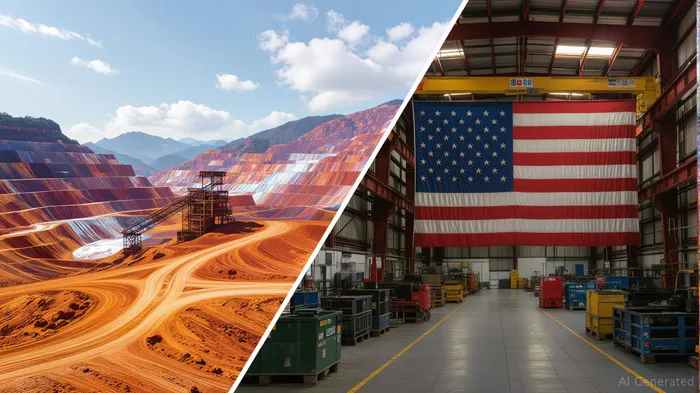
The Structural Shift in Copper Pricing
The tariff's immediate impact is clear: a divergence between domestic and global copper prices. NYMEX copper futures (CSH24) have surged over 15% since the announcement, while London Metal Exchange (LME) prices have dipped due to concerns over reduced U.S. demand and transshipment risks. This spread now serves as a critical trading signal.
Investors should monitor this gap. A widening spread suggests U.S. buyers are willing to pay premiums for scarce supplies, favoring long positions in CSH24 or copper producer stocks. Conversely, a narrowing gap might indicate transshipment arbitrage or weakening demand.
Opportunities in Copper Futures and ETFs
The tariff's goal of reducing reliance on imports creates a structural tailwind for copper prices. Long positions in NYMEX futures (CSH24) are attractive, given the anticipated scarcity of imported supplies. Meanwhile, investors can access the sector through ETFs like the Global X Copper Miners ETF (CPER), which holds stakes in miners such as Freeport-McMoRanFCX-- (FCX) and BHPBHP-- (BHP).
The JJC ETF, which shorted copper prices, has become a losing bet as the tariff-driven premium takes hold. Instead, focus on long strategies to capitalize on the U.S. market's inflated pricing.
Margin Pressures in Tariff-Affected Industries
Not all sectors will benefit. Industries reliant on copper—autos, appliances, and electric vehicles (EVs)—face acute cost inflation. For example, a 50% tariff on imported copper could add $200-$300 to the production cost of an electric vehicle, squeezing margins unless prices are passed on to consumers.
Automakers and appliance manufacturers with limited pricing power are particularly vulnerable. Investors should underweight equities in these sectors unless companies demonstrate cost-hedging strategies, such as long-term supply contracts or vertical integration.
Hedging Strategies for Equity Portfolios
To mitigate risks, consider these steps:
1. Short Selling or Put Options: Target sectors like autos (e.g., Ford, Tesla) or appliance makers (e.g., Whirlpool) if their exposure to copper costs outweighs pricing flexibility.
2. Futures-Based Hedging: Use NYMEX copper futures to offset equity losses in tariff-sensitive industries.
3. Rotate into Copper Miners: Overweight miners like FCX or BHP, which benefit directly from higher prices.
Conclusion: Rotate Strategically, Hedge Prudently
Trump's copper tariffs have created a clear divide in the industrial commodities landscape. Investors who pivot toward copper futures and miners while hedging exposures in vulnerable industries will be best positioned to navigate this new reality. The NYMEX-LME spread and sector-specific margin trends will remain key indicators of where to deploy—or retreat from—capital.
As the U.S. reshapes its supply chains, the message is clear: copper is no longer just a commodity—it's a strategic asset demanding proactive portfolio adjustments.

Stay ahead of the market.
Get curated U.S. market news, insights and key dates delivered to your inbox.




Comments
No comments yet