
COP30 Negotiators Intensify Final Push for Global Climate Accord
 Aime Summary
As the UN Climate Change Conference (COP30) in Belem, Brazil, enters its decisive week, negotiators from across the globe are preparing for the most intense and complex days of the summit. With a global agreement on climate action still out of reach, tensions are rising as competing national priorities come to the forefront. The final days will be critical in determining whether the conference produces a meaningful outcome that reflects the urgency of the climate crisis.
Brazilian President Luiz Inácio Lula da Silva is set to play a pivotal role as he joins the summit to help mediate between nations and build consensus. His presence is expected to add momentum to the negotiations, particularly as he advocates for a “road map for humanity” to move away from fossil fuels and address deforestation. This week’s proceedings will culminate in a final session on Friday, with ministers from multiple countries now in attendance to push for a decisive outcome.
Rising Influence of Developing Nations
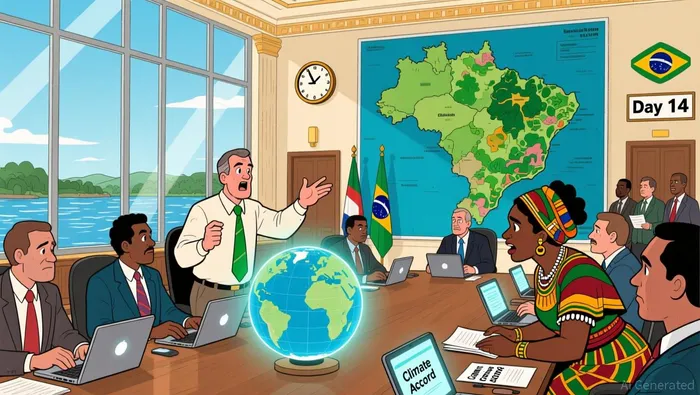
A notable shift in the dynamics of climate negotiations has emerged this year, with developing nations asserting stronger positions. China, India, and others are increasingly vocal in the discussions, emphasizing the need for equitable solutions and financial support. Meanwhile, the EU faces internal challenges, and the absence of the U.S. delegation—highlighted by empty seats during the High-Level Segment—has left a significant gap in the negotiations. This absence underscores the changing landscape of global climate diplomacy, where traditional power structures are being redefined.
Shifting Focus to Ambition and Implementation
Initially, COP30 was intended to be a focused event on implementing previous climate commitments rather than setting new goals. However, the urgency of the climate crisis has led some negotiators to push for more ambitious action. Pressure is mounting to strengthen global climate plans, increase funding for climate adaptation in vulnerable countries, and enforce stricter measures to phase out fossil fuels. The chair of the negotiations, Andre Correa do Lago, acknowledged this shift, stating that the conference may result in a broad, high-level decision text that reflects this increased ambition.
Unmet Climate Goals and the Ambition Gap
Despite the Paris Agreement’s voluntary framework, the world remains far from meeting its climate targets. Only 116 of 193 nations have submitted updated climate plans, and even if all current pledges are fulfilled, global temperatures are still projected to rise by about 1.3 degrees Celsius above pre-industrial levels—well beyond the 1.5-degree target. This “ambition gap” has become a central concern for small island nations and other vulnerable regions, who are urging for stronger commitments during the final days of the summit.
Political Decisions and the Path Forward
The final days of COP30 will see political leaders from around the world making critical decisions on the future of the global climate agreement. With the momentum building in favor of a more ambitious outcome, negotiators are now facing a high-stakes moment. As one observer noted, the middle of the COP is often the most tense, marked by intense negotiations and careful maneuvering. The coming days will test the resolve of all parties as they seek to strike a balance between national interests and global responsibilities.

Sumérjase en el mundo de las finanzas mundiales con Epic Events Finance.
Latest Articles
Stay ahead of the market.
Get curated U.S. market news, insights and key dates delivered to your inbox.






Comments
No comments yet