
COP30 Negotiations Conclude with Compromise on Climate Finance and Fossil Fuel Ambiguity
 Aime Summary
After two weeks of intense and at times chaotic negotiations, the COP30 climate summit in Brazil concluded with a fragile agreement that avoided a complete collapse but failed to deliver a firm commitment on the transition away from fossil fuels. The final deal, reached after the event’s scheduled deadline, reflects the deep divides among nations on how to address the largest source of greenhouse gas emissions globally.
Tensions Over Fossil Fuel Transition Plans
A major point of contention throughout the summit was the absence of a concrete roadmap for moving away from oil, gas, and coal. Despite earlier drafts that included various options for a fossil fuel phaseout, the final agreement issued by the Brazilian presidency omitted all direct references to fossil fuels. This omission was met with strong opposition from over 80 nations, including the EU, UK, and several small island states, who had threatened to walk away from the talks if the deal did not advance the fossil fuel transition commitment set at COP28.
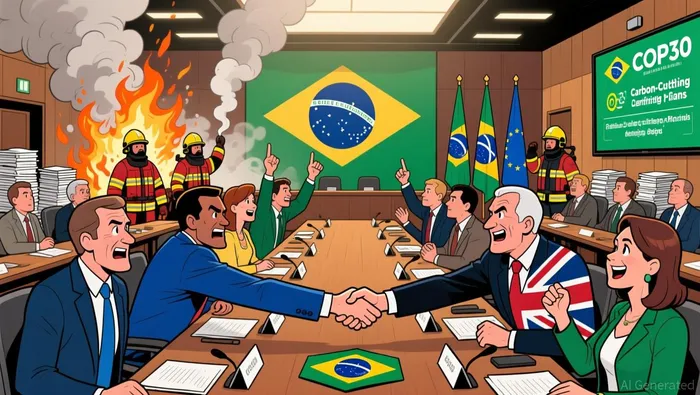
European Union Climate Commissioner Wopke Hoekstra called the final text “unacceptable,” emphasizing that it lacked the necessary direction for phasing out fossil fuels. Colombia’s Environment Minister echoed the sentiment, warning that the deal would not be accepted without stronger language on the topic. The EU and its allies pushed hard for a binding roadmap, but oil-producing countries, including Saudi Arabia and Russia, resisted any language that would signal a global phaseout.
A Fire, an Evacuation, and a Last-Minute Compromise
The negotiations were further complicated when a fire at the summit venue forced an evacuation on Thursday, delaying final discussions. Despite the disruption, negotiators eventually returned to the table and worked through the night to secure an agreement.
The final deal, while not satisfying all parties, does include key elements such as a commitment to triple climate adaptation finance by 2030 from 2025 levels. However, the deal does not specify the source of the funding—whether it will come from developed nations, development banks, or the private sector. This has left many developing countries dissatisfied, as they had called for stronger assurances that public funding would be the primary source for climate adaptation.
A Symbolic but Weak Agreement
In his closing remarks, COP30 President André Corrêa do Lago acknowledged the limitations of the final agreement, stating that the roadmaps for fossil fuel transitions and deforestation would be addressed in the future under Brazil’s continued leadership. However, these roadmaps will not be binding and lack the support of all 195 countries.
The absence of clear fossil fuel language in the agreement has been criticized by climate advocates and several governments. Panama’s negotiator Juan Carlos Monterrey called the omission “complicity,” not neutrality. Others noted that the deal reflects a shift in the balance of power within the climate negotiations, with fossil fuel-producing countries gaining influence over the final text.
Geopolitical Divisions and the Absence of the U.S.
The negotiations also underscored the geopolitical tensions that now shape climate diplomacy. With the United States absent from the talks under the Trump administration—having officially withdrawn from the Paris Agreement—the absence of the world’s largest economy left a power vacuum that several oil-producing nations and emerging economies sought to fill.
COP30 President Corrêa do Lago stressed the importance of maintaining a multilateral approach despite these challenges. “Those who doubt that cooperation is the best way forward for climate are going to be absolutely delighted to see that we cannot reach an agreement between us,” he said.
A Mixed Outcome
While the agreement marks progress in areas such as climate finance and adaptation, it also highlights the difficulty of securing a unified global response to climate change. The EU, UK, and others may take a minor victory in securing some adaptation commitments, but they leave Brazil with the feeling that the global community has not taken a decisive step forward in addressing the root causes of climate change.

Stay ahead of the market.
Get curated U.S. market news, insights and key dates delivered to your inbox.


AInvest
PRO
AInvest
PRO



Comments
No comments yet