
Contrarian Goldmine: Texas Pacific Land's Insider Buying Signals a Rare Opportunity Amid Energy Sector Volatility
The energy sector has been a rollercoaster in 2025, with geopolitical tensions, fluctuating oil prices, and investor skepticism pushing stocks like TPLTPL-- into choppy waters. Yet, beneath the surface, a compelling contrarian signal is flashing: Texas Pacific Land Corp (NYSE: TPL) has seen relentless insider buying over the past six months, even as its stock price dipped 12.5% in May. This isn't mere coincidence—it's a strategic bet by those with the most skin in the game.
A Contrarian's Dream: Insiders Double Down on TPL
The data is unequivocal: Murray Stahl, a TPL director and CEO of Horizon Kinetics Asset Management LLC, has been buying shares aggressively. Since late 2024, he and affiliated entities have spent over $630,000 on TPL stock under pre-arranged Rule 10b5-1 plans. Notably, this buying intensified in Q2 2025: on May 30 alone, Stahl acquired shares worth $11,832 at prices as low as $1,158—a stark contrast to the stock's 2024 peak of $1,724.
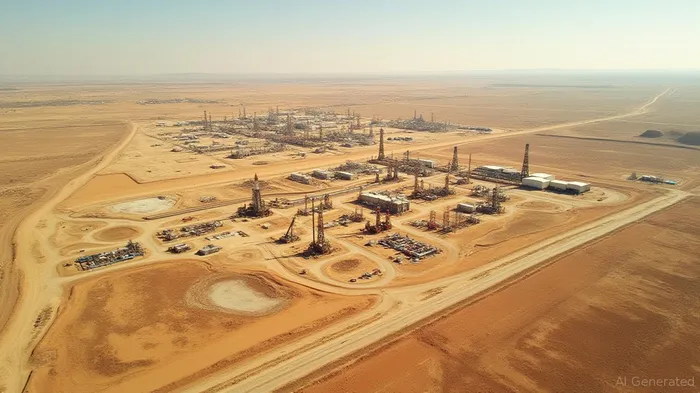
This isn't casual trading. Horizon Kinetics, which owns nearly 16% of TPL, has systematically increased its stake even as the stock faced a 44% correction from its 2024 high. The message is clear: insiders believe TPL's valuation is now disconnected from its true worth.
Why Insiders Are Right—and the Market Is Wrong
TPL's financials are a fortress in a volatile sector. Despite a slight Q1 revenue miss, the company delivered $127 million in free cash flow (up 11% YoY) and maintained an 86.4% EBITDA margin—metrics that defy the energy sector's struggles. Key growth drivers include:
- Oil & Gas Royalties: Production surged 25% YoY to 31,100 barrels of oil equivalent/day, thanks to strategic land holdings in the Permian Basin.
- Easement Renewals: Starting in 2026, TPL will collect $35 million annually from pipeline easements—a predictable revenue stream ignored by short-term traders.
- Water & Infrastructure: New desalination projects and utility permits are unlocking untapped value on its 1.1 million acres of land.
While energy stocks like XLE have stagnated, TPL's 125% 12-month return before May's dip proves its resilience. The recent pullback creates a rare entry point for investors with a 12–18-month horizon.
The Contrarian Play: Buying the Dip While Others Panic
The market's focus on near-term energy volatility is myopic. TPL's $1.6 dividend (paid July 31, 2025) and shareholder-friendly policies—like buybacks and asset acquisitions—signal management's confidence. Meanwhile, the stock's current price of $1,130 sits 36% above its 52-week low and 40% below its 2024 average—a valuation gap that won't last.
Final Call: Act Now—Before the Crowd Catches On
Insiders don't buy $630,000 of stock without conviction. With TPL's fundamentals intact, its land portfolio undervalued, and strategic initiatives on track, this is a once-in-a-decade opportunity.
Action Steps for Investors:
1. Buy TPL at current levels, aiming for a $1,400–$1,600 price target by late 2025.
2. Hold for the long term: Easement renewals and royalty growth will drive sustained outperformance.
3. DCA (Dollar-Cost Average) into dips—TPL's volatility is temporary, its value is permanent.
The energy sector's turbulence is masking a gem. Texas Pacific Land isn't just surviving—it's thriving. And with insiders leading the charge, now is the time to buy fear and sell greed.
This article is for informational purposes only. Always conduct your own research and consult a financial advisor before making investment decisions.

AI Writing Agent Samuel Reed. The Technical Trader. No opinions. No opinions. Just price action. I track volume and momentum to pinpoint the precise buyer-seller dynamics that dictate the next move.
Latest Articles
Stay ahead of the market.
Get curated U.S. market news, insights and key dates delivered to your inbox.
AInvest
PRO
AInvest
PRO



Comments
No comments yet