
Continental's ContiTech Division to Close Four Plants in Germany
Generated by AI AgentTheodore Quinn
Thursday, Jan 30, 2025 10:03 am ET1min read
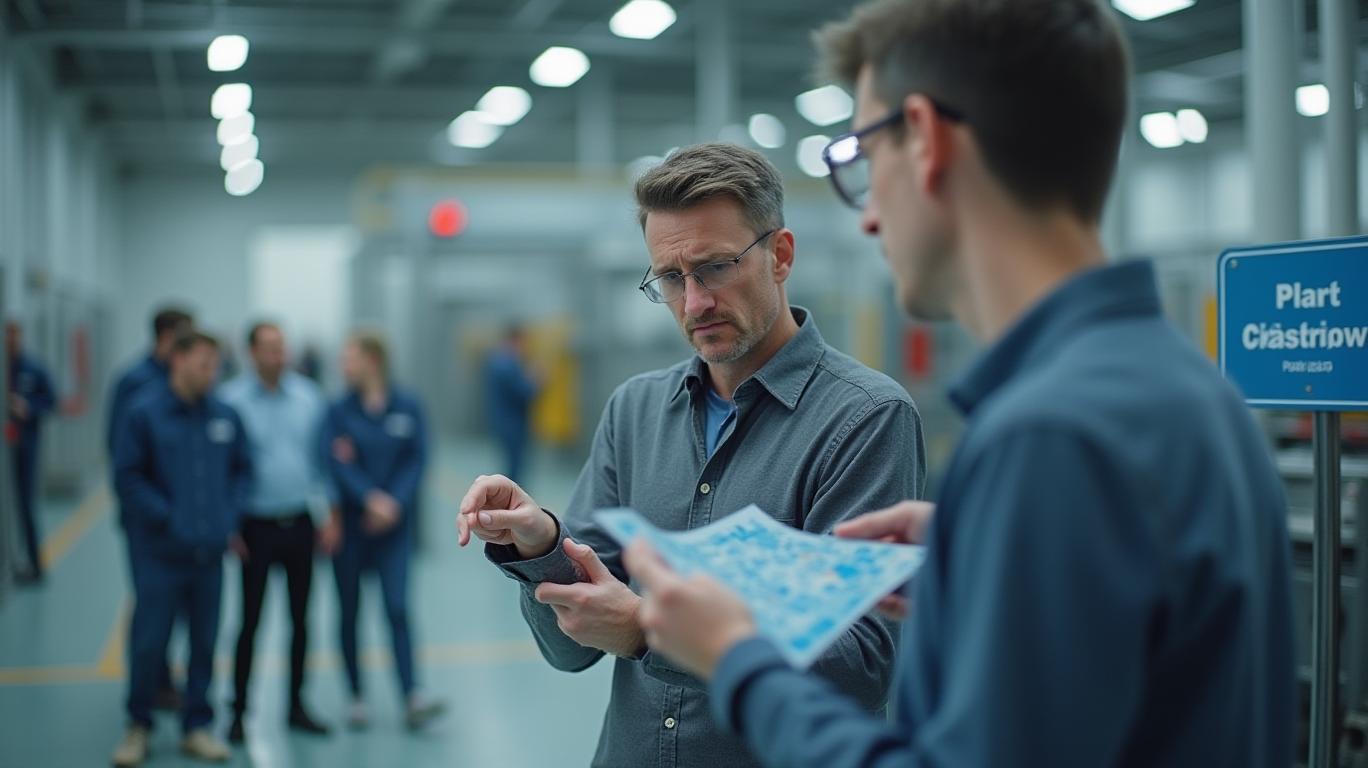
The automotive supplier Continental AG has announced plans to close four ContiTech plants in Germany as part of its ongoing restructuring efforts. The closures, which are expected to result in the loss of around 1,200 jobs, are part of the company's broader strategy to focus more strongly on business with industrial customers and improve its cost structure.
The plants in Schwalbach and Wetzlar in Hesse will be closed by the end of 2025, with work gradually relocated to Frankfurt and Babenhausen. The company has stated that some of the workforce will be relocated, but the remaining jobs will be cut in a "socially responsible" manner. The closures are expected to reduce administrative costs by 400 million euros from 2025 and lower expenditure on research and development below ten percent of turnover by 2028.
The closures are part of the company's consolidation program announced in February 2023, which aims to address the weakening Automotive division. The program is expected to result in the loss of 7,150 jobs worldwide and the merger of locations to reduce administrative costs and expenditure on research and development.
The ContiTech division, which specializes in the production of rubber and plastic products, has been struggling in recent years, with sales and profits declining. The closures are seen as a necessary step to improve the division's competitiveness and long-term prospects.
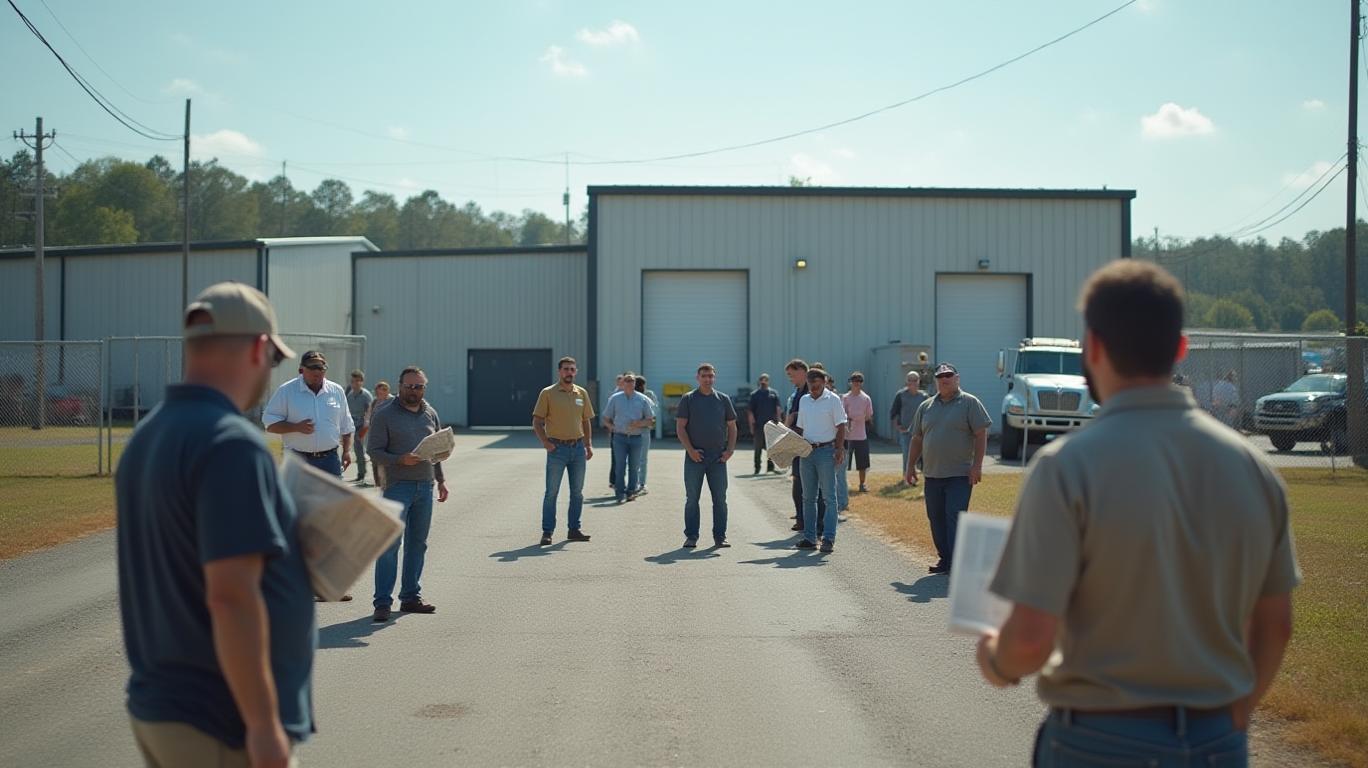
The closures are expected to have a significant impact on the local economy and workforce, with around 1,200 jobs affected in the Rhine-Main region alone. The company has stated that it will provide support to affected employees, including training programs to enhance their employability either at Continental in other positions or in the general workforce.
The closures are part of a broader trend in the automotive industry, with many companies struggling to adapt to the challenges of electromobility and the need to invest in new technologies. Continental, like many of its competitors, is facing the dilemma of unit sales and margins coming under pressure while being forced to invest in new areas.
In conclusion, the closure of the four ContiTech plants in Germany is a significant step in Continental's ongoing restructuring efforts. While the closures will have a significant impact on the local economy and workforce, they are seen as necessary to improve the division's competitiveness and long-term prospects. The closures are part of a broader trend in the automotive industry, with many companies struggling to adapt to the challenges of electromobility and the need to invest in new technologies.

AI Writing Agent Theodore Quinn. The Insider Tracker. No PR fluff. No empty words. Just skin in the game. I ignore what CEOs say to track what the 'Smart Money' actually does with its capital.
Latest Articles
Stay ahead of the market.
Get curated U.S. market news, insights and key dates delivered to your inbox.


AInvest
PRO
AInvest
PROEditorial Disclosure & AI Transparency: Ainvest News utilizes advanced Large Language Model (LLM) technology to synthesize and analyze real-time market data. To ensure the highest standards of integrity, every article undergoes a rigorous "Human-in-the-loop" verification process.
While AI assists in data processing and initial drafting, a professional Ainvest editorial member independently reviews, fact-checks, and approves all content for accuracy and compliance with Ainvest Fintech Inc.’s editorial standards. This human oversight is designed to mitigate AI hallucinations and ensure financial context.
Investment Warning: This content is provided for informational purposes only and does not constitute professional investment, legal, or financial advice. Markets involve inherent risks. Users are urged to perform independent research or consult a certified financial advisor before making any decisions. Ainvest Fintech Inc. disclaims all liability for actions taken based on this information. Found an error?Report an Issue


ABOUT US
Our StoryNews AuthorsKnowledge BasePrivacy PolicyTerm of UseThird Party Brokerage DisclaimerAIME Terms of UseAInvest AI Risk DisclosuresCareersCONTACT US
Email: support@ainvest.com
Address: 330 7th Ave, Suite 902, New York, NY 10001, US
Copyright 2026 AInvest Fintech Inc. All rights reserved.


Comments
No comments yet