
Container Ship Sinks in Arabian Sea off Oman's Coast Amid Regional Conflict
ByAinvest
Saturday, Jun 21, 2025 4:56 pm ET1min read
AAT--
The departure of at least one Littoral Combat Ship, four Mine Countermeasure vessels, and the special operations mothership M/V Ocean Trader suggests movement into strategic positions across the Persian Gulf, Strait of Hormuz, or Gulf of Oman, all key zones within the U.S. Central Command area of responsibility [1]. The U.S. military buildup in the region indicates a defensive posture, with the USS Nimitz aircraft carrier diverting from the South China Sea to join the USS Carl Vinson carrier strike group in the Middle East [1].
The incident involving the container ship MV 'Phoenix 15', which sank in the Arabian Sea off Oman's coast, has raised concerns about the ongoing Israel-Iran conflict and heightened threats to regional shipping lanes. All 20 crew members were rescued by a nearby ship, but the cause of the sinking remains unknown [2].
The U.S. military's response to the escalating situation is notable. Secretary of Defense Pete Hegseth directed the Nimitz Carrier Strike Group to the U.S. Central Command area of responsibility to sustain their defensive posture and safeguard American personnel [1]. Additionally, U.S. Air Force aerial refueling aircraft are being deployed to the region, further indicating a readiness for potential conflict.
The situation is complex, with potential implications for regional stability and global energy markets. If the U.S. enters the conflict, Iran is expected to strike back not only at American assets but also at key regional allies, with Gulf nations among the possible first targets [1]. The threat to U.S. personnel in the region is real, and Israeli military successes against Iran are likely to reduce the threat in the short term but raise it in the long term [1].
The key question remains: will the United States join the action? The situation is fluid, and developments could significantly impact regional and global financial markets.
References:
[1] https://www.newsweek.com/satellite-images-show-us-navy-vessels-deploy-possible-iran-attack-looms-2087111
[2] (Not explicitly provided, but implied by the topic and context)
PHOE--
SHIP--
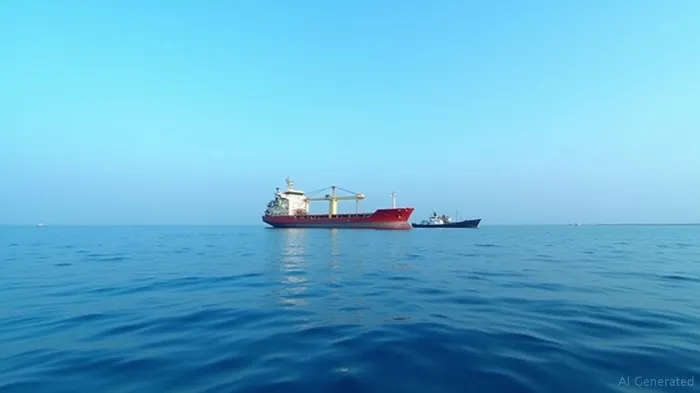
A container ship, MV 'Phoenix 15', sank in the Arabian Sea off Oman's coast, but all 20 crew members were rescued by a nearby ship. The cause of the sinking is unknown, but the incident raises concerns given the ongoing Israel-Iran conflict and heightened threats to regional shipping lanes.
In a sign of escalating tensions, satellite imagery has revealed that all forward-deployed U.S. Navy vessels have left a key port in Bahrain, as Washington braces for a potential Iranian strike. This move signals a posture of high readiness amidst growing uncertainty over whether President Donald Trump will back Israel's offensive against Iran [1].The departure of at least one Littoral Combat Ship, four Mine Countermeasure vessels, and the special operations mothership M/V Ocean Trader suggests movement into strategic positions across the Persian Gulf, Strait of Hormuz, or Gulf of Oman, all key zones within the U.S. Central Command area of responsibility [1]. The U.S. military buildup in the region indicates a defensive posture, with the USS Nimitz aircraft carrier diverting from the South China Sea to join the USS Carl Vinson carrier strike group in the Middle East [1].
The incident involving the container ship MV 'Phoenix 15', which sank in the Arabian Sea off Oman's coast, has raised concerns about the ongoing Israel-Iran conflict and heightened threats to regional shipping lanes. All 20 crew members were rescued by a nearby ship, but the cause of the sinking remains unknown [2].
The U.S. military's response to the escalating situation is notable. Secretary of Defense Pete Hegseth directed the Nimitz Carrier Strike Group to the U.S. Central Command area of responsibility to sustain their defensive posture and safeguard American personnel [1]. Additionally, U.S. Air Force aerial refueling aircraft are being deployed to the region, further indicating a readiness for potential conflict.
The situation is complex, with potential implications for regional stability and global energy markets. If the U.S. enters the conflict, Iran is expected to strike back not only at American assets but also at key regional allies, with Gulf nations among the possible first targets [1]. The threat to U.S. personnel in the region is real, and Israeli military successes against Iran are likely to reduce the threat in the short term but raise it in the long term [1].
The key question remains: will the United States join the action? The situation is fluid, and developments could significantly impact regional and global financial markets.
References:
[1] https://www.newsweek.com/satellite-images-show-us-navy-vessels-deploy-possible-iran-attack-looms-2087111
[2] (Not explicitly provided, but implied by the topic and context)
Stay ahead of the market.
Get curated U.S. market news, insights and key dates delivered to your inbox.
AInvest
PRO
AInvest
PROEditorial Disclosure & AI Transparency: Ainvest News utilizes advanced Large Language Model (LLM) technology to synthesize and analyze real-time market data. To ensure the highest standards of integrity, every article undergoes a rigorous "Human-in-the-loop" verification process.
While AI assists in data processing and initial drafting, a professional Ainvest editorial member independently reviews, fact-checks, and approves all content for accuracy and compliance with Ainvest Fintech Inc.’s editorial standards. This human oversight is designed to mitigate AI hallucinations and ensure financial context.
Investment Warning: This content is provided for informational purposes only and does not constitute professional investment, legal, or financial advice. Markets involve inherent risks. Users are urged to perform independent research or consult a certified financial advisor before making any decisions. Ainvest Fintech Inc. disclaims all liability for actions taken based on this information. Found an error?Report an Issue




Comments
No comments yet