
Consumers Energy’s Stormy Grid: A Buying Opportunity in a Monopolistic Utility?
The recent power outages crippling Michigan’s Consumers Energy customers have reignited debates about the resilience of aging infrastructure in the utility sector. With over 210,000 customers left in the dark this May—due to a deadly storm system and equipment failures—the company faces scrutiny over its preparedness, regulatory compliance, and financial stability. For investors, the question is clear: Does this crisis signal a sell-off in a struggling utility, or a rare buying opportunity in a monopolistic industry with built-in rate-case recovery mechanisms?
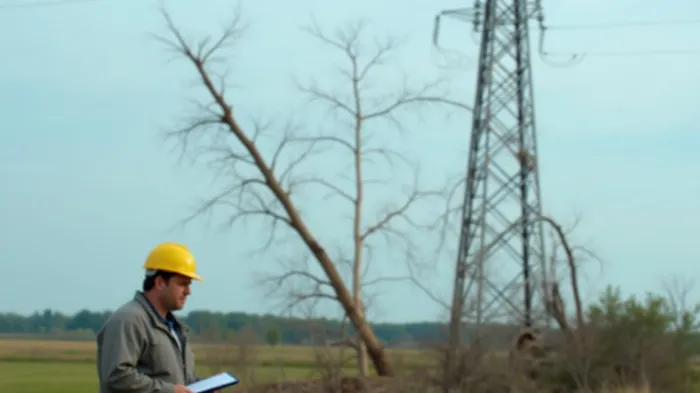
The Outages: A Perfect Storm of Neglect and Climate Stress
On May 16, 2025, a 70-mph windstorm triggered a cascading outage affecting 186,000 customers, while a May 15 equipment failure disrupted service for another 24,000. The root causes are stark: - Climate Stress: The May 16 storm, part of a pattern of worsening extreme weather, overwhelmed grids already strained by aging infrastructure. - Grid Neglect: Audits by Michigan’s Public Service Commission (MPSC) revealed systemic issues, including Consumers’ reliance on vague outage codes like “weather” or “unknown,” masking deeper maintenance failures. - Proactive Measures Falling Short: Despite its Reliability Roadmap, which expanded tree-trimming efforts by 1,000 miles in 2024, the company’s infrastructure proved no match for the storm’s intensity.
The MPSC’s criticism underscores a broader risk: regulatory penalties for non-compliance with grid modernization could add to Consumers’ costs. Yet, the company’s response—deploying 500 crews and emphasizing long-term investments like burying 35 miles of lines—hints at a strategy to rebuild trust.
Regulatory Risks vs. Rate-Case Recovery Potential
Utilities like Consumers Energy operate in a regulated monopoly, allowing them to pass costs to customers via rate hikes approved by state commissions. This creates a critical asymmetry: - Short-Term Pain: Outages may trigger customer backlash (73% of Americans fear rate hikes) and MPSC investigations into whether Consumers adequately addressed known vulnerabilities. - Long-Term Gain: If approved, rate base increases tied to infrastructure upgrades could boost earnings. For example, DTE Energy (a peer in Michigan) recently secured a 9.9% return on equity (ROE) in its rate case—a figure exceeding the industry average of 9.6%.
Consumers Energy’s credit rating remains intact—though specifics are undisclosed—thanks to its regulated cash flows. Compare this to NextEra Energy Partners (NEP), which trades at an EV/EBITDA of 6.98 (vs. Consumers’ likely higher multiple due to risk). Yet, the company’s monopoly status ensures demand, even as storms disrupt service.
Valuation: A Discounted Asset in a Growing Sector?
While precise metrics for Consumers are scarce, its peers offer clues: - DTE Energy trades at a forward P/E of 17.78, aligning with the utility sector’s 17x 2025 average. - NextEra Energy (NEE)’s higher valuation (EV/EBITDA of 17.46) reflects its renewable leadership, but its Zacks Value Grade of D hints at overvaluation.
Consumers Energy’s opaque financial disclosures and recent outages may have depressed its stock, creating a discounted entry point. Its ability to recover costs via rate cases could offset near-term losses, making it a contrarian bet in a sector poised for growth (utilities are projected to grow EPS by 6.7% annually through 2026).
Investor Takeaway: A Buying Opportunity for the Long Game
The recent outages are a short-term shock, but they also highlight Consumers Energy’s strategic advantage: - Monopoly Stability: As a regulated utility, it has a captive customer base and guaranteed revenue streams. - Regulatory Tailwinds: Rate hikes tied to infrastructure upgrades could offset costs from storms and penalties. - Undervalued Metrics: With peers trading at higher multiples and its credit intact, Consumers may be pricing in worst-case risks that don’t materialize.
Act now: Investors seeking a high-dividend, recession-resistant asset with growth potential should consider a position in Consumers Energy. The storms are a setback, but the company’s long-term recovery mechanisms—and its essential role in Michigan’s energy landscape—make this a crisis worth buying.
Risk Warning: Regulatory penalties, customer lawsuits, or further climate-related disruptions could prolong the pain. Monitor MPSC rulings and rate case approvals closely. For aggressive investors, this dip is a lifeline. For others, wait for clearer signals on credit metrics and infrastructure spending outcomes.

Stay ahead of the market.
Get curated U.S. market news, insights and key dates delivered to your inbox.


AInvest
PRO
AInvest
PRO



Comments
No comments yet