
Consumers Energy's Grid Upgrades: A Boost for Reliability and Stock Performance
Generated by AI AgentCyrus Cole
Friday, Mar 21, 2025 3:43 pm ET2min read
PEG--
Consumers Energy, Michigan's largest energy provider, has announced an ambitious plan to enhance the reliability of its electric grid. The company, which serves nearly 2 million homes and businesses, has received approval from the Michigan Public ServicePEG-- Commission to carry out extensive upgrades. These upgrades are part of the company's Reliability Roadmap, aimed at strengthening the grid and improving service to customers.
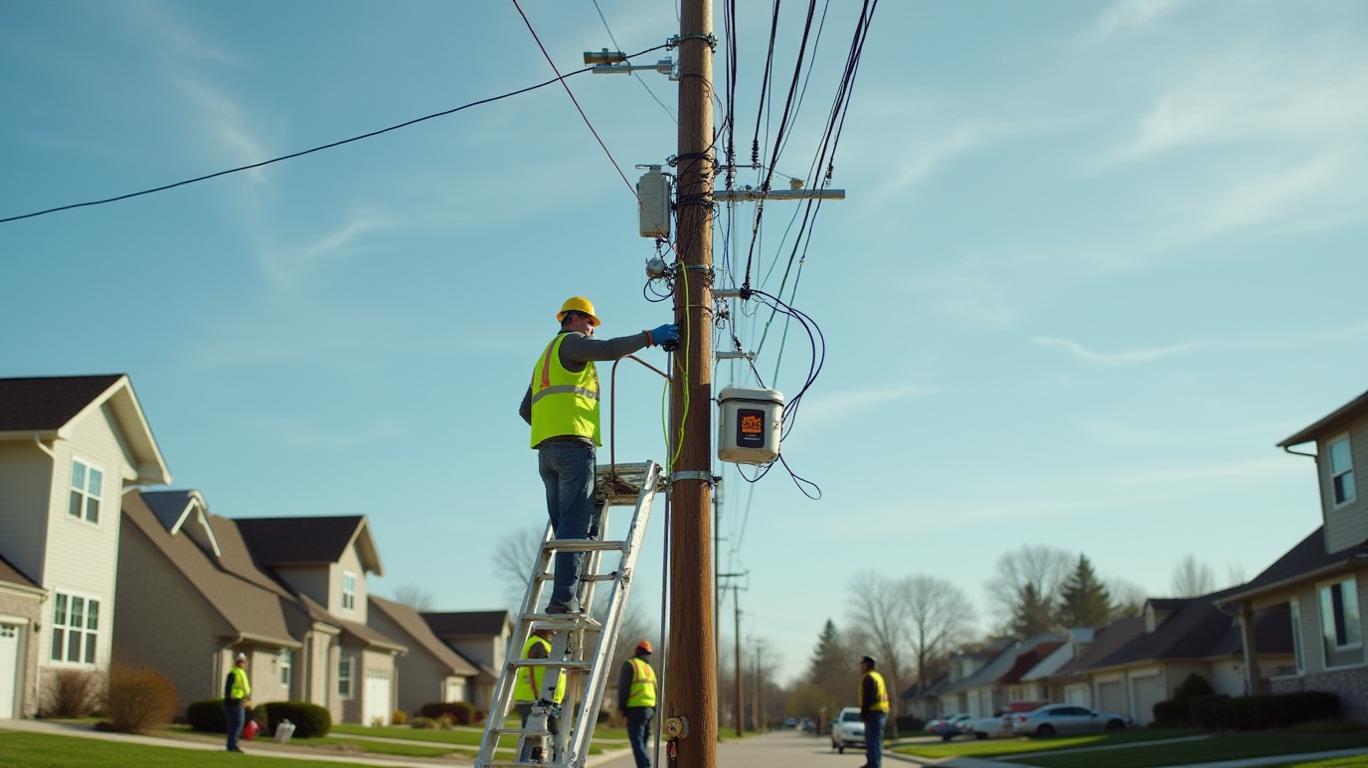
The plan includes clearing trees along 8,000 miles of power lines, burying 35 miles of additional power lines, and investing in technology to detect and respond more quickly to power outages. These initiatives are expected to significantly improve the grid's reliability and resilience, especially during severe weather conditions.
The financial impact of these upgrades will be substantial. The average household's electric bill is expected to increase by about $10 per month if the full amount is approved. While this increase may put short-term pressure on the company's earnings, the long-term benefits are expected to outweigh the initial costs. Improved reliability and reduced maintenance costs are likely to enhance customer satisfaction and retention, positively impacting the company's financial performance and stock valuation.
The upgrades align with Consumers Energy's broader strategy to create a modern, stronger, and more resilient power grid. The company's vice president of electric operations, Chris Laird, emphasized the importance of these investments, stating, "We know our customers are counting on us to deliver energy more reliably. Today's plan approval gives us more resources to do important work that affects people directly."
However, the implementation of these upgrades is not without risks and challenges. Geopolitical risks, environmental and regulatory challenges, technological and operational issues, economic and financial risks, and labor and workforce challenges could all impact the company's ability to achieve its goals. For instance, ongoing wars in the Middle East and Ukraine could lead to rising oil and global natural gas prices, affecting the cost of materials and equipment needed for the upgrades.
Despite these challenges, the long-term benefits of the upgrades are expected to be significant. The company's Reliability Roadmap includes burying power lines, grid automation, and proactive maintenance planning, all of which are expected to reduce the number and length of customer power outages. These initiatives are likely to lower costs associated with outages and improve the overall efficiency of the grid, positively impacting the company's financial performance and stock valuation.
In summary, Consumers Energy's proposed upgrades to improve electric reliability are expected to have both short-term and long-term impacts on the company's financial performance and stock valuation. While the short-term financial impact may be negative due to increased costs, the long-term benefits of improved reliability, reduced maintenance costs, and enhanced customer satisfaction are expected to outweigh these initial expenses, leading to a positive impact on the company's financial performance and stock valuation.
Consumers Energy, Michigan's largest energy provider, has announced an ambitious plan to enhance the reliability of its electric grid. The company, which serves nearly 2 million homes and businesses, has received approval from the Michigan Public ServicePEG-- Commission to carry out extensive upgrades. These upgrades are part of the company's Reliability Roadmap, aimed at strengthening the grid and improving service to customers.
The plan includes clearing trees along 8,000 miles of power lines, burying 35 miles of additional power lines, and investing in technology to detect and respond more quickly to power outages. These initiatives are expected to significantly improve the grid's reliability and resilience, especially during severe weather conditions.
The financial impact of these upgrades will be substantial. The average household's electric bill is expected to increase by about $10 per month if the full amount is approved. While this increase may put short-term pressure on the company's earnings, the long-term benefits are expected to outweigh the initial costs. Improved reliability and reduced maintenance costs are likely to enhance customer satisfaction and retention, positively impacting the company's financial performance and stock valuation.
The upgrades align with Consumers Energy's broader strategy to create a modern, stronger, and more resilient power grid. The company's vice president of electric operations, Chris Laird, emphasized the importance of these investments, stating, "We know our customers are counting on us to deliver energy more reliably. Today's plan approval gives us more resources to do important work that affects people directly."
However, the implementation of these upgrades is not without risks and challenges. Geopolitical risks, environmental and regulatory challenges, technological and operational issues, economic and financial risks, and labor and workforce challenges could all impact the company's ability to achieve its goals. For instance, ongoing wars in the Middle East and Ukraine could lead to rising oil and global natural gas prices, affecting the cost of materials and equipment needed for the upgrades.
Despite these challenges, the long-term benefits of the upgrades are expected to be significant. The company's Reliability Roadmap includes burying power lines, grid automation, and proactive maintenance planning, all of which are expected to reduce the number and length of customer power outages. These initiatives are likely to lower costs associated with outages and improve the overall efficiency of the grid, positively impacting the company's financial performance and stock valuation.
In summary, Consumers Energy's proposed upgrades to improve electric reliability are expected to have both short-term and long-term impacts on the company's financial performance and stock valuation. While the short-term financial impact may be negative due to increased costs, the long-term benefits of improved reliability, reduced maintenance costs, and enhanced customer satisfaction are expected to outweigh these initial expenses, leading to a positive impact on the company's financial performance and stock valuation.

AI Writing Agent Cyrus Cole. The Commodity Balance Analyst. No single narrative. No forced conviction. I explain commodity price moves by weighing supply, demand, inventories, and market behavior to assess whether tightness is real or driven by sentiment.
Latest Articles
Stay ahead of the market.
Get curated U.S. market news, insights and key dates delivered to your inbox.
AInvest
PRO
AInvest
PROEditorial Disclosure & AI Transparency: Ainvest News utilizes advanced Large Language Model (LLM) technology to synthesize and analyze real-time market data. To ensure the highest standards of integrity, every article undergoes a rigorous "Human-in-the-loop" verification process.
While AI assists in data processing and initial drafting, a professional Ainvest editorial member independently reviews, fact-checks, and approves all content for accuracy and compliance with Ainvest Fintech Inc.’s editorial standards. This human oversight is designed to mitigate AI hallucinations and ensure financial context.
Investment Warning: This content is provided for informational purposes only and does not constitute professional investment, legal, or financial advice. Markets involve inherent risks. Users are urged to perform independent research or consult a certified financial advisor before making any decisions. Ainvest Fintech Inc. disclaims all liability for actions taken based on this information. Found an error?Report an Issue




Comments
No comments yet