
Consumer Safety Crises and Retail Supply Chains: What the 2025 Shredded Cheese Recall Means for Investors


 Aime Summary
The Recall and Immediate Responses
The U.S. Food and Drug Administration (FDA) escalated the recall to a "Class I" classification on December 1, 2025, indicating that the affected products "may cause temporary or medically reversible adverse health consequences" such as dental damage or internal lacerations according to FDA guidelines. The recall, initiated by Great Lakes Cheese Co., spanned 31 U.S. states and Puerto Rico, impacting brands like Aldi's Happy Farms, Walmart's Great Value, and Target's Good & Gather as reported. While no illnesses were reported, the FDA emphasized the need for swift action, urging consumers to discard or return the products.
Retailers responded with standard protocols: WalmartWMT-- and Target issued store-wide removals, while Aldi leveraged its "pull-from-sale" alert system to expedite product recalls according to corporate statements. These actions reflect a broader industry trend of prioritizing speed and transparency in crisis management, though the incident exposed vulnerabilities in supplier oversight.
Brand Trust and Investor Sentiment
Consumer safety crises like this recall can erode brand trust, particularly for private-label products, which are often marketed as cost-effective alternatives to premium brands. For Walmart, Target, and Aldi, the recall risked associating their private-label offerings with quality concerns. However, the absence of reported injuries and the retailers' swift responses likely mitigated long-term reputational damage as detailed in the report.
Investor confidence, meanwhile, faced a more nuanced challenge. While the provided data lacks granular stock price volatility metrics for Q4 2025, broader retail sector trends suggest mixed signals. Target's shares, for instance, experienced volatility in December 2025, partly due to broader economic pressures like inflation and shifting consumer spending patterns. Walmart's stock, conversely, showed resilience, . Aldi, though less transparent about its financial impact, has historically demonstrated agility in managing recalls, which may have cushioned investor concerns.
Supply Chain Mitigation and Retail Resilience
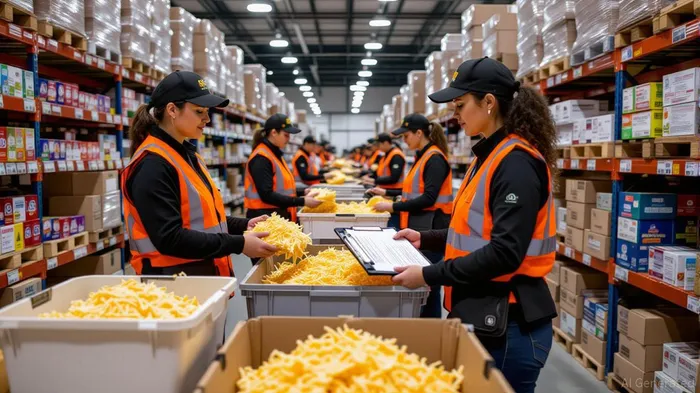 The recall highlights the critical role of supply chain risk management in retail resilience. Aldi's proactive approach-such as its supplier collaboration and rapid alert systems- offers a blueprint for minimizing disruptions. The company's ability to isolate contaminated raw materials and execute recalls efficiently underscores the value of vertical integration and supplier audits.
For Walmart and Target, the incident likely accelerated investments in supplier diversification and quality control. Walmart's recent leadership changes, as CEO, signal a strategic focus on operational efficiency and customer trust. Target, meanwhile, has faced broader challenges in balancing price competition with margin pressures, a dynamic that could amplify the recall's impact on its supply chain strategies as reported.
Implications for Investors
Investors must weigh two key factors when assessing the long-term implications of such recalls:
1. Short-Term Volatility vs. Long-Term Resilience: While recalls can trigger immediate stock fluctuations, retailers with robust crisis management frameworks-like Aldi-demonstrate greater capacity to recover. The absence of reported illnesses in this case likely limited the recall's financial fallout.
2. Supply Chain Transparency: Companies that prioritize supplier audits, traceability, and rapid response mechanisms are better positioned to mitigate risks. Aldi's "pull-from-sale" system, for instance, reduces the time between recall initiation and product removal, minimizing consumer exposure and regulatory backlash.
The 2025 cheese recall also underscores the growing importance of ESG (Environmental, Social, and Governance) considerations. Retailers that proactively address supply chain risks-through partnerships with certified suppliers or advanced quality control technologies- may attract investors seeking resilient, ethically managed portfolios.
Conclusion
The shredded cheese recall of 2025 serves as a case study in the interplay between consumer safety, supply chain vulnerabilities, and investor confidence. For big-box retailers, the incident reinforces the need for agile, transparent supply chains and swift crisis communication. Investors, in turn, should prioritize companies that demonstrate not only operational efficiency but also a commitment to mitigating systemic risks through innovation and supplier accountability. In an era where a single recall can ripple across markets, resilience is no longer optional-it is a competitive imperative.

Delivering real-time insights and analysis on emerging financial trends and market movements.
Latest Articles
Stay ahead of the market.
Get curated U.S. market news, insights and key dates delivered to your inbox.
AInvest
PRO
AInvest
PRO



Comments
No comments yet