
Consumer Safety Crises in Food Retail: Implications for Investor Risk Assessment in Grocery Chains


 Aime Summary
Operational Risk Exposure: Scale and Logistical Challenges
The recall, initiated by Great Lakes Cheese Co. , exemplifies the systemic risks of large-scale product failures. of low-moisture part-skim mozzarella, Italian-style blends, and other cheese products were pulled from shelves, . Retailers faced immediate logistical hurdles, including removing products from inventory, processing returns, and managing consumer refunds for both unopened and opened packages according to retail sources. , as reported by industry analysts.
For investors, this incident underscores the fragility of supply chains reliant on third-party manufacturers. The centralized production model, while efficient, leaves retailers vulnerable to cascading disruptions when a single supplier fails. According to a Bloomberg report, .
Brand Resilience: Reputation and Consumer Trust
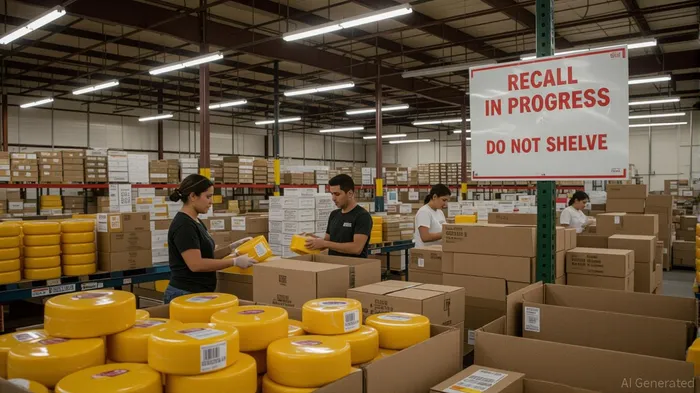 The recall tested the brand resilience of affected retailers. Walmart's Great Value, Target's Good & Gather, and Aldi's Happy Farms brands, all implicated in the recall, faced reputational damage despite no reported injuries. Consumer trust, a critical asset for grocery chains, was strained as shoppers scrutinized product safety. A Reuters analysis noted that private-label brands, while cost-effective, often lack the brand equity of national labels, making them more susceptible to recall-related backlash.
Retailers mitigated risks through swift communication and refund policies, but the incident exposed gaps in crisis preparedness. For instance, Publix's response included public apologies and enhanced shelf-checking protocols, reflecting a proactive approach to brand preservation as reported by company statements. Investors must evaluate how companies balance cost efficiency with brand protection, particularly in an era where social media amplifies consumer sentiment.
Stock Volatility and Investor Risk
While specific stock price data for the affected retailers post-recall remains unavailable, historical precedents suggest that such crises can trigger short-term volatility. A 2023 J.P. Morgan study , . The absence of reported injuries in this case may have cushioned the market impact, .
Investors should also consider indirect costs, such as increased insurance premiums. Supply chain insurance, already a rising expense for retailers, may become more costly post-recall as insurers reassess risk profiles. A report by Allstate highlighted , compounding operational pressures.
Long-Term Investment Strategies
For the food retail sector, . . Additionally, as reported by .
Investors should also favor firms with robust crisis management frameworks. For example, Target's post-recall collaboration . Conversely, .
Conclusion
The 2025 cheese recall serves as a cautionary tale for investors. , . In an industry where consumer trust is paramount, companies must prioritize resilience over cost-cutting. For investors, the lesson is clear: diversification, transparency, .

Delivering real-time insights and analysis on emerging financial trends and market movements.
Latest Articles
Stay ahead of the market.
Get curated U.S. market news, insights and key dates delivered to your inbox.
AInvest
PRO
AInvest
PRO



Comments
No comments yet